Inflation dropped to 2.6 per cent in June as lower transport and grocery costs helped ease pressure on household budgets
UK inflation has fallen to its lowest level since the end of 2024, according to fresh figures published by the Office for National Statistics (ONS).
The Consumer Prices Index (CPI) recorded an annual inflation rate of 2.6 per cent in June 2026, down from 2.8 per cent in May.
The rate has not been this low since December 2024, when inflation stood at 2.5 per cent.
Cheaper transport costs and easing food prices were the biggest factors behind the fall in the headline rate.
Newly appointed Chancellor John Healey said: “Falling inflation is news families want to hear but there is much more to do to give people the breathing space they need.
“That is why yesterday we cut VAT on electricity bills and today we’re announcing a £2 cap on bus fares from January.
“We have chosen to focus on the cost of living in our first week, signalling that concern for working people will be at the heart of everything we do.
“Both these changes are a win-win. They help keep inflation down while helping people afford the essentials.”
On a monthly basis, CPI increased by just 0.1 per cent in June, compared with a 0.3 per cent rise during the same month last year.
The figures will be closely watched by policymakers as CPI is the Government's benchmark measure for its inflation target.
The broader CPIH measure, which includes owner-occupier housing costs, also eased to 2.8 per cent in June from 3.0 per cent in May.
Falling fuel prices were the single biggest contributor to the slowdown in inflation.
Grant Fitzner, chief economist at the ONS, said: "A fall in motor fuel prices, particularly diesel, helped ease inflation in June.
"Food prices fell this month, driven by products including chocolate, margarine and beef.
"Clothing prices also fell with the start of summer sales, with bigger discounts than last year."
Reacting to the figures, Harriet Guevara, Chief Savings Officer at Nottingham Building Society, said: “While inflation has fallen to 2.6 per cent this month, relief for households is likely to be short-lived.
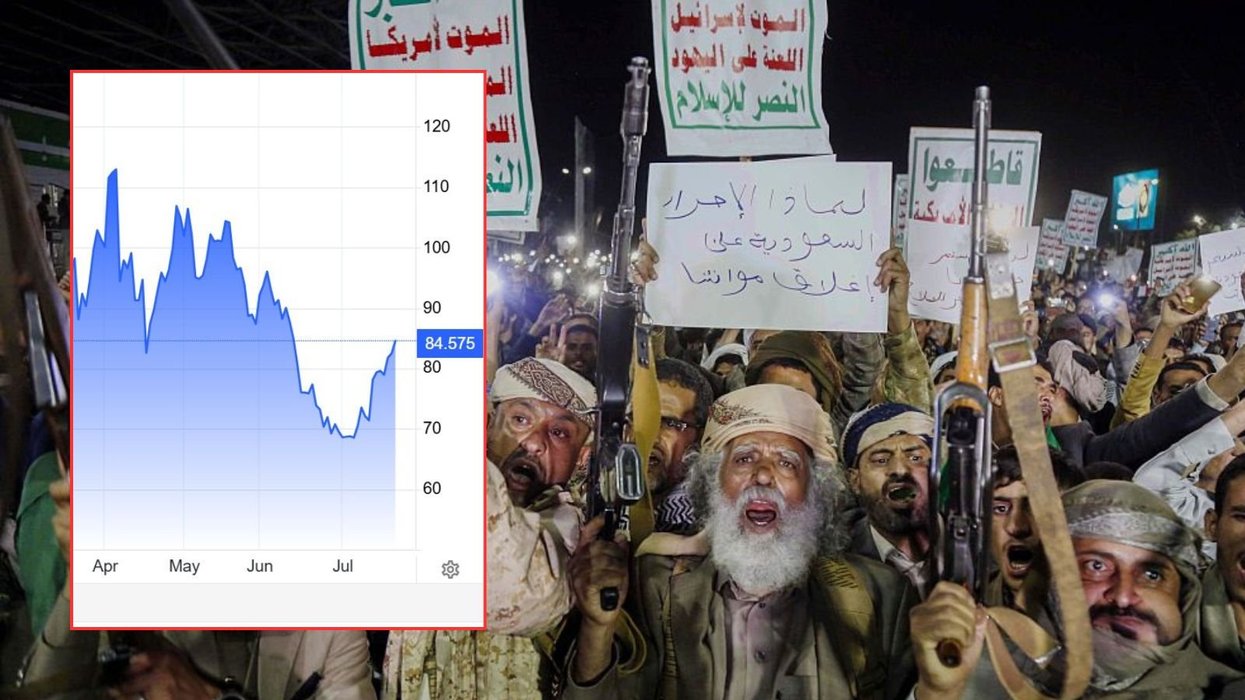
"The drop in fuel prices following a US-Iran ceasefire is likely to be more than offset by the 13 per cent increase in the energy price cap at the start of July, making a rise in inflation next month a distinct possibility.
"And with inflation set to remain well above the Bank of England's two per cent target for the rest of the year, the message to households is to ensure their savings are working as hard as they can be."
She added: “For anyone with savings in a low-interest account, or an older product they have not reviewed recently, now is the time to shop around."