The Federal Reserve kept interest rates unchanged despite a rare three-way dissent from policymakers
The Federal Reserve held American interest rates steady this evening, extending its pause for a fifth consecutive meeting and maintaining borrowing costs at their current level.
The US central bank voted to keep its benchmark rate at 3.5 to 3.75 per cent, the range first set in December.
The widely expected decision exposed divisions among policymakers, with the vote splitting 9–3, and three dissenting members backing a modest rate increase instead of holding steady.
Speculation had mounted ahead of the announcement that the Fed might raise rates, as escalating tensions between Washington and Tehran pushed global oil and food prices higher.
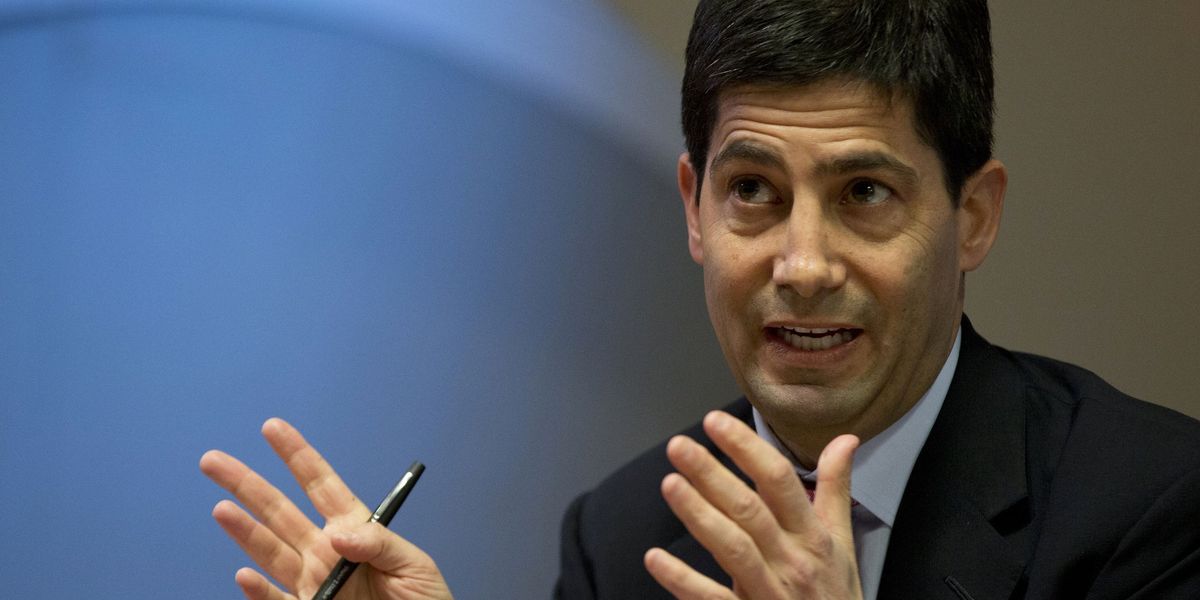
But chairman Kevin Warsh opted to keep policy unchanged, signalling that caution had prevailed over calls for tighter monetary policy.
Inflation eased to 3.5 per cent in the year to June but remains well above the Fed’s two per cent target, which has been exceeded for more than five years.
The central bank said inflation remained “elevated”, partly due to rising energy costs.
The conflict in the Middle East continues to cloud the outlook.
Brent crude climbed more than six per cent on Wednesday to above $89 a barrel, fuelling concerns that higher energy prices could place renewed upward pressure on inflation in the coming months.
Despite those risks, the Fed said the US economy continued to expand at a “solid pace”, though it acknowledged uncertainty over how the conflict could affect global energy markets and future price growth.
Mr Warsh, just eight‑and‑a‑half weeks into his tenure after being appointed by President Donald Trump in May, rejected suggestions that the Fed should have acted more aggressively.
“We are on the job, we will deliver, we are focused like a laser on making sure we can do it,” he said.
“But the suggestion we are going to be able to wave with our magic wand is one I want to disabuse you and everyone else of.”
He acknowledged frustration among households and businesses facing persistently high prices and said he had encouraged vigorous debate before the committee reached its decision.
“There was a large majority support for the decision that we made in the room.”
The decision comes against a politically sensitive backdrop.
President Trump repeatedly urged former Fed chairman Jerome Powell to cut interest rates and has made clear he expects lower borrowing costs under Mr Warsh’s leadership.
Mr Warsh has consistently defended the central bank’s independence, saying his goal is “for there to be no politics” in monetary policy.
He has previously told Congress the Fed has “no tolerance to persistently elevated inflation” and remains committed to “restoring price stability”.
With the US mid‑term elections fewer than 100 days away, the outlook for inflation and interest rates is under heightened scrutiny.
Richard Flynn, managing director at Charles Schwab UK, said energy prices would remain the key factor influencing the Fed’s next move because of the conflict involving Iran.
“We expect the Fed to hold through year end even as futures markets flirt with pricing in a hike,” he said.
Richard Carter, head of fixed interest research at Quilter Cheviot, said the White House would be watching closely.
“The president will want to deliver positive news on the economy,” he said. “Inflation continuing to remain elevated and the looming potential for rate hikes certainly makes that narrative difficult to achieve.”
For American households, the extended period of elevated borrowing costs is likely to keep mortgage, loan and credit‑card repayments higher, although savers may continue to benefit from stronger returns on deposits.