Evoke's adjusted earnings fell by a tenth after higher UK gaming duties added £46million to its costs in the first half of 2026
William Hill owner Evoke has revealed a £46million hit from higher gaming taxes, sending adjusted earnings down by a tenth in the first half of 2026.
The London-listed gambling group reported adjusted earnings of £150.2million for the six months ending June 30, down from the same period a year earlier.
Evoke is now preparing for a £243.1million takeover by Greek betting group Bally's Intralot, with the deal valuing the company at 52p per share.
The transaction was agreed two months ago after both companies highlighted rising UK gambling taxes and increased competition as an opportunity for consolidation within the sector.
Evoke said the increase in gaming duties had been the most significant change affecting its performance across its key markets.
The higher tax burden was principally driven by the Government's decision to increase remote gaming duty from 21 per cent to 40 per cent from April.
Around two-thirds of Evoke's revenue comes from the UK, leaving the company particularly exposed to the increase.
Former Chancellor Rachel Reeves announced the higher duty as part of last autumn's Budget, alongside plans for a new tax on online sports betting.
A 25 per cent levy on online sports betting is due to come into effect from 2027, covering all sports except horse racing.
Evoke has previously warned that the combined impact of the measures could increase its annual gaming duty costs by as much as £135million from next year onwards.
The company said the increase in gambling taxes across its main markets, particularly Britain, as well as Romania and Italy, had significantly affected its performance.
Chief executive Per Widerström said the first half reflected "the resilience of the business in a significantly more challenging operating environment following substantial increases in gaming duties."
Evoke has responded to the higher costs by cutting its retail estate and reducing spending as part of a wider cost-reduction programme.
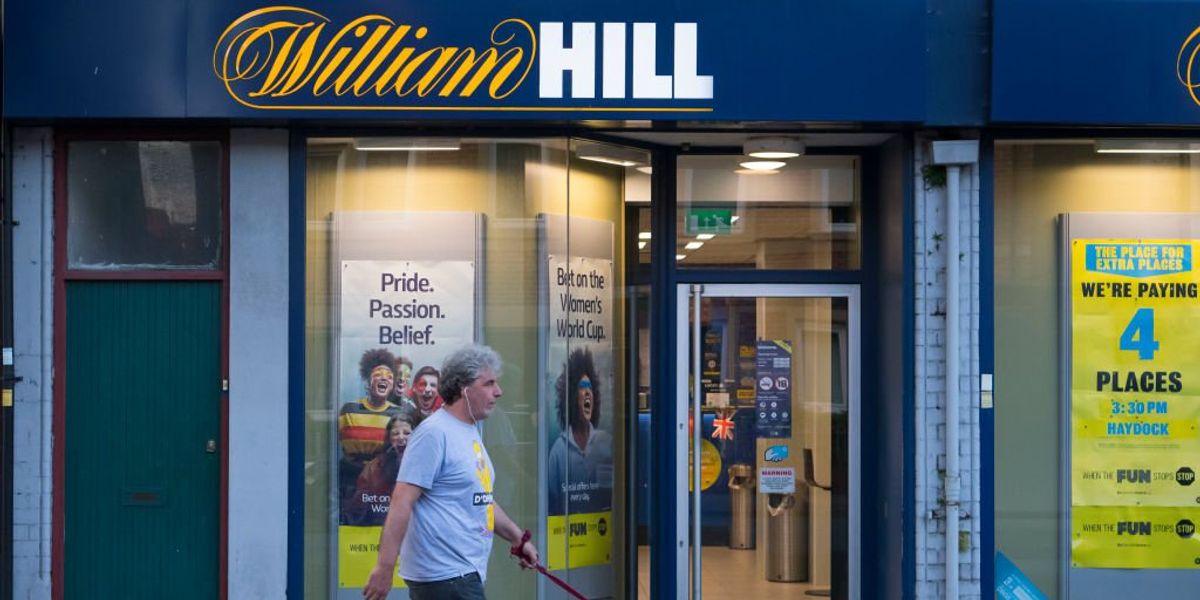
The company closed around 200 betting shops in May, contributing to a 21.4 per cent year-on-year reduction in its retail estate across Britain and Ireland.
The number of outlets fell from 1,302 to 1,024 during the period.
Despite the reduction in its retail footprint, group revenue remained broadly stable at £887.5million.
Excluding the approximately 270 shops closed since the comparable period, Evoke said turnover increased by two per cent.
Like-for-like retail revenue increased by four per cent during the six months.
However, total high street revenue in Britain and Ireland fell by 2.6 per cent to £245.6million as a result of the store closures.
Online revenue increased by four per cent, while William Hill drove a seven per cent increase in gaming revenue.
The 888 brand, however, performed less strongly during the period.
Evoke said it had offset more than half of the increase in gaming duties through lower but more targeted marketing expenditure, improved promotional efficiency and operational savings.
The group's pre-tax loss increased to £80million, compared with £77.7million during the corresponding period last year.
Its reported post-tax loss was £70.2million, which was broadly unchanged from the previous year.
Net debt has risen to almost £1.9billion, while leverage increased to 5.6 times.
The figures underline the importance of completing the proposed acquisition by Bally's Intralot, which is expected to close during the final quarter of 2026 or early 2027.
Mark Crouch, an analyst at eToro, said: "Revenue has held firm despite a much smaller retail estate, William Hill continues to perform well, and management has offset more than half of a punishing £46million increase in gaming duties through cost and marketing efficiencies.
"But time is hardly on Evoke's side. Net debt is approaching £1.9billion, leverage has climbed to 5.6 times, and higher gaming taxes are making an already difficult turnaround considerably tougher."
Shares in Evoke rose 0.88 per cent to 45.90p on Wednesday morning.
The company's shares have fallen by more than a quarter over the past twelve months as the business continues to face higher gaming duties and pressure on its financial position.