Thank you for subscribing!
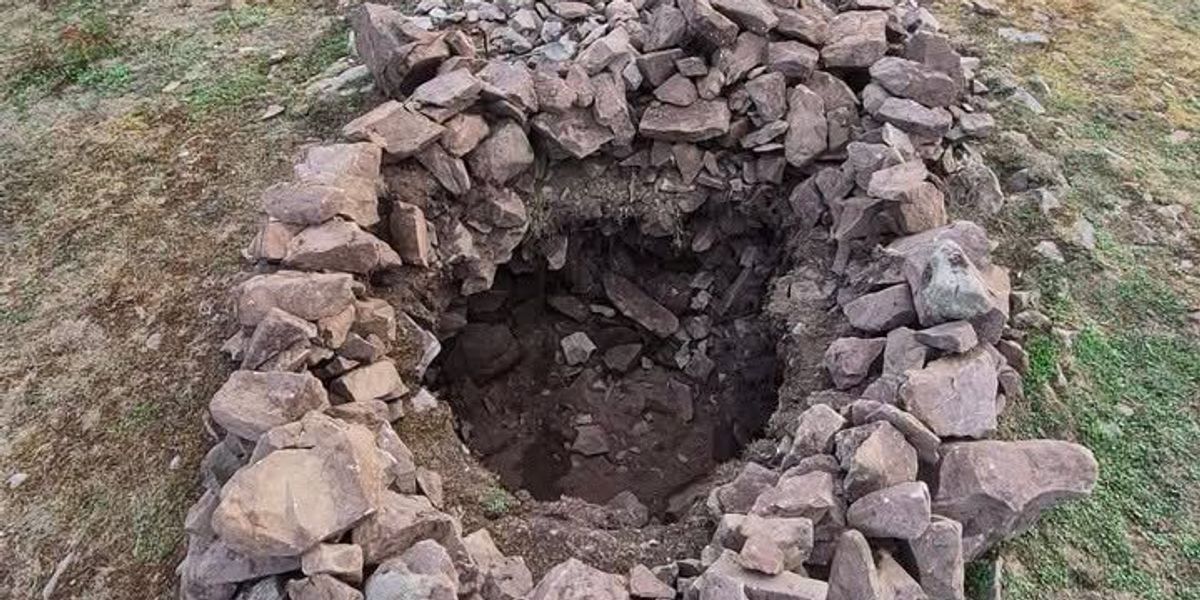
The Fire Beacon Cairn suffered damage when stones were excavated from the mound and repositioned around its perimeter
A Bronze Age burial cairn dating back four millennia has been vandalised by individuals who dug into the ancient structure and displaced its stones, heritage officials have confirmed.
The Fire Beacon Cairn, situated near Crowcombe in Somerset's Quantock Hills, suffered damage when stones were excavated from the mound and repositioned around its perimeter.
Heritage specialists believe the perpetrator may have been a treasure hunter operating under cover of darkness with metal detecting equipment who picked up a signal at the protected site.
The prehistoric monument, which forms part of a ceremonial landscape on the Quantock Hills National Landscape, has puzzled archaeologists with the peculiar nature of the interference.
A landowner observed the damage on separate occasions, suggesting whoever was responsible returned to continue their activities at the scheduled monument.
Iain Porter, who serves as head ranger for the Quantock Hills, emphasised the structure's significance to the historic landscape.
"It's not a pile of stones it's a very important historic site. (It) shows the ceremonial nature of that landscape historically," he told the BBC.
The cairn represents one of approximately 50 protected burial monuments across the hills, which together illustrate the area's spiritual importance spanning the Neolithic period through the Bronze and Iron Ages.
Mr Porter expressed particular concern about archaeological material that may have been disturbed or destroyed during the intrusion.
"Archaeologists and heritage officers are very concerned because if there are any finds or if there is any archaeological evidence of use and dating material, that's where it's going to be," he said.
Officials indicated that restoration work would require significant financial resources to return the monument to its previous condition.
Dr Richard Brunning, senior historic environment officer at the South West Heritage Trust, characterised the cairn as representing an "important relic of this very distant past".
He described the vandalism as highly unusual in his interview with The Telegraph.
"It's quite peculiar what they're doing," Dr Brunning observed, adding "one possibility is that it is a metal detectorist who has got a signal but we don't know. It's a bit of a mystery".
The heritage expert suggested the timing of the intrusion indicated awareness of wrongdoing by those responsible.
"It seems like they may be doing this at twilight or overnight, which suggests they might know what they're doing is wrong," he said.
Dr Brunning stressed the irreplaceable scientific worth of such burial sites, particularly for modern analytical techniques.
"Archaeologically, they're very important when they're excavated because as they hold human remains, that gives us very good evidence for what people were like," he explained.
He noted contemporary methods enable researchers to "do all sorts of wonderful bits of science that you could never do in the past, such as looking at DNA from people buried that long ago".
The structure benefits from statutory protection as a scheduled monument, rendering any deliberate harm a criminal violation under the Ancient Monuments and Archaeological Areas Act 1979.
Those convicted of such offences face sanctions including custodial sentences of up to two years or unlimited financial penalties in the most serious instances.
Moving stones, excavating soil, or causing damage to these designated sites constitutes illegal activity, as does the use of metal detecting equipment at such locations.
Historic England revealed the cairn had undergone restoration following previous vandalism at the identical location two years prior, making the recent interference particularly troubling.
A spokesman for the heritage body urged members of the public to maintain watchfulness and promptly notify Historic England alongside the Quantock Hills National Landscape team should they witness any additional acts of vandalism.