Thank you for subscribing!
Mental health and alcohol issues have been given as some of the reasons
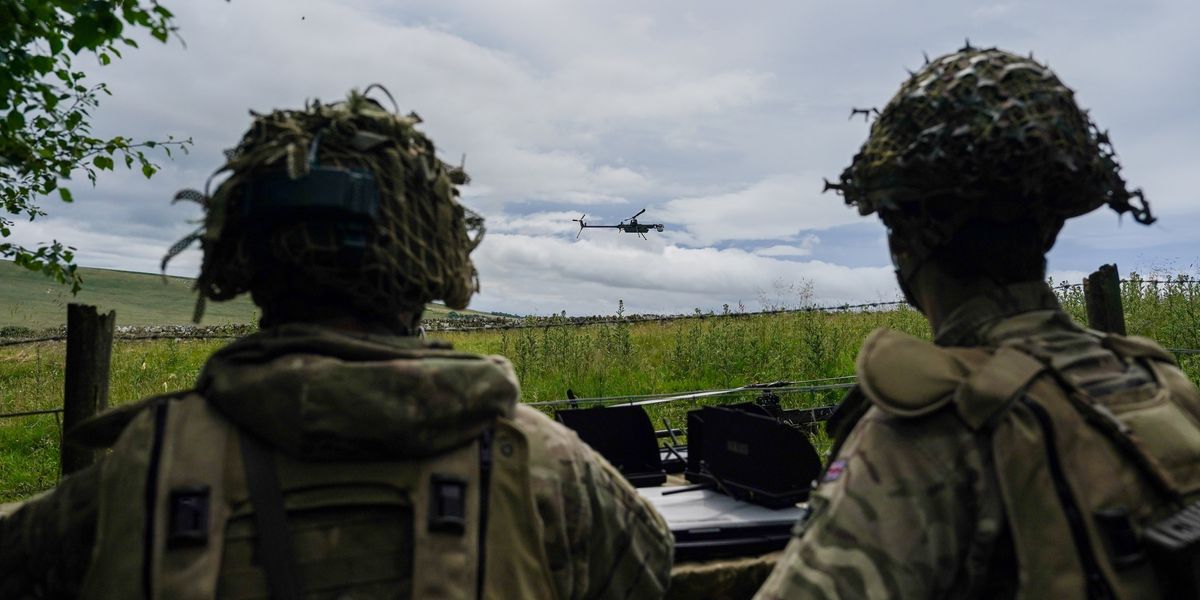
Nearly 30,000 British troops are unfit to serve on the front line, new figures have revealed.
More than one in 10 of the Army’s 74,300 troops, or 7,652 soldiers, would not be able to be deployed to a front-line fight, figures shown to the House of Commons have confirmed.
An additional 10,624 could be deployed but have medical issues preventing them from taking on combat roles.
These figures add to those released in 2025 that show that the Navy and RAF have a further 11,413 that are either undeployable or could be sent but would have medical issues.
However, some of the issues include mental health and alcohol struggles.
Former intelligence officer Colonel Philip Ingram called the figures “staggering.”
He told The Sun: “Serious questions must be asked about who is responsible for this failure of leadership.”
The Ministry of Defence said: “We are committed to providing world-class medical treatment.”
The concerning reveal comes just days after a security expert told GB News that Chancellor John Healey’s apparent U-turn on defence spending “speaks volumes” about Labour’s priorities.
Research Director Rob Clarke of the 878 Institute reacted to concerns that the Chancellor has abandoned his convictions on fully funding Britain’s armed forces.
In June, Mr Healey resigned as Defence Secretary in protest over the Treasury's failure to provide the cash needed to meet the UK’s security commitments.
Mr Healey had called for a firm “headmark date” for reaching three per cent of GDP on defence in 2030.
Just two months later and now serving as Chancellor under Andy Burnham, Mr Healey appears set to shelve his previous target.
The Chancellor is said to have deferred the increase until next year’s spending review, with defence spending currently projected to reach around 2.7 per cent of GDP by 2030.
Mr Clarke said it was “very disappointing” to see Mr Healey renege on the apparent catalyst for his principled resignation as Defence Secretary.
“I think it’s very disappointing considering his rhetoric only three months ago he resigned on a point of principle,” he said.
“That principle now seems like it’s no longer a fact to play.”
The defence expert said Mr Healey had first-hand experience of the Treasury’s resistance to increasing security spending.
“I think it’s very disturbing that this is happening only weeks into the new Burnham administration. We have another two and a half years of this at least.
“The Parliamentary Labour Party (PLP) as an entity, as a body, simply don’t care. It is as simple as that.”