Thank you for subscribing!
Coastguard rescue teams and bomb disposal specialists were called to Drigg beach on Tuesday morning
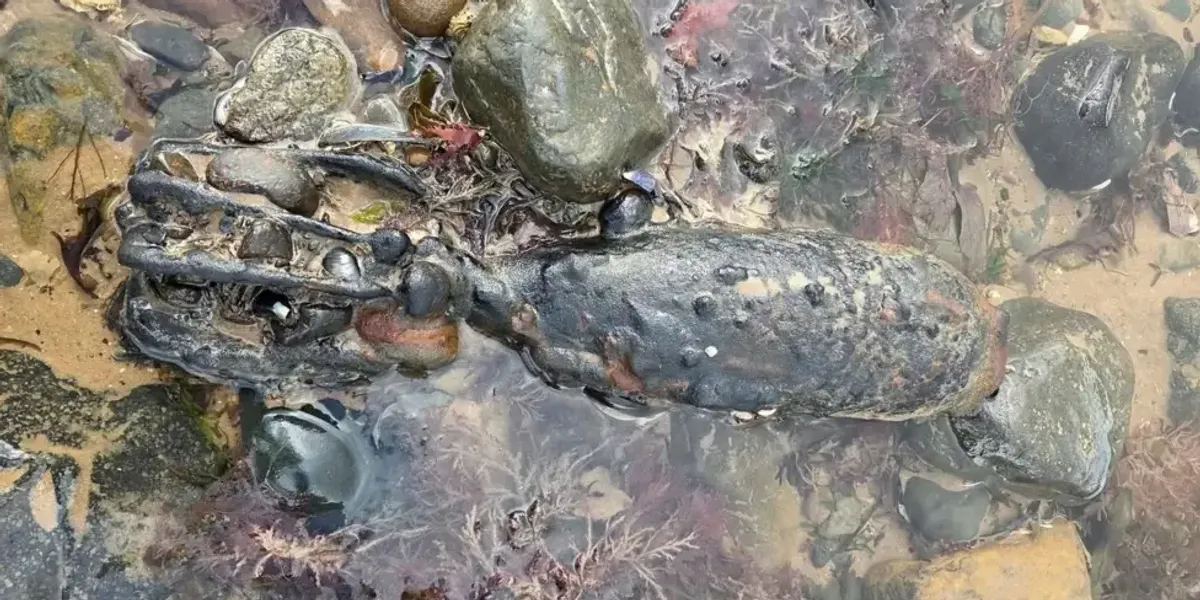
Three suspected explosive devices discovered on a renowned "bomb littered" Cumbrian beach are due to be destroyed today in a controlled explosion.
Coastguard rescue teams and bomb disposal specialists were called to Drigg beach on Tuesday morning after the items were found.
The beach, on Cumbria’s Irish Sea coast, is around seven miles south of the Sellafield nuclear site, and has been the scene of several similar discoveries over the past year.
Following an assessment, an explosive ordnance disposal team is expected to carry out a controlled detonation this afternoon, according to the Millom Coastguard Rescue Team.
The latest discovery comes after five suspected explosive items were destroyed at the beach earlier this month.
A number of artillery shells and mortar rounds have also been recovered from the area over the past year.
Just last week, five suspected explosive items were destroyed on the very same coastline.
Whitehaven Coastguard Rescue Team said someone spotted a "concerning object" while at Drigg beach, which triggered a response from the Explosive Ordnance Disposal (EOD) unit.
Due to tide times, the EOD team carried out a controlled explosion two days later, on Sunday, September 6.
Millom Coastguard Rescue Team provided a safety cordon after the person who saw the items gave a "precise location" using the tool What3Words.
A month prior on August 17, an army disposal team was called to Drigg following a report of possible ordnance on the foreshore.
Millom Coastguard Rescue Team attended the scene with Whitehaven Coastguard Rescue Team and found the item.
A description, details and the location were passed to the army’s EOD unit, with a disposal team from Catterick attending and dealt with it.
Millom Coastguard Rescue Team said: “If you see anything on the beach which looks out of place, do not approach or touch it.
“Get a location, using what3words, then call 999 and get us out. We will then arrange for its safe disposal.”
Beyond unexploded ordnance, the same coastguard team has also had to deal with poisonous plants washed ashore.
Hemlock Water Dropwort (Oenanthe crocata) were sighted between Drigg and Parton – a stretch of about 14 miles as the crow flies.
Also known as “dead man's fingers”, the poisonous plant can be fatal to humans and animals, even in small quantities.
The plant is one of, if not the most poisonous plants in the UK and is commonly found along Britain’s waterways but can also grow in damp ditches and marshy areas.
Hemlock Water Dropwort has bright green and disney leaves with two to four pinnate divisions in a triangular shape.