Thank you for subscribing!
Even the most powerful grid batteries can currently store just a few hours of energy
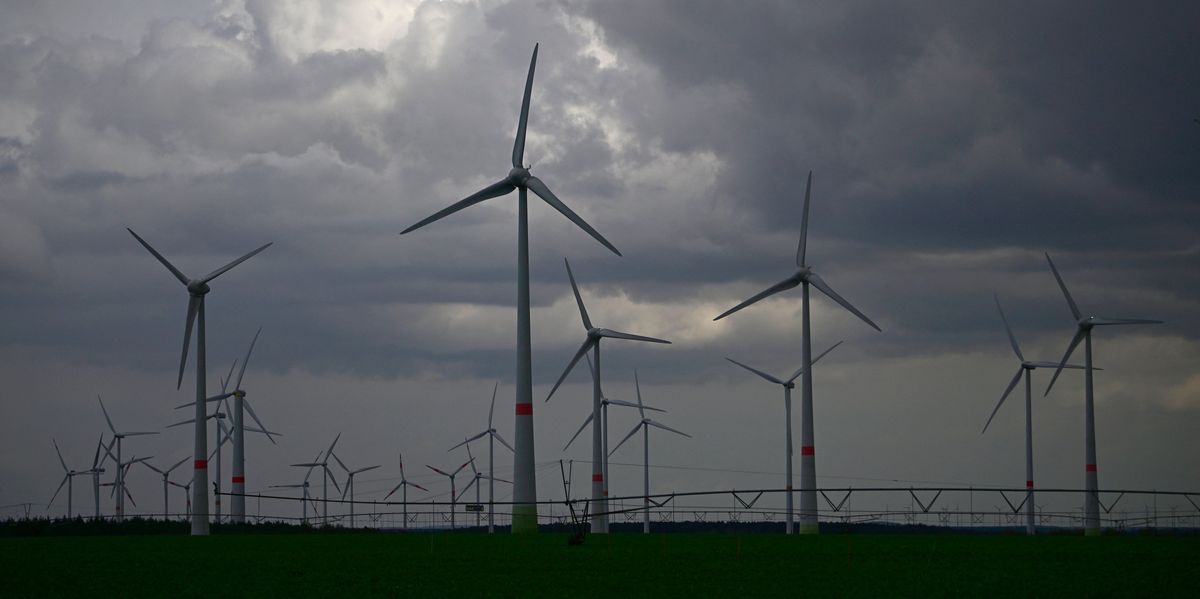
The House of Lords has launched an inquiry into the the "dunkelflaute" weather phenomenon which potentially puts Britain's renewable energy generation at risk.
The cross-party Environment and Climate Change Committee has launched a call for evidence into how to manage the risks of "dunkelflaute" — dark, windless spells that can last for days.
Renewable sources generated more than half of Britain's electricity last year and under the Government's Clean Power plan, 95 per cent of power is set to come from clean sources by 2030.
However, solar and wind power remain weather-dependent, meaning gas-fired power plants are often called upon to provide "firm" energy when conditions fall short.
The Lords inquiry aims to examine how "dunkelflaute" could affect the Government's 2030 decarbonisation ambitions and how any shortfall in power will be met.
The committee aims to calculate the likelihood, severity and frequency of these weather spells, alongside progress on technology designed to cope with them.
It will also assess whether the Clean Power 2030 plan is "on track to deliver a cost-effective system that is operationally resilient to such events, while remaining consistent with Net Zero targets".
Beyond backup gas generators, options for managing "dunkelflaute" include importing electricity from European neighbours and drawing on grid-connected batteries.
However, even the most powerful batteries can currently store only a few hours of energy and interconnectors may prove less useful if neighbouring countries face the same weather conditions simultaneously.
Low-carbon dispatchable power sources, such as biomass, are also being considered, with hydrogen expected to play a growing role in future.
Committee chair Baroness Sheehan said: "The Government's ambitious Clean Power 2030 target is fast approaching.
"Achieving it requires the rapid decarbonisation of the UK's electricity system, alongside the widespread electrification of homes, transport and industry, with a commitment to ensure that at least 95 per cent of Great Britain's electricity generation comes from clean sources by 2030."
She added: "As the proportion of electricity supply relying on renewable sources such as wind and solar increases, concern has been raised about the vulnerability of the system to periods of low wind and solar generation.
"The Committee wants to hear from meteorologists, energy experts, scientists and other key stakeholders about the likelihood and impact of 'dunkelflaute'."
Baroness Sheehan continued: "We also want to examine which technologies, governance frameworks and policies will be needed to deliver the Government's clean power target and build a resilient energy system."
The term "dunkelflaute" comes from the German phrase for "dark wind lull" and describes a weather period when solar and wind power generation are extremely low or near zero because there is no sunlight or wind.
The weather phenomenon typically happens in last autumn or winter and can last up to two weeks.