The British Red Cross has also advised not to hesitate to leave an area even if the authorities have not told you to officially evacuate
British tourists have been told to prepare "evacuation grab bags" amid the wildfires raging through Europe.
The British Red Cross has issued urgent guidance to UK holidaymakers travelling to southern Europe, warning them to pack wildfire "evacuation grab bags" and prepare escape plans as devastating blazes rage across France, Spain and Italy.
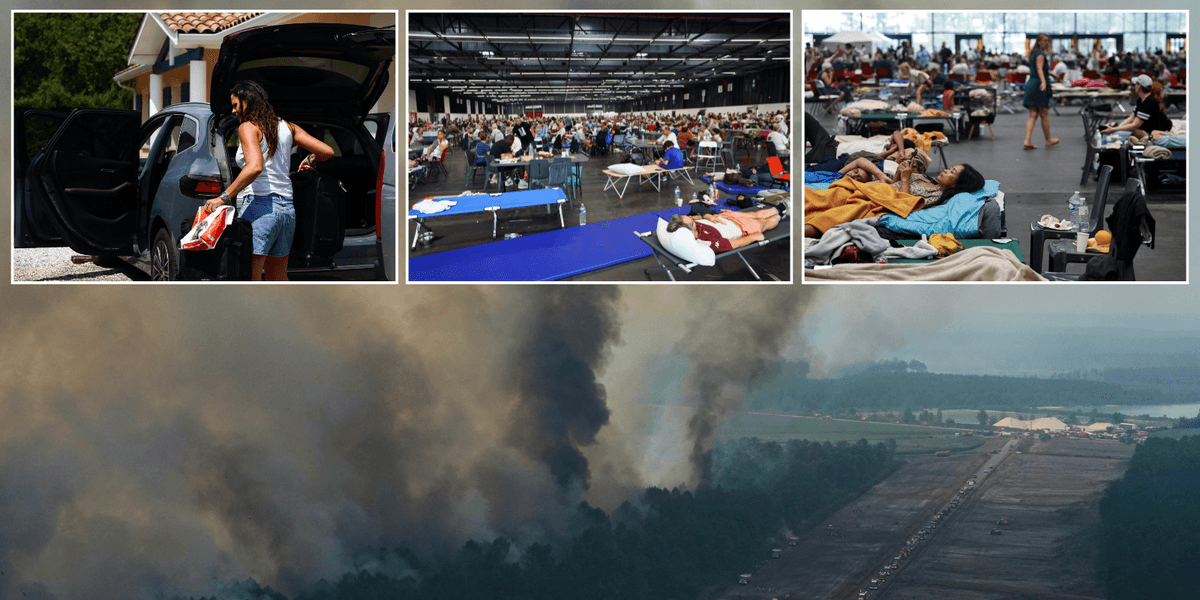
Tens of thousands of tourists were forced to flee resorts to the west of Bordeaux in south-west France in the last few days.
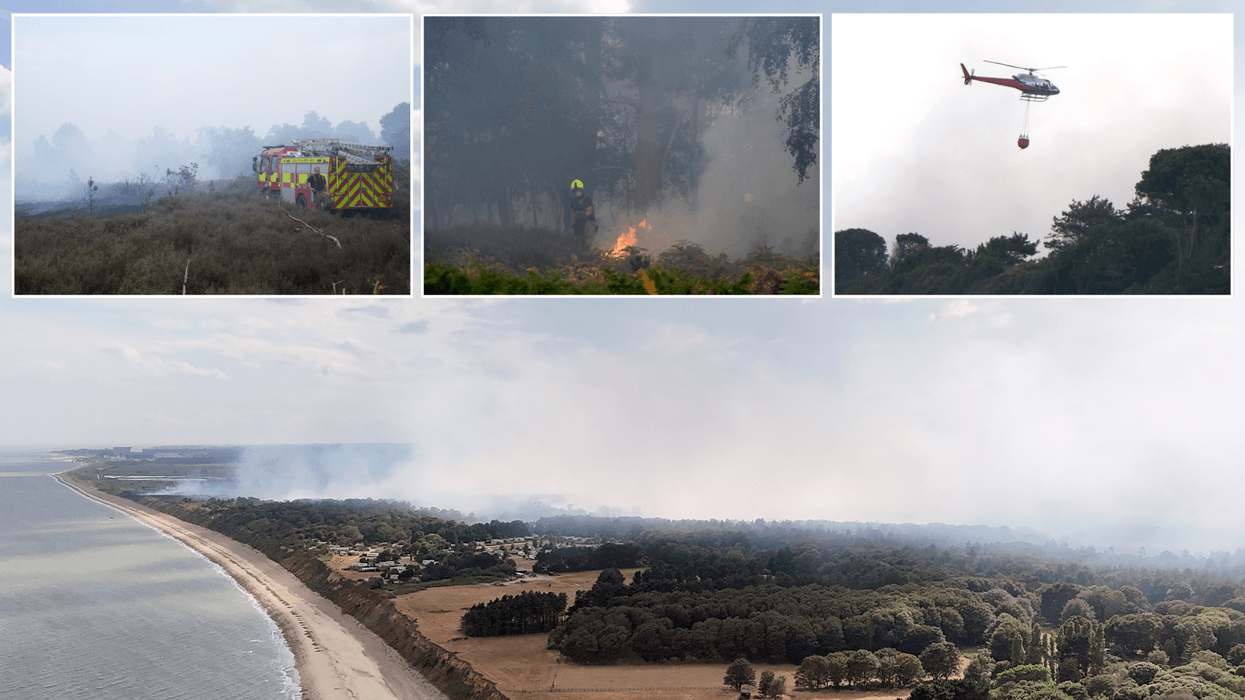
The fires in the Gironde département had ignited three days prior and have since scorched an area equivalent in size to the Isle of Wight.
Laura Scott, director of crisis response at the British Red Cross, told The Telegraph: "Have an escape plan ready and be prepared to leave quickly in an emergency."
With flames now burning just nine miles from the outskirts of Bordeaux, the city's mayor has indicated readiness for "all eventualities".
Ms Scott described the situation as among the worst in recent memory, saying: "France and Spain are battling some of the largest wildfires in their recent history, with hundreds of thousands evacuated and vast areas of land burned and the authorities declaring major emergency resources as extreme heat and dry conditions continue to fuel the fires."
She cautioned that emergency services are being pushed to breaking point.
"We are seeing not only the deployment of exceptional response measures, but also reports that some of those response measures are reaching, or have reached, the limit of their capacity," she said.
Tourists must therefore take personal responsibility for their own safety, Ms Scott stressed.
The crisis response director was unequivocal about the need for immediate action when danger is perceived.
Wildfires can advance at extraordinary speed, often outpacing people on foot, at a run, or even behind the wheel of a car, she said.
"If you've been told to leave, then you should move off immediately.
"If you're not trained and equipped to fight a wildfire, do not try. Don't put your life at risk. Leave immediately; delay could be deadly," she said.
She urged those who sense they are in peril not to wait for an official evacuation order, advising to not hesitate in self-evacuating as "staying can increase the risk to yourself".
Ms Scott outlined six essential survival measures for British tourists in wildfire-prone regions.
First, she advised making the immediate environment safer by checking for flammable hazards such as abandoned barbecues or improperly discarded glass bottles, which can focus sunlight and ignite fires.
Monitoring local news coverage is also vital, though she acknowledged the language barrier many travellers face.
"If you aren't able to access any information about your level of safety in a language that you can understand, consider your level of vulnerability higher," she said.
Families should agree an evacuation plan in advance, particularly when members are splitting up for different activities during the day.
Holidaymakers should also assemble a ready-packed "grab bag" containing their phone, any medication, passports, cash and water.
For those with a vehicle, Ms Scott recommended parking with the car pointed towards the exit to enable the fastest possible departure.
When driving through or near a fire zone, windows should remain closed and air conditioning switched off to minimise exposure to smoke.
Travellers should also watch for hazards on the road, including burnt trees, downed power poles and fallen wires.
Keeping a pair of sturdy shoes alongside the grab bag is another practical step, particularly for those who may need to evacuate after going to bed.
Beyond the immediate safety considerations, acting early can also reduce the financial toll.
Many British holidaymakers have discovered that their travel insurance policies do not cover some or all costs arising from an evacuation or forced change of plans.