The government emphasised there is 'no reason for alarm' at present
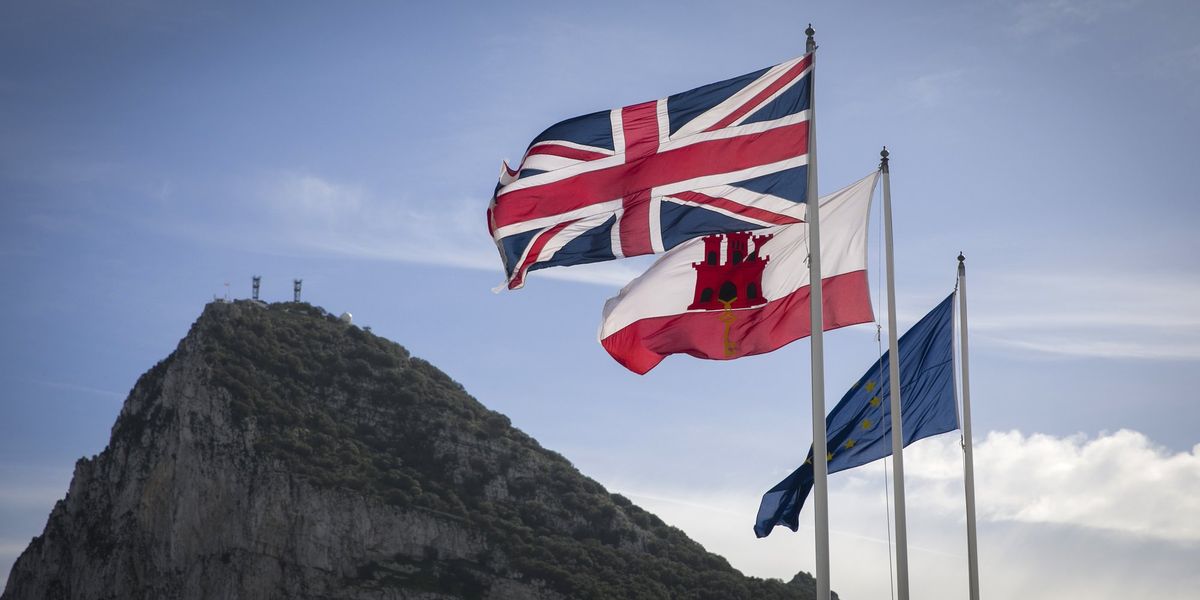
Gibraltar has declared it is monitoring the unfolding humanitarian catastrophe in Ceuta with "deep concern" after an unprecedented wave of tens of thousands of migrants arrived in the Spanish enclave.
Officials offered condolences to the families of those who died during the crisis and voiced solidarity with Ceuta's residents and authorities.
While stressing that knock-on effects for the territory remain "extremely unlikely," Gibraltar confirmed that all necessary precautions are in place.
Crucially, anyone entering Spain or the Schengen zone without authorisation gains no automatic entitlement to enter Gibraltar, work there, or take up residence, the government said.
The Royal Gibraltar Police, the Borders and Coastguard Agency and other relevant authorities are already "operating with heightened vigilance" following the implementation of the Treaty and will continue to do so for the foreseeable future.
The Rock also emphasised there is "no reason for alarm" at present.
Prime Minister Andy Burnham, speaking to reporters during a visit to a family centre in Sheffield, called the situation "concerning" and said he recognised the public desire for action.
He said: "I know people will see those scenes and want something to be done."
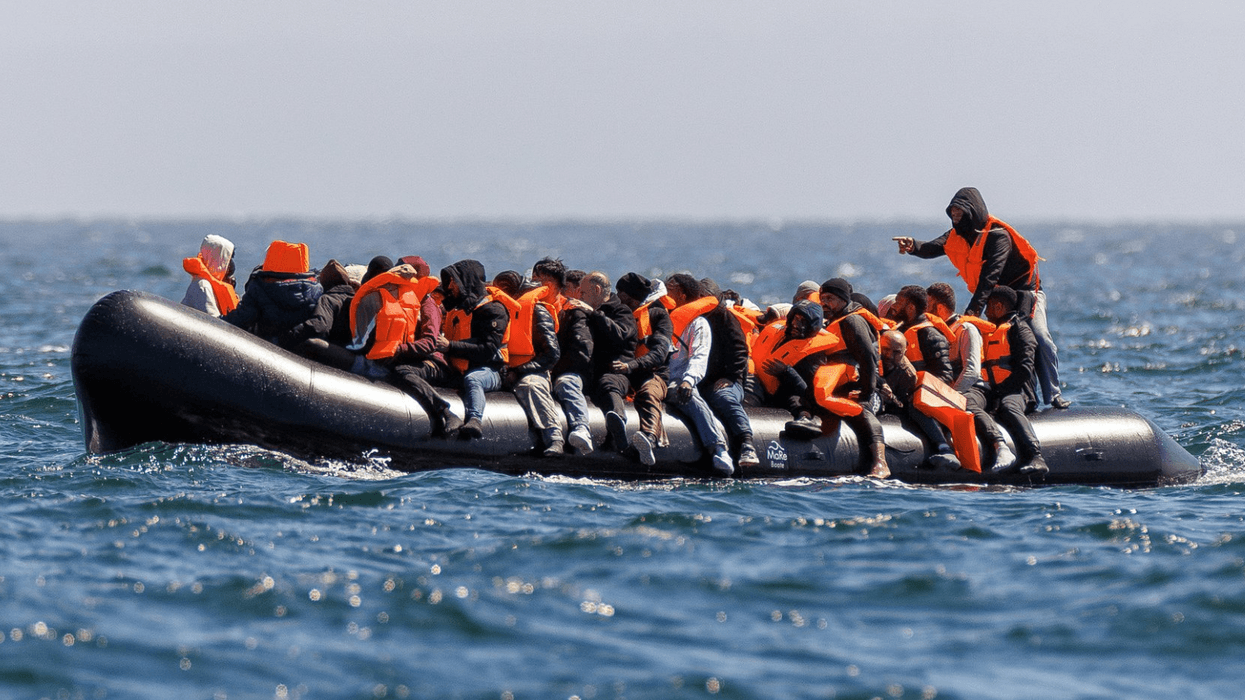
Mr Burnham defended his decision to retain the current Home Secretary, noting that her plan "has started to make a difference," while acknowledging that the country is in a peak period for Channel crossings.
He indicated he would travel to Dover imminently to assess small boat arrivals first-hand, saying: "I will make a visit shortly to Border Force to see the situation myself."
On the Ceuta emergency specifically, the Prime Minister described it as "a matter for the Spanish government" but confirmed the UK is reaching out to Madrid to offer support.
Brussels could take as long as 28 days to formally act on any Spanish request for crisis assistance, GB News have revealed.
Under EU regulations that took effect at the start of July, the European Commission has a fortnight to determine whether a situation qualifies legally as a "crisis," with the Council of member state leaders then granted an additional two weeks to approve response measures such as asylum seeker relocation, funding, and personnel deployment.
Shadow Home Secretary Chris Philp accused Brussels of exacerbating the problem through inaction, telling GB News: "This shows that weak borders and giving status to people who enter a country illegally is a terrible idea and just encourages more to come."
Former Immigration Minister Kevin Foster urged the EU to deploy Frontex swiftly, telling the People's Channel that the bloc possesses "no silver bullet" against irregular crossings and that Schengen membership means surrendering frontier control.
European Commission President Ursula von der Leyen condemned the scenes, declaring: "The images coming from Ceuta are unacceptable."
She said dangerous crossings must cease immediately, smuggling networks dismantled, and returns carried out swiftly, adding that Commissioner Magnus Brunner is already coordinating with Spanish authorities and stands ready to visit critical locations.
Italian Prime Minister Giorgia Meloni signalled she may take drastic steps, stating: "We are prepared to take action including through extraordinary measures to defend our borders and ensure citizens' safety."
France's Interior Minister Laurent Nunez announced on Friday that he had ordered reinforced checks at the Spanish border.
Spanish Prime Minister Pedro Sanchez deployed the Civil Guard, characterising the mass crossing as a breach of national territorial integrity. Madrid and Rabat have agreed to return all 60,000 migrants who entered Ceuta.