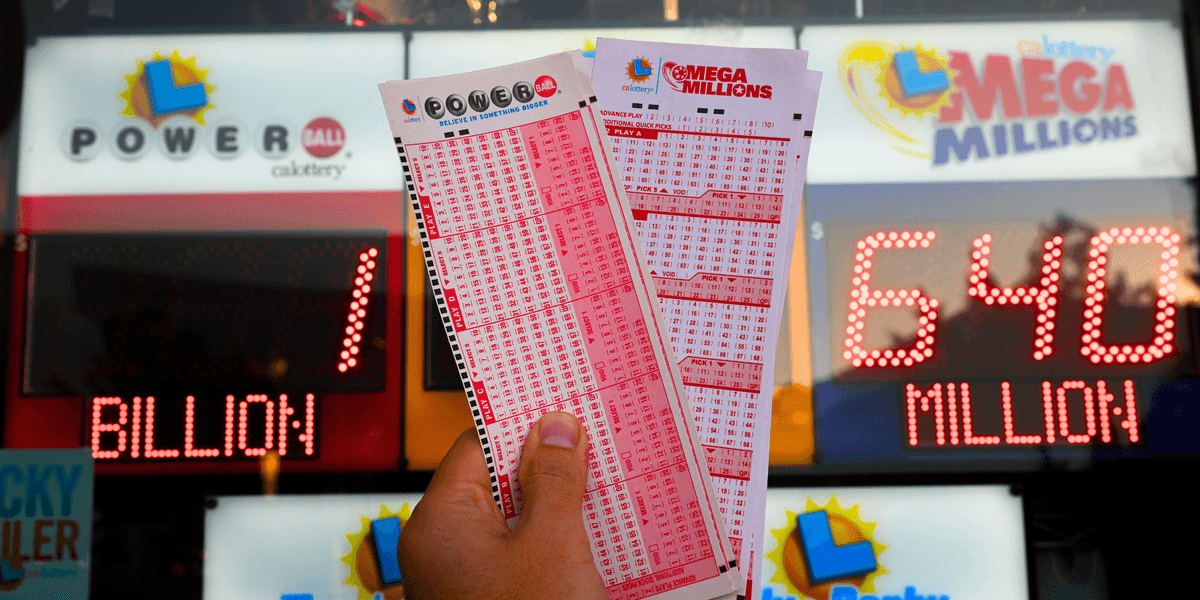
While Britons will face off with American players to claim the Powerball prize, one smaller jackpot is being ring-fenced for UK ticket-holders
The National Lottery's Powerball game goes on sale in the UK today, priced at £4 per line.
It is the first time the American jackpot game has been available outside the United States.
British players will compete alongside their US counterparts for shared prizes that can reach into the billions, paid out across 30 years.
The current estimated jackpot stands at $416 million, equivalent to roughly £311 million.
Should the pot continue to roll without a winner, UK ticket-holders could claim it in Thursday's inaugural draw.
The game has been launched by Allwyn, which runs the National Lottery.
As a result, they can swell to hundreds of millions or even billions of pounds.
A unique prize tier exclusive to British players players awards a fixed £8 for matching two main numbers.
Matching five main numbers guarantees a fixed £1million prize.
Other tiers vary based on the balls drawn and the number of winners.
NATIONAL LOTTERY - READ MORE:
Allwyn's chief executive Andria Vidler said: "Powerball jackpots can soar into the billions, offering breathtaking sums with the potential to transform lives and communities."
She added: "We're encouraging players to get involved when tickets go on sale and we'll be crossing our fingers for our first UK winner."
The National Lottery recently underwent its most significant draw-based Lotto revamp since 1994, giving players two opportunities to win with every £2 ticket.
Rolled out from June 7, the change is projected to more than double the number of Lotto millionaires per year from around 140 to approximately 345.
Allwyn also recently completed a £450million technology overhaul, migrating 18 million player records and over three billion historical transactions to new platforms whilst upgrading systems used by retail partners.
Total National Lottery sales reached £8.1billion in 2025, a 3.5 per cent rise on the year before.
While it sent more than £1.7billion to "good causes" including health, education, arts, sports heritage and charitable projects.