





Police drones will be deployed across all London boroughs in the latest bid to combat the capital's crime epidemic.
Scotland Yard launched a pilot scheme in Islington, north London last October, where nine drones assisted the Met Police with around 200 incidents a week.
Drones will fly over incidents to report back intelligence and information, and track suspects to assist the force in catching criminals.
Following the trial, which was dubbed a success, the scheme will be expanded to all 32 London boroughs by June 2027, with drones swarming over the capital.
Sir Mark Rowley, the Met commissioner, has praised the quick response as London faces a mounting crime epidemic.
He said: "Drones are already transforming how we respond to incidents - getting visuals from the scene in minutes, giving officers critical intelligence and helping us act faster and more safely.
"Now we are scaling that capability across London and working with partners to create a truly integrated, city-wide drone network."
In further crackdowns, Scotland Yard has announced plans to install live facial recognition cameras throughout London's West End before the end of the year.
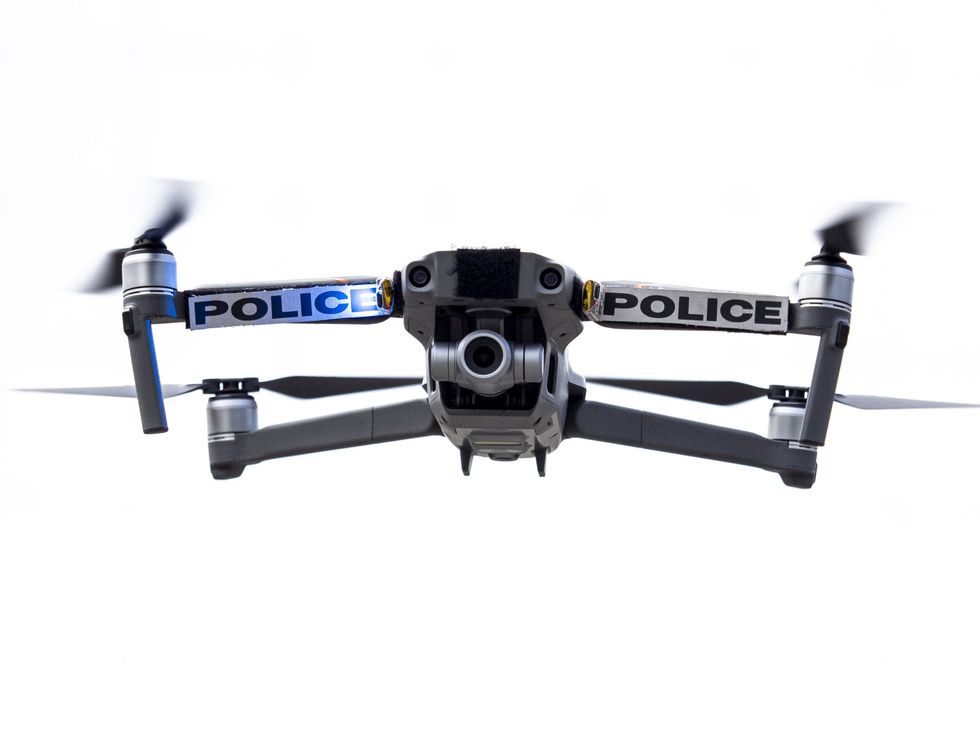
Police drones will be deployed across all London boroughs in the latest bid to combat the capital's crime epidemic
|GETTY
The Metropolitan Police confirmed that fixed surveillance equipment will be positioned across Soho, near theatre venues, and in major retail areas by December.
Officers will retain the flexibility to relocate the cameras should criminal activity patterns change across different locations.
The technology operates by linking cameras to a database of photographs of wanted individuals, with facial biometric data extracted and cross-referenced against these images in real time.
When the system identifies a potential match, police officers receive an immediate alert.
LATEST DEVELOPMENTS:
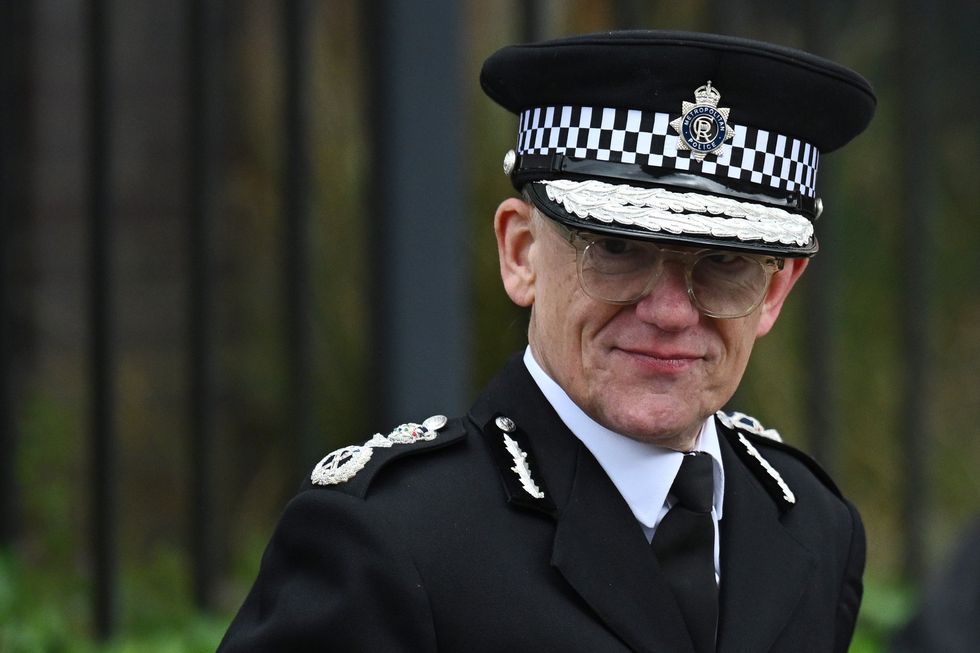
Sir Mark Rowley, the Met commissioner, has praised the quick response
|GETTY
This morning, the Police Commissioner spoke on the crime waves in partnership with the Police Foundation.
He said: "Policing by consent is key to the British policing model and is something we must treasure in this new age.
"However, when it comes to new technologies, as we saw with LFR, some campaign groups call for new legislation and restrictions every time a new capability emerges.
"While that comes from a legitimate place, it risks slowing progress to the point where policing cannot keep pace with the threats we face."

This morning, the Police Commissioner spoke on the crime waves in partnership with the Police Foundation
|GETTY
He added: "We already operate within a robust legislative framework including the Human Rights Act, the Investigatory Powers Act, the Data Protection Act and GDPR, and we are overseen by at least five regulators and commissioners.
"If every time a new capability emerges, or we find a new use case for data exploitation, we have to wait for new legislation before we use it, we will fail.
"We cannot legislate for every incremental development in technology. The pace is simply too fast, and the legislative process is too slow."