Thank you for subscribing!
A total of 77,316 non-scheduled civil flights arrived in the UK from overseas last year
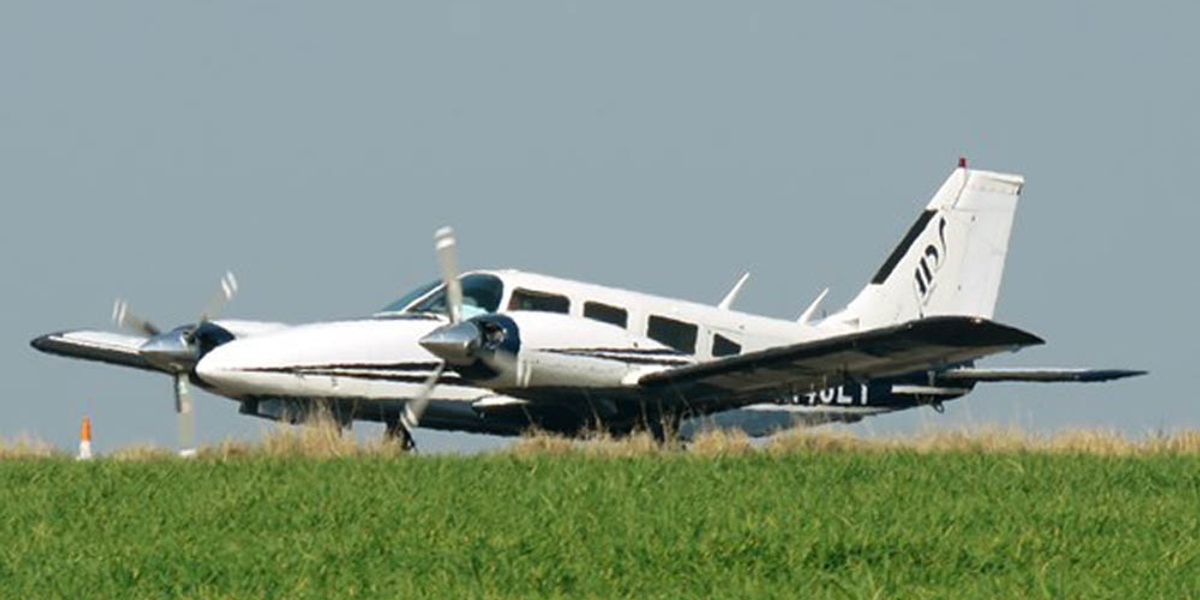
Britain’s border controls could be exposed by thousands of private jets, helicopters and light aircraft arriving each year, a new report warns, with hostile states and criminal groups able to exploit the aviation network.
Research by the Royal United Services Institute (Rusi) found that 77,316 non-scheduled civil flights arrived in the UK from overseas last year.
The flights used a network of 538 approved aerodromes, airfields and helipads, many of which do not have permanent border or police facilities.
The report describes general aviation as a significant but under-examined vulnerability in the UK’s border security system.
It warns that weaknesses used by organised criminals could also potentially be exploited for sanctions evasion, illicit finance and hostile state activity.
The study examined non-scheduled aviation in the UK, Netherlands, Belgium and Luxembourg, areas where organised crime networks are known to operate.
Researchers found documented examples of small aircraft being used to transport drugs, weapons, money and people.
In one case, a private jet arriving at Farnborough airport in 2018 was found to contain about half a tonne of cocaine concealed in 15 suitcases.
Two years earlier, criminals posing as aviation enthusiasts used a rented helicopter to transport heroin and cocaine worth about £12million, making stops in Kent and Surrey.
A small aircraft was also involved in an attempted people-smuggling operation in 2022, when four Albanian migrants were allegedly brought into Britain via Deenethorpe airfield in Northamptonshire.
Cathy Haenlein, the Rusi report's author, said the attention devoted to small boat crossings in the English Channel risked overshadowing vulnerabilities elsewhere.
She said the speed and geographical reach of general aviation meant aircraft could potentially be used to move people or illicit goods into the UK with less scrutiny.
Passenger information supplied before flights is largely self-declared, making it difficult for authorities to verify every traveller.
Some flights can provide as little as two hours' notice, while flight plans may subsequently be changed.
Researchers also highlighted so-called “ghost flights”, in which pilots or operators fail to provide required documentation, making it difficult to establish where an aircraft has come from or where it is heading.
There is also no universal requirement for general aviation aircraft to continuously broadcast their location outside controlled airspace.
Rusi recommends mandatory transponders for all aircraft, alongside a clearer national strategy for managing the risks associated with general aviation.
The report cautions that recorded cases of criminal activity represent only part of the potential threat, with researchers unable to establish the full extent of exploitation.
A Home Office spokesman said: “General aviation is not a blind spot. Border Force assesses every notified general aviation flight arriving in the UK, with all high-risk flights targeted for checks.
“Working with the police and National Crime Agency, we have seized around 130kg of Class A drugs, stopped illegal entrants and secured convictions.
“We will continue to strengthen our border security and crack down on those who seek to exploit it.”