

You are about to be charged £0.00







The wreckage of a Pan Am aircraft that crashed off Puerto Rico more than 74 years ago has been located on the Atlantic seabed.
The "Clipper Endeavor" was heading from San Juan to New York when it went down on Good Friday 1952, claiming 52 lives.
A seven-year search led by the Air/Sea Heritage Foundation, working alongside the Discovery Channel, culminated in the discovery of the largely intact Douglas DC-4.
"Seeing the bright aluminium fuselage shining back at us from the ocean floor was a hugely emotional moment," said "Expedition Unknown" host Josh Gates to NBC's Today show.
The disaster triggered sweeping changes to pre-flight safety procedures worldwide.
The aircraft suffered multiple engine failures just 10 minutes after departing San Juan with 64 passengers and five crew on board.
Remarkably, everyone aboard survived the initial impact with the ocean.
However, rough seas left the plane taking on water.
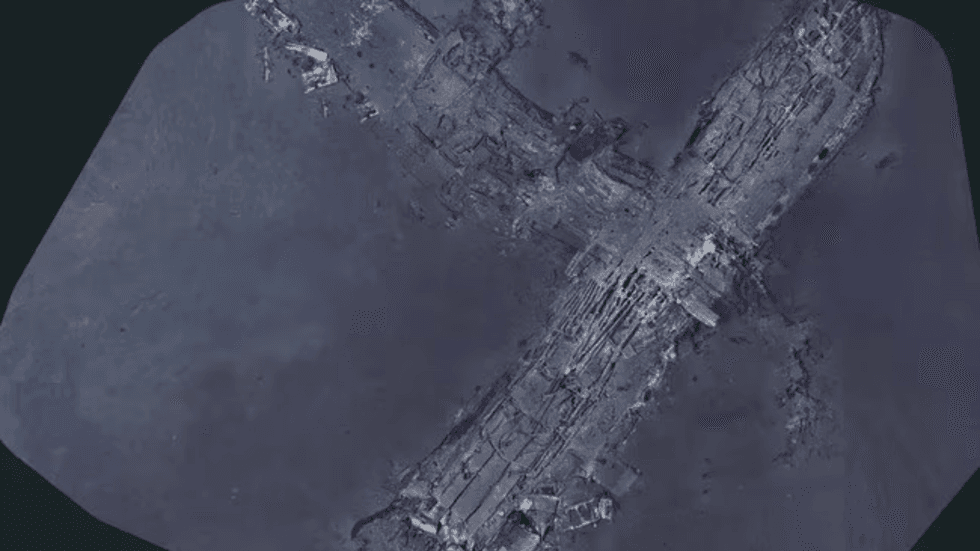
'Seeing the bright aluminium fuselage shining back at us from the ocean floor was a hugely emotional moment,' Josh Gates revealed
|AIR/SEA HERITAGE FOUNDATION
Flotation devices were on board and procedures for their use were in place, but the aircraft sank within three minutes.
In the chaos, 52 people drowned in and around the plane.
Only 17 people were pulled alive from the water, thanks to rescue operations by the US Coast Guard and Air Force.
At the time, flight-attendant safety briefings were not yet standard practice.
AIR DISASTERS - READ MORE:
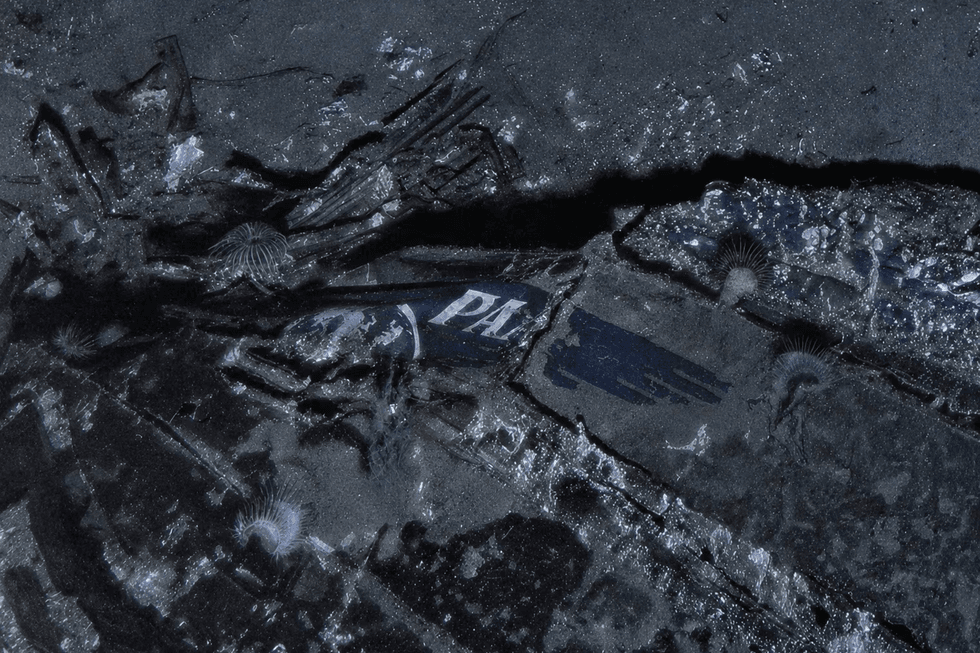
'Every time you step on-board an aeroplane today, you are safer because of what happened to Clipper Endeavor,' Mr Gates said
|AIR/SEA HERITAGE FOUNDATION
The tragedy directly led to mandatory pre-flight safety demonstrations for all passengers, including instructions on emergency exits and flotation equipment.
"There was no demonstration of where the exits were, where the flotation devices are. And so in all of that chaos and all that panic, 52 people drowned in and around this plane," Mr Gates said.
That single change has potentially saved thousands of lives in the decades since.
"Every time you step on-board an aeroplane today, you are safer because of what happened to Clipper Endeavor and her passengers three quarters of a century ago," he added.
"This aircraft vanished beneath the waves, and the legacy of those aboard was at risk of being lost with it."
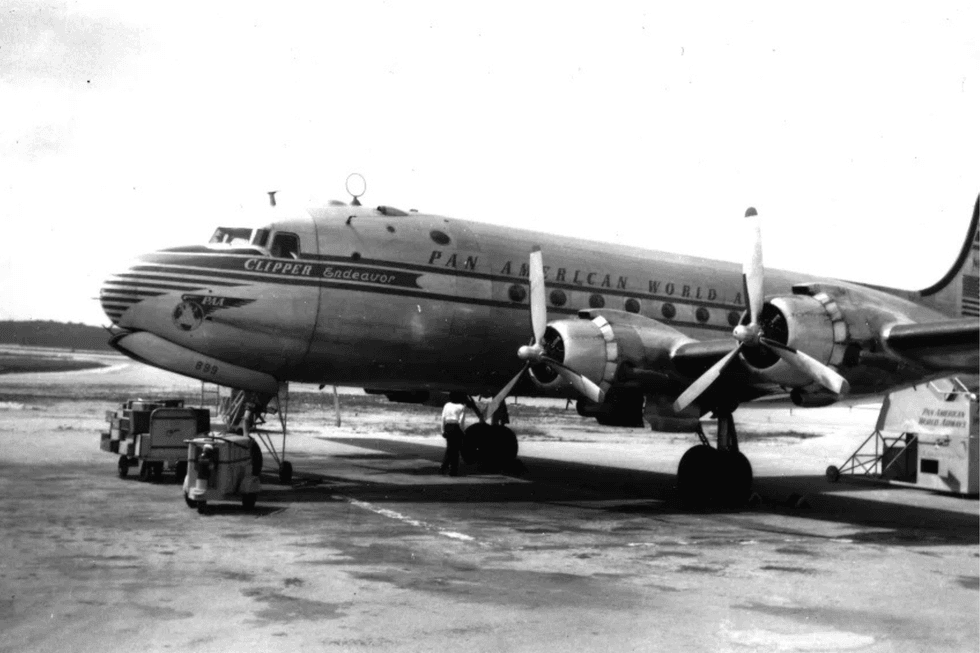
The Air/Sea Heritage Foundation, which specialises in locating and preserving crash sites from air and maritime disasters, began its search for the aircraft in 2019.
The team partnered with Deep Sea Vision, an Eco Minerals company, deploying advanced autonomous underwater vehicles and cutting-edge sonar technology.
In June, they found the Douglas DC-4 — comparable in size to a modern Boeing 737 — roughly 610 metres beneath the surface, split into two sections with its Pan Am logo still visible.
"I hope this historic discovery brings some peace to the families of those aboard and serves to remind the flying public today of the debt of remembrance we owe to this fateful flight," Gates said.
The Discovery Channel plans to feature the find in an upcoming episode of "Expedition Unknown."