







Morocco has been condemned for "facilitating" illegal crossing into the European Union.
Western intelligence sources have pointed the finger at the North African country for the illegal influx of 60,000 people entering the Spanish enclave of Ceuta.
The intelligence sources told The Telegraph the surge could be Morocco punishing Spain amid diplomatic breakdown between the two countries.
Spain and Morocco have been locking horns over Prime Minister Pedro Sánchez's proposed gas deals with Algeria.
In 2021, Morocco facilitated the migration of 8,000 people in Ceuta after a disagreement with Madrid over the sovereignty of Western Sahara.
Following this, Spain changed the course of their stance.
Around 60,000 surged to Spain from Morocco over the past few days, resulting in at least 77 people dying in the process.
Ceuta, along with Melilla, another Spanish enclave, which is roughly 250 miles east of the former, are autonomous cities bordering northern Morocco.
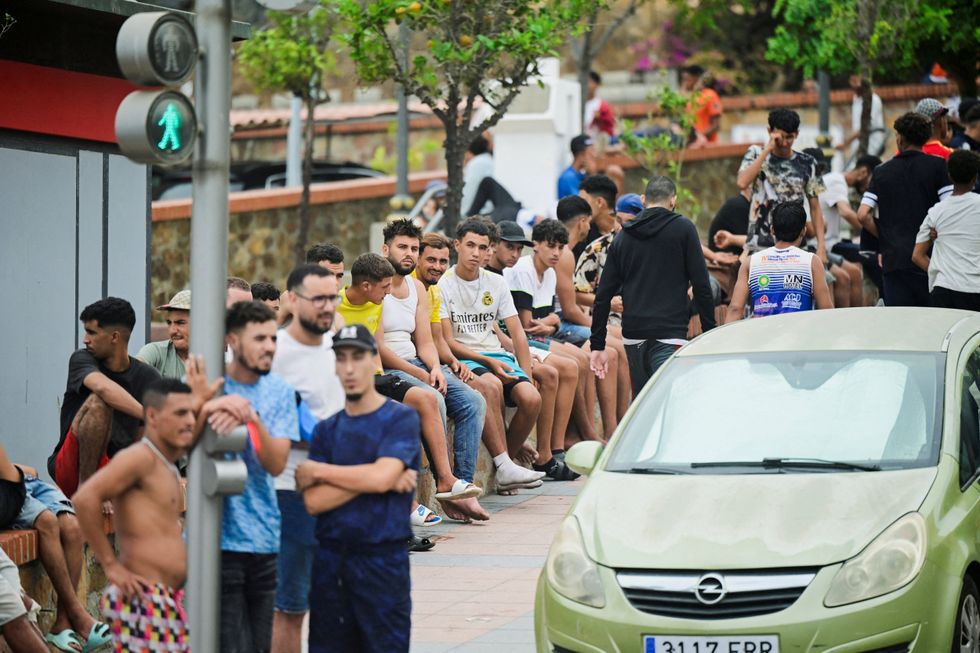
The Spanish authorities have said around 48,000 people have now returned to Morocco
|REUTERS
The enclaves represent the EU's only land borders to North Africa.
The "shocking" scenes have triggered panic among Spain's neighbours, with Italy suspending its Schengen agreement with the country and France threatening to follow suit.
The European Commission's president, Ursula von der Leyen, said the scenes from Ceuta were "unacceptable".
Belgium and the Netherlands also weighed in, saying the EU's external borders need to be more robust.
LATEST DEVELOPMENTS
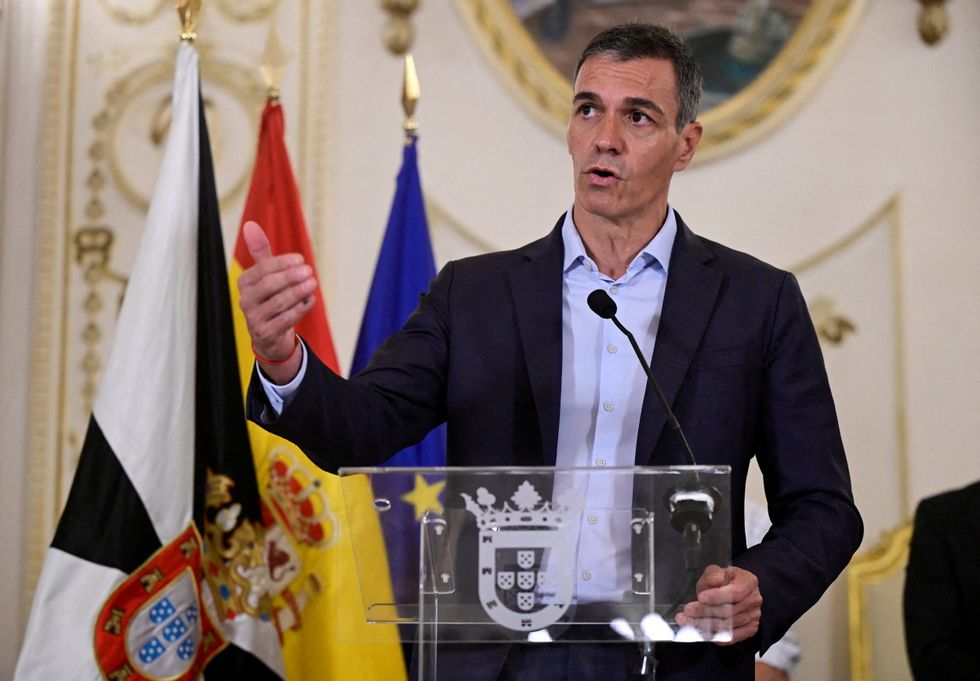
Pedro Sánchez thanked Morocco for their cooperation in tackling the migration issue
|REUTERS
However, Spanish officials dismissed claims Morocco was behind the crisis, with Mr Sánchez thanking Rabat for cooperating in tackling migration.
Morocco's ambassador to Spain Karima Benyaich said on Friday the crisis was "not wanted" and urged the migrants to "return" to their country.
Several of those who made the journey claimed they had been encouraged by police officers to cross the border.
Others explained seeing social media posts explaining a Spanish loophole in its migration policy, which means you cannot be expelled from the country if you enter it via sea.
The Supreme Court in Spain ruled last month migrants intercepted at sea while attempting to reach Ceuta, or the enclave of Melilla, could not be summarily returned under the country's special border-rejection policy.
Officials said there was a surge in social media activity before the influx on the border began, however, it was unclear if the online activity was organic or organised.
One theory being floated is the social media surge could have been coordinated by a hostile state or organised crime group.
Spain struck a deal with Morocco, it is understood, to return the people who had entered the enclave.
Zalmay Khalilzad, a former US ambassador to the United Nations, said: "Is it possible that the abrupt, mass movement of young men from Morocco to Ceuta is being engineered or facilitated by Morocco?
"Morocco does not recognise Ceuta as part of Spain.
"It has referred to it as occupied territory and has in the past used the mechanism of allowing illegal migrant movement into Ceuta as leverage to gain concessions from Madrid."