




A homeless man has been named as "prime suspect" over the death of a British woman found in a suitcase in Greece.
Elizabeth-Jane Ross, 38, was discovered dead in a suitcase located in a derelict building on Wednesday.
Ms Ross, from Edinburgh, was a committed Christian and believed to have been in the area for compassionate reasons as it is known for homelessness.
It is understood she regularly visited the country, working with NGOs over the past seven years, helping vulnerable groups such as abused women, migrants and the homeless.
The Greek authorities are now looking for a man referred to as "Markos", the Daily Mail understands, who is often located in the Kypseli district of Athens, where Ms Ross's remains were found.
The homeless suspect usually slept in the abandoned building where Ms Ross was found, but he has not been seen since her discovery, sparking a manhunt across the Greek capital.
He is described as being in his 40s, heavily tattooed with a stocky build and black hair.
The homeless man is also known for abusing drink and drugs and being aggressive towards women.
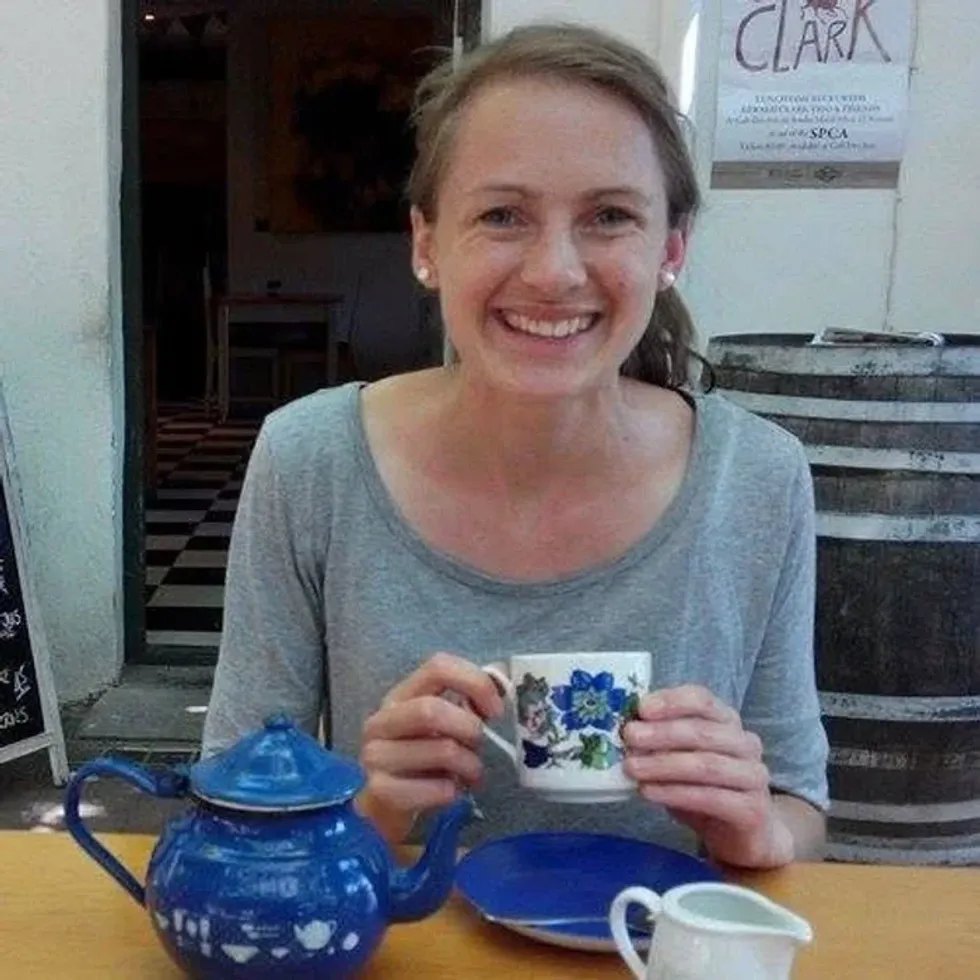
The body of Elizabeth-Jane Ross was found inside a suitcase in a derelict building in Athens
|Markos was rumoured to have attempted to rape a Bulgarian woman at knifepoint while she walked through a derelict car park after a night out earlier this year.
A Greek police source told the Daily Mail this accusation is being investigated now by the authorities, but it was not reported to them at the time.
They said: "We have a lead on a homeless man. We want to question a particular individual, but we are also looking for a number of other people as part of this investigation."
Ms Ross, known to those close to her as "Lisa", was thought to have travelled to Greece from Edinburgh via Cyprus at the end of June, going missing on July 15.
LATEST DEVELOPMENTS
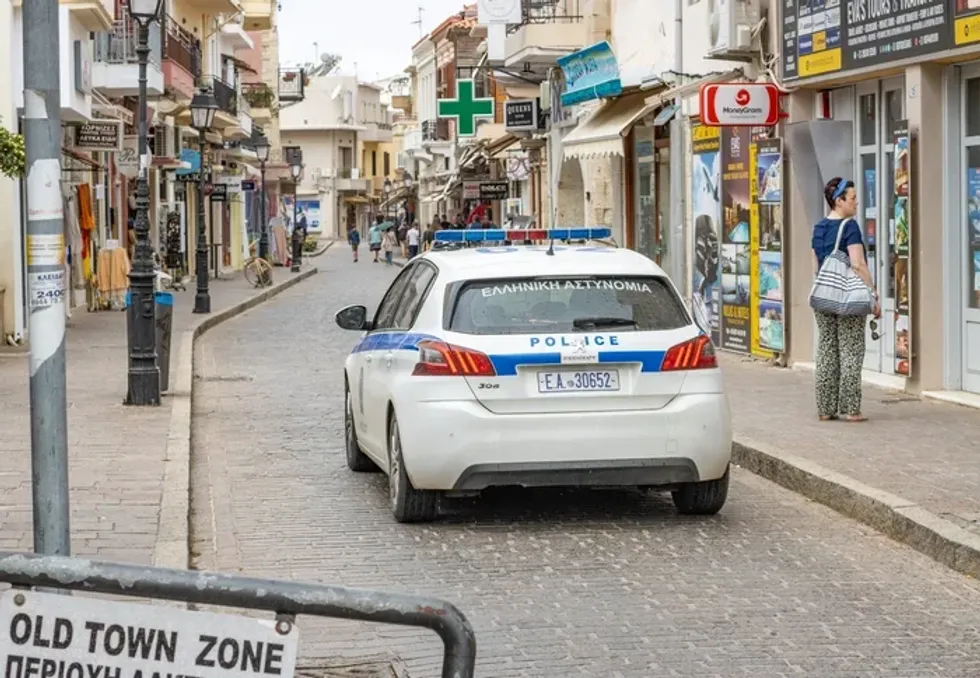
The police are now looking for a homeless man named 'Markos'
|GETTY
Her body was found three days later, with the authorities then revealing her phone had been used after her death.
Police have been questioning residents, business owners and homeless people in the area following the discovery.
A local business owner said: "The police came into my shop asking for CCTV and if I had seen Markos. But there’s been no sighting of him since the body of this British woman was found.
"He’s known to be a dangerous individual and women do not feel safe being near him.
"I’m not saying he’s done anything wrong for sure but it’s strange that Markos has not been seen for many days now."
The Greek police are now attempting to retrace Ms Ross's steps in the 72-hours leading to her discovery.
It has been established she was staying with Greek friends in the district of Keratsini in the capital.
She told them on July 15 she was leaving to stay with a group of Americans in Kypseli.
The police have cleared the group of Greeks of any wrongdoing, with their focus now on finding the Americans, but currently with no avail.
They are now questioning whether the group of Americans actually exists.
A police spokesman said: "We do not yet know who the people she visited are, nor whether they are Americans or if they even exist.
"We are trying to find out where she went and who she stayed with."
Investigators believe the killer may have contacted the victim's American friends after her death in a bid to cover up what had happened.
One theory suggests she had told people she was in contact with American friends specifically to reassure them she was safe.
A police spokesman said: "The victim may well have warned not to be alone."
Officers are examining whether messages were sent from Ms Ross's phone after she died, as part of an apparent attempt to conceal the killing.
On July 15, a text sent to a friend in Greece claimed she was heading to a Greek island and needed time away.
Similar messages sent to her family said she wanted space and needed time alone.
The phone remains missing, but investigators say it stayed active in the Athens area right up until Ms Ross was formally identified on Wednesday.
It was then switched off as news of her death began spreading internationally, a development police have described as suspicious.
Ms Ross's father, a lawyer based in Edinburgh, told officers he received messages purporting to be from his daughter between July 15 and July 29.
A Greek police officer said the phone had clearly been in use, with texts sent in what appeared to be a deliberate effort to suggest she was still alive.
Police believe her body was moved to an abandoned building on July 17.
Given the weight of the suitcase involved, investigators think whoever was responsible was likely staying in or near the Kypseli area at the time.
The suitcase was only discovered after a homeless man came across it and threw it in an attempt to force it open, causing a leg to become visible.
An initial post-mortem examination found no obvious injuries or signs of a struggle, and no identification was recovered from the scene.
The exact cause of death has not yet been established, although reports indicate strangulation and head trauma have both been ruled out.
Greek authorities described the victim as approximately 5ft 4in, with reddish hair worn in a bun, dressed in black shorts and a T-shirt.
Fingerprints were taken but did not match any records in Greece's national database.
Her identity was ultimately confirmed after Interpol's US office alerted Hellenic Police that the remains belonged to Ms Ross.