


British tourists have been warned a toxic fish capable of causing devastating injuries is spreading through waters around some of the Mediterranean's most popular holiday hotspots.
The silver-cheeked toadfish has been appearing in increasing numbers along the Greek coastline, prompting the Hellenic Red Cross to issue fresh safety advice.
Native to the Indian Ocean, the species is believed to have entered the Mediterranean through the Suez Canal before spreading rapidly as sea temperatures increased.
The fish is equipped with powerful, beak-like jaws capable of inflicting devastating bite injuries, with scientists documenting cases in which swimmers suffered partial finger amputations.
Its flesh also contains tetrodotoxin, a potent neurotoxin that makes every part of the fish unsafe to eat.
Greek authorities have responded by installing floating safety barriers anchored to the seabed around the island of Evia to create protected swimming areas.
Antonis Spanos, vice-mayor of Chalkida, said: "Our duty and primary concern has to be the safety of our citizens. It's better to be safe than sorry."
A further seven kilometres of protective netting is due to be installed.
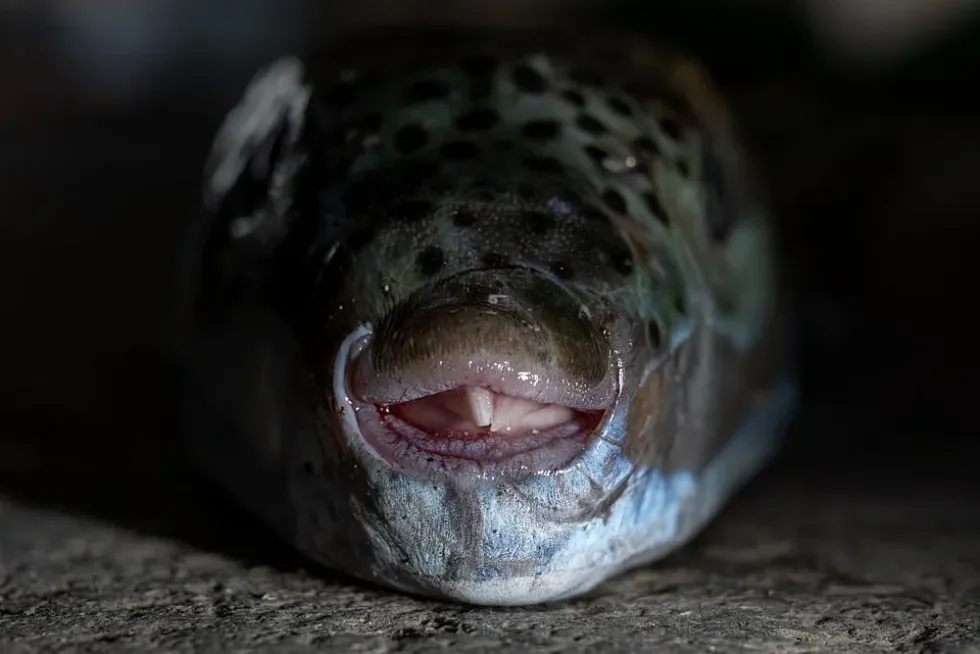 The silver-cheeked toadfish is a species of toxic pufferfish armed with deadly flesh and brutally sharp teeth | GETTY
Local diving instructor Nikos Choulieris expressed confidence the barriers would withstand the invasive fish.
"I don't think anything will be able to get through that net, not even the fangs of a pufferfish," he told The Guardian.
"It's very tightly knit and very durable."
The Hellenic Red Cross warned the fish's flesh contains tetrodotoxin, a powerful neurotoxin that makes it extremely dangerous to consume.
GREECE - READ THE LATEST:

Greek authorities have responded by installing floating safety barriers anchored to the seabed around the island of Evia
|GETTY
Officials said no part of the fish could be considered safe to eat because toxin levels vary throughout its body.
Although the fish does not inject venom through its bite, its powerful jaws can cause severe wounds and significant blood loss.
Anyone bitten is advised to clean the wound immediately before seeking urgent medical treatment, which may include stitches and a tetanus vaccination.
Research published in the journal Acta Ichthyologica et Piscatoria found the species has spread steadily across the Mediterranean since first being recorded there in 2003.
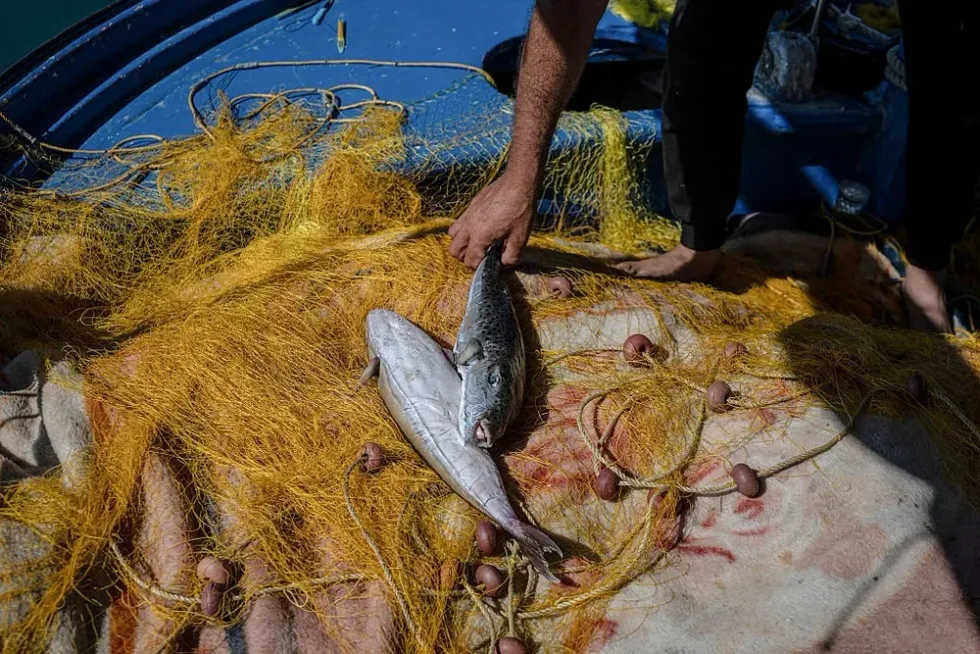
Greek authorities have introduced a bounty scheme paying fishermen €5.33 (£4.56) per kilogram of the fish handed in
| GETTYScientists said the fish has now reached the Adriatic Sea and warned it has displayed aggressive behaviour towards swimmers in the southern and eastern Mediterranean.
The invasive species is now firmly established in the waters around Greece, Turkey, Cyprus, Egypt, Lebanon, Malta and Tunisia.
Greek authorities have also introduced a bounty scheme paying fishermen €5.33 (£4.56) per kilogram for every silver-cheeked toadfish handed in.
The new measures come just weeks after a Greek pensioner was left hurt after a suspected bite in the coastal town of Varkiza, near Athens.
The elderly woman was attacked after the pufferfish reportedly lunged at her unprovoked - forcing her to hospital for stitches.