


Plans to build the first mosque in a city on the Japanese coast have sparked fury among locals.
Fujisawa, a relaxed coastal city roughly an hour south of Tokyo by car, has seen widespread protests and deep unease among residents since the proposals were launched.
Local Noriko Izumizawa said: "It makes me worry about how our community might change."
Thousands marched near the city's railway station earlier this year to oppose the planned construction, with objections that the mosque would dwarf a nearby Shinto shrine.
Ms Izumizawa is part of a contingent of residents unsettled by the area's growing Muslim community.
She said immigration debates in America and Europe had fuelled her concerns.
Mohamed Mohideen, a Sri Lankan businessman who has called Osaka home for 39 years, told the BBC that hostility towards Muslims has grown.
He said: "On social media, there are countless comments like, 'Get out of Japan' and 'Go back to your own country.' People have also started coming to the mosque and shouting abuse."
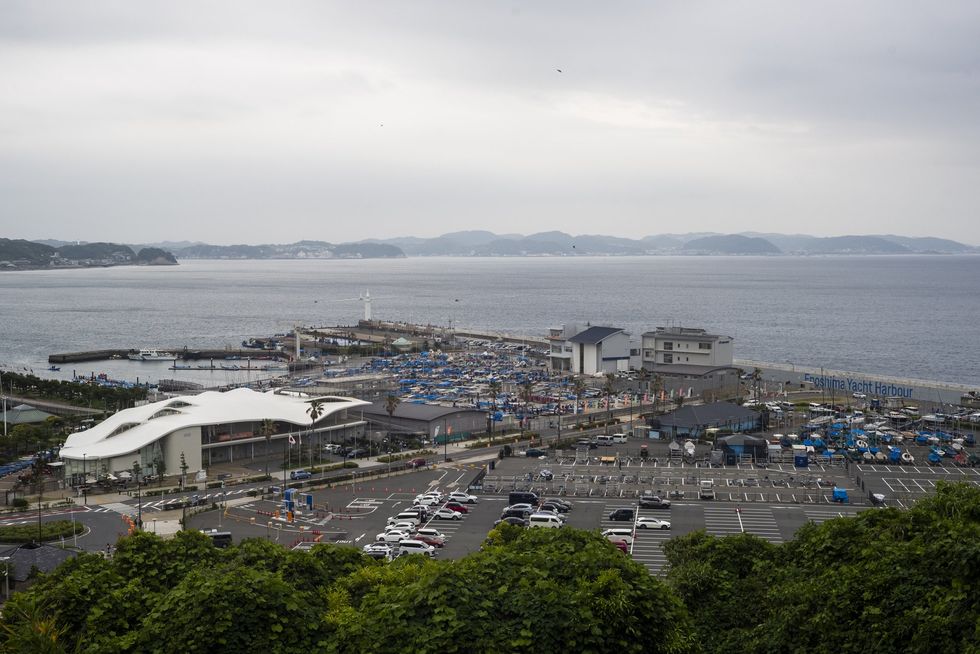
Plans to build the first mosque in a city on the Japanese coast have sparked fury among locals
|GETTY
Members of his community have been branded terrorists and accused of manufacturing explosives.
He said: "Now, I feel that people are afraid of us."
Japan's demographic pressures are the driving force behind these tensions.
The country's population shrank by close to one million in 2025, the same year its foreign resident numbers exceeded four million for the first time.
LATEST DEVELOPMENTS
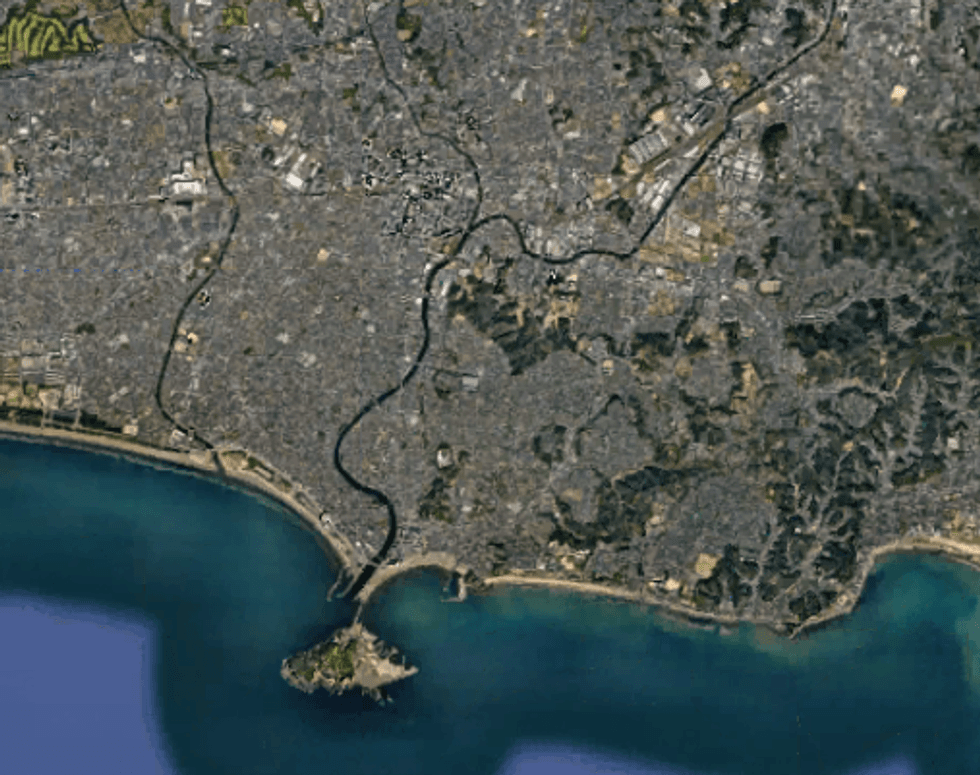
Fujisawa is a relaxed coastal city roughly an hour south of Tokyo by car
|A record 2.57 million of those residents are employed in the country, according to government figures.
The Muslim population has surged from approximately 230,000 in 2019 to around 420,000 by the end of 2024, according to Hirofumi Tanada, a professor emeritus at Waseda University.
Despite this growing reliance on overseas labour, Prime Minister Sanae Takaichi has maintained a firmly conservative position on large-scale immigration.
In June, her government quintupled visa fees for foreign nationals, the first increase in nearly half a century, and announced plans to bolster immigration enforcement staffing by roughly 230 personnel.
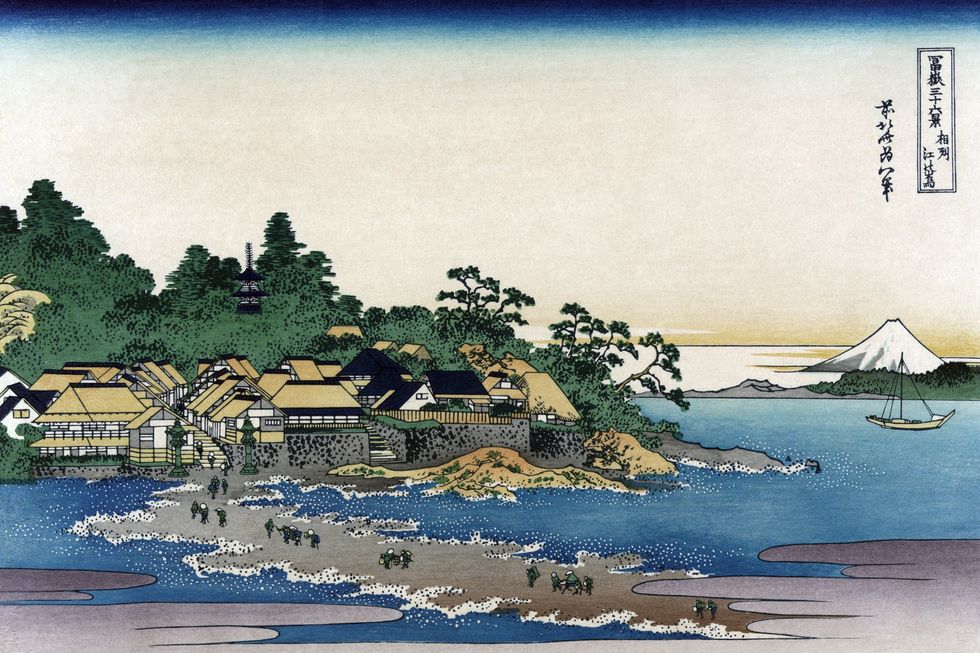
The village of Enoshima, which is now part of the city of Fujisawa
|GETTY
Mr Mohideen has criticised the muslim community for failing to integrate into society and for neglecting efforts to help Japanese people understand their faith and culture.
He said: "From now on, I want to work harder to increase dialogue and build better mutual understanding."
Shakeel Mohamed, a 61-year-old Pakistani who has represented the Yashio mosque in Saitama prefecture for a decade, stressed that adherence to local customs is paramount, from proper rubbish sorting to obeying parking regulations.
He told the BBC: "We make every effort to respect the way things are done in Japan and to follow the rules."