All three of the new Prime Minister's announcements are just more of the same, writes the independent economist and Economics Fellow at the IEA
Three days, three flashy policy announcements, and none of them amount to very much. It may be harsh to judge Andy Burnham’s premiership already, but so far it feels like business as usual.
First, VAT on electricity bills will be cut to zero for an initial six months. In a full year this might save the average household £45. However, Keir Starmer and Rachel Reeves had already switched £150 of costs from energy bills to general taxation.
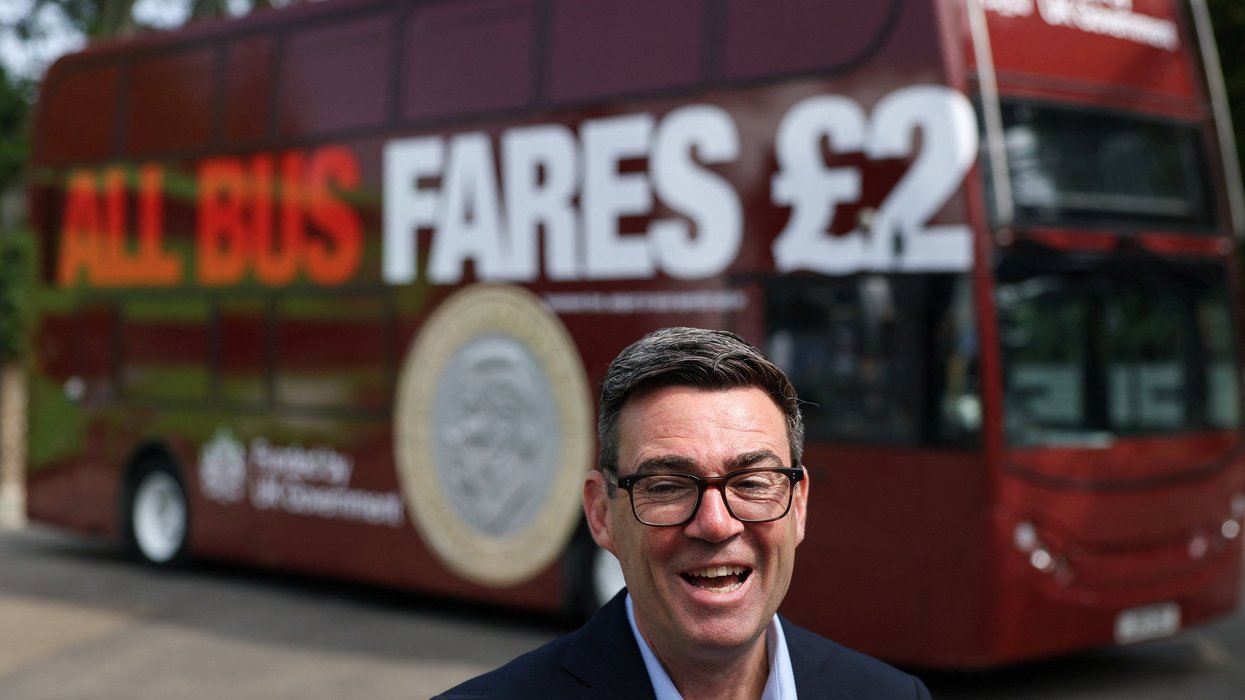
Second, most bus fares will be capped at £2 in England. This simply returns the cap to the level that Labour inherited from the Conservatives, before Starmer and Reeves increased it to £3.
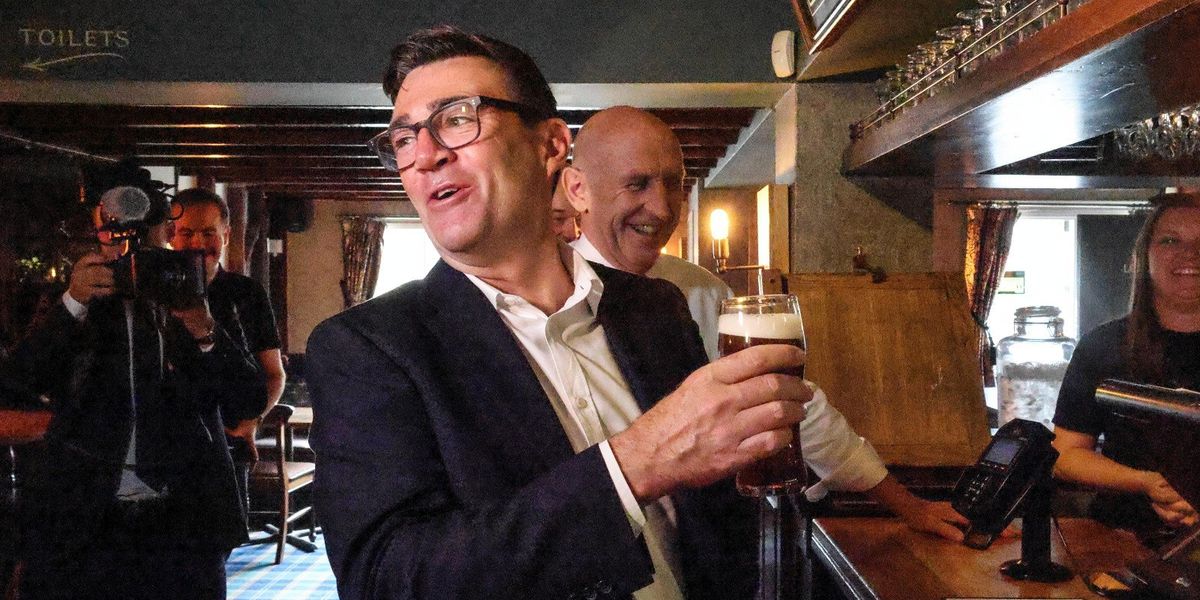
Third, business rates for pubs and live music venues will be cut by 20% in the next financial year. This is nothing new either. Starmer and Reeves had already reduced them by 20 per cent this year, although the new cut will be on top of that.
Of course, this might not matter if these were good policies. But none of them make a lot of sense.
Removing VAT from electricity bills is not a particularly effective way to tackle the cost of living crisis. In part this is because most of the savings will go to richer people whose bills are generally bigger.
Nor will this policy do anything to tackle the underlying reasons why UK electricity prices are so high – especially for businesses – or to provide help with gas bills.
It is a little easier to justify a lower cap on bus fares. But someone still has to pick up the bill for the difference – and in this case most of the costs will be met by taxpayers. Even the official impact assessments suggest that caps on bus fares are poor value for your money.
The reduction in business rates is another vibes-based announcement which will barely make a dent in the cost increases that pubs are facing, often as a result of other Government policies. It will also complicate the tax system even further.
The Government is proposing to pay for this cut, in part, by reviewing reliefs provided to “anti-social businesses, such as vape shops”. Obviously, the state should crack down on illegal activities that may take place in vape shops (or anywhere else). But selling vapes is not "anti-social".
Needless to say, the government is still hoping that these announcements will be popular. They are the sorts of policies that often score well in opinion polls, but only when voters are not made aware of the costs.
The bigger picture is that inflation is caused by too much money chasing too few goods and services, and that the government’s finances are in a mess.
Tinkering with a handful of prices while subsidising demand is no substitute for sound money and fundamental reforms that make the economy more productive.
In the meantime, the drip-feed of announcements in the last few days may just be an appetiser before yet another tax-and-spend Budget in the autumn. So far, the Burnham Government has failed to show it has anything else to offer.