Thank you for subscribing!
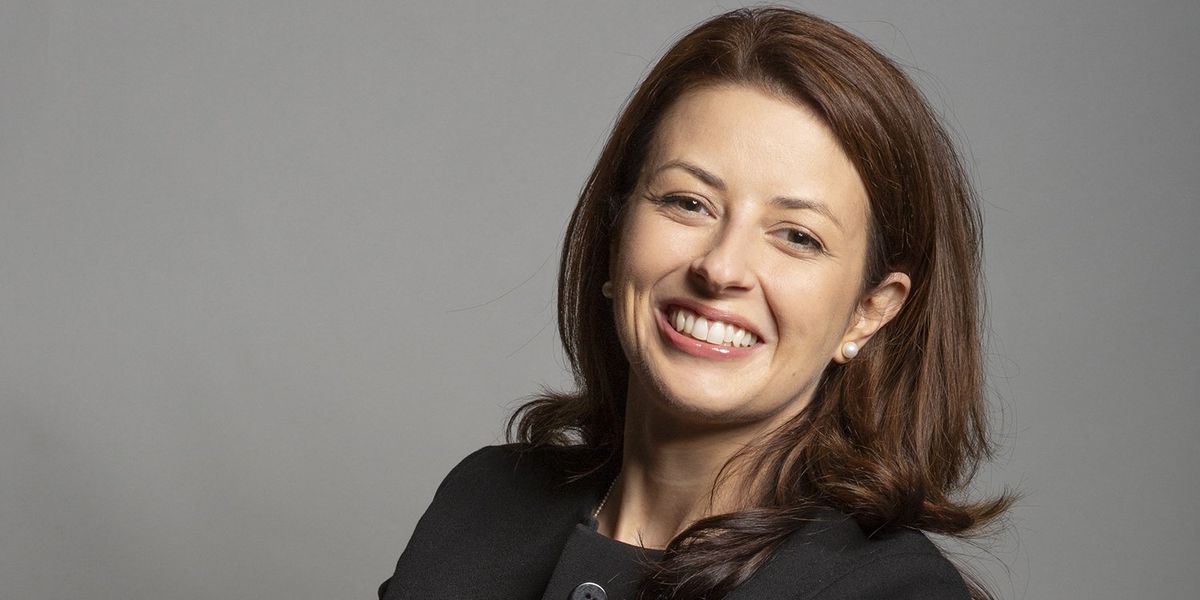
Tory MP Bob Blackman has urged Andy Burnham to send a powerful message to the Iranian people
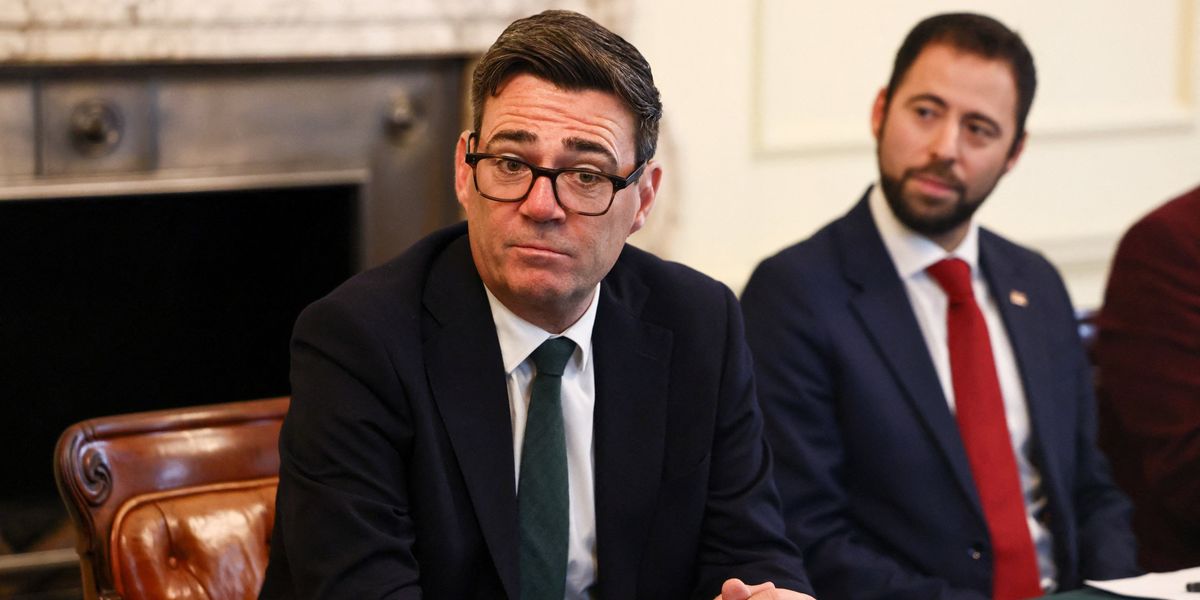
Prime Minister Andy Burnham recently indicated that he will likely use this month’s United Nations General Assembly as an opportunity to meet allies and exert pressure on the White House over future support for Ukraine’s national defence. It is an admirable use of his new position and a valuable opportunity for Burnham to expand his international influence. However, as he prepares for his first state visit to the United States, he has a responsibility to broaden his focus far beyond the issue of Russian aggression.
The war in Ukraine is, after all, not the only current conflict involving a long-time British ally. War with the Islamic Republic of Iran has now been proceeding, off and on, for more than six months, underscoring the depth of the threat that Iran’s Islamist dictatorship poses to Western powers, the broader international community and its own people. Petroleum markets and international shipping continue to suffer the consequences of the Iranian regime’s belligerence and expansion of the war across the region, while the regime uses the ongoing conflict to justify an escalating campaign of violent repression and politically motivated executions within its own borders.
It is every bit as imperative for the United Kingdom to help resolve these crises as it is for Britain to continue contributing to the collective defence of Ukraine. Yet the issues surrounding Iran have received comparatively little attention in Western policy discussions, even as Iranian dissidents and advocates for democracy have called for international support and a reassessment of existing policies towards the Islamic Republic.
Those calls for help will be repeated against the backdrop of the UN General Assembly on September 22, when thousands of Iranian expatriates are expected to gather in front of UN Headquarters in New York City to draw attention to a wave of political executions unseen in the past three decades. They will call for urgent international action to hold the regime accountable for these executions and for practical steps by the international community. The demonstration is being organised by the National Council of Resistance of Iran, and there is no doubt that many of its participants have been personally affected by the consequences of this pattern of repression over the years.
The NCRI is a pro-democracy coalition, with Maryam Rajavi as its president-elect. The leading Iranian opposition movement, the People’s Mojahedin Organization of Iran, is the leading member organisation of the NCRI.
In the summer of 1988, the PMOI, also known as the MEK, became the main target of a systematic massacre of political prisoners that is estimated to have claimed around 30,000 lives. At the time, activists called on the international community to exert pressure on Tehran to halt the executions, but the international community largely turned a blind eye. The episode soon set the stage for a pattern of political repression that continues to the present day.
This past January, when millions of Iranians poured into the streets calling for freedom and regime change by the people themselves, authorities opened fire on protests across the country, killing thousands in the streets in a matter of days, just as their predecessors had done over the course of three months within the confines of Iran’s prison system.
Although the United Kingdom joined various allies in condemning the regime’s crackdown on the January uprising, its leadership has seemingly allowed that crackdown to fade from memory, even as it has continued in different forms.
The climate of repression in the Islamic Republic is now the worst it has been since 1988.
Since the start of the Iranian calendar year in March, there have been 40 political executions involving PMOI members and protesters arrested during the January uprising for vaguely defined “crimes” such as “enmity against God” and “spreading corruption on Earth”.
Those same charges once provided the justification for the 1988 massacre, so it comes as little surprise that many of the recent executions, and many of the dozens that are still pending, involve defendants who have expressed support for the PMOI and its vision for a democratic alternative to the mullahs’ regime.
The execution of political opponents is not an internal matter. It is an assault on the most fundamental principles of human rights and human dignity.
Prime Minister Burnham and other world leaders should use this year’s United Nations General Assembly to place the regime’s wave of political executions squarely on the international agenda and hold Tehran accountable for its conduct.
There could be no more appropriate venue than the UN General Assembly for democratic leaders to speak with one voice in defence of those facing persecution for their political beliefs. Doing so is not only strategically wise; it is morally imperative.
It would send a powerful message of solidarity to the Iranian people, who continue to fight courageously to free their country from the yoke of tyranny and secure a democratic future.