Unlike his predecessor, Burnham is anything but wooden and dull, writes political commentator Rakib Ehsan
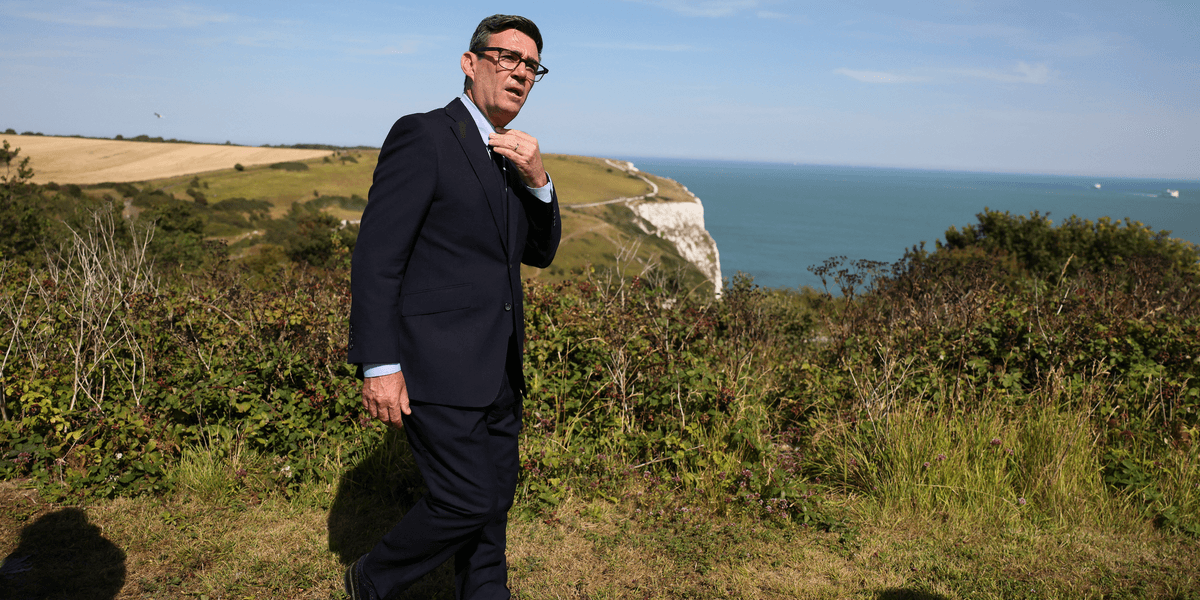
There is no doubt that Andy Burnham – who not too long ago wasn’t even a MP – has started his prime ministership in a lively and confident fashion.
Unlike his predecessor at No10, Sir Keir Starmer, Burnham is anything but wooden and dull – his affable northern charm plays an integral part in making him an effective media operator (a huge asset in an era of political communication).
He has also made a number of cost-of-living announcements, including scrapping VAT on domestic electricity bills, reducing business rates for pubs and capping bus fares in England.
Burnham has also launched a much-needed overhaul of England’s adult social care system – looking to establish a National Care Service which is highly integrated with the NHS.
This ‘integration revolution’ in the area of health and social care is long overdue and if he is given the time to achieve this, he will surely go down as one of the greatest prime ministers in modern times.
However, if Burnham wishes to neutralise the electoral threat of Reform UK – especially in Labour’s traditional working-class heartlands which leaned in favour of Brexit – then he must get to grips with the ongoing small-boats emergency.
In a recent interview which is doing the rounds on social media, Burnham – usually at ease and polished with his words – seemed a bit uneasy.
Many who have watched it would have been left bemused by the PM’s word salad which achieved little in the way of convincingly fleshing out practical measures to tackle illegal immigration.
From Wednesday to Saturday last week, 1,150 migrants arrived in the UK by crossing the English Channel on a small boat (fourteen boats in total).
On July 29 alone, 752 small-boats migrants entered the UK without official permission to do so.
Immigration and asylum continue to rank highly when the British public is asked what they believe are the most important issues facing the country.
Burnham has looked to burnish his localist credentials since entering No10, speaking the language of place-based pride.
But the reality is that the small-boats crisis - including the dispersal of usually single younger males from countries such as Afghanistan, Eritrea, and Sudan into areas which are ethnically, religiously, and culturally homogenous – has been hugely disruptive for local civic life in such parts of the country.
Enjoying a peaceful community life is an important ingredient of having a healthy standard of living – if a political leader truly understands this, he or she will do their utmost to get to grips with the ongoing small-boats emergency.
Burnham is a generally smooth political communicator and his grand devolution agenda shows that he can be mission-oriented – but will the small-boats crisis on the English south coast prove to be the chink in the King of the North’s armour?
Making a snap assessment of how he is settling in at No10, it would not be unfair to say that immigration is emerging as a weak spot – indeed, it could turn out to be Burnham’s Achilles’ heel.
The new PM has his finger on the pulse of the nation over a number of important matters – especially the need to disperse decision-making power from Whitehall and reindustrialise forgotten communities left battered by the brutal winds of free-market globalisation.
But if Burnham wants a lengthy period at No10, he must go beyond his comfort zone and drive forward a robust plan for fixing the UK’s dysfunctional migration system, which is very much stretching the country’s social fabric.