The Prime Minister is trying to achieve social care reforms his predecessors ducked, writes GB News commentator Nigel Nelson
It was compulsory at my school to serve two years in the army cadet force each Friday unless you could come up with a persuasive conscientious objection not to. It was almost like junior national service.
At the end of that period, you could either continue as a cadet or do community service. I opted for community service.
I never took to marching round a parade ground or the short hair or taking orders from teachers masquerading as army officers. The final straw was camouflage training when we were sent out to see how well we could hide ourselves.
So well, in fact, that my friend and I were never found. As a result, we were late for afternoon lessons.
We were expecting praise for our success at concealment but instead got torn off a strip for not revealing ourselves. There is no pleasing some people.
So, community service it was. Activities ranged from keeping lonely elderly ladies company to holding debates on current affairs for long-term – and mostly lifelong – inmates of the local psychiatric hospital, a Victorian monstrosity well past its use-by date.
In those days incarceration took precedence over treatment. These sessions were always spirited events and, on occasion, distressingly violent ones requiring the intervention of hospital staff.
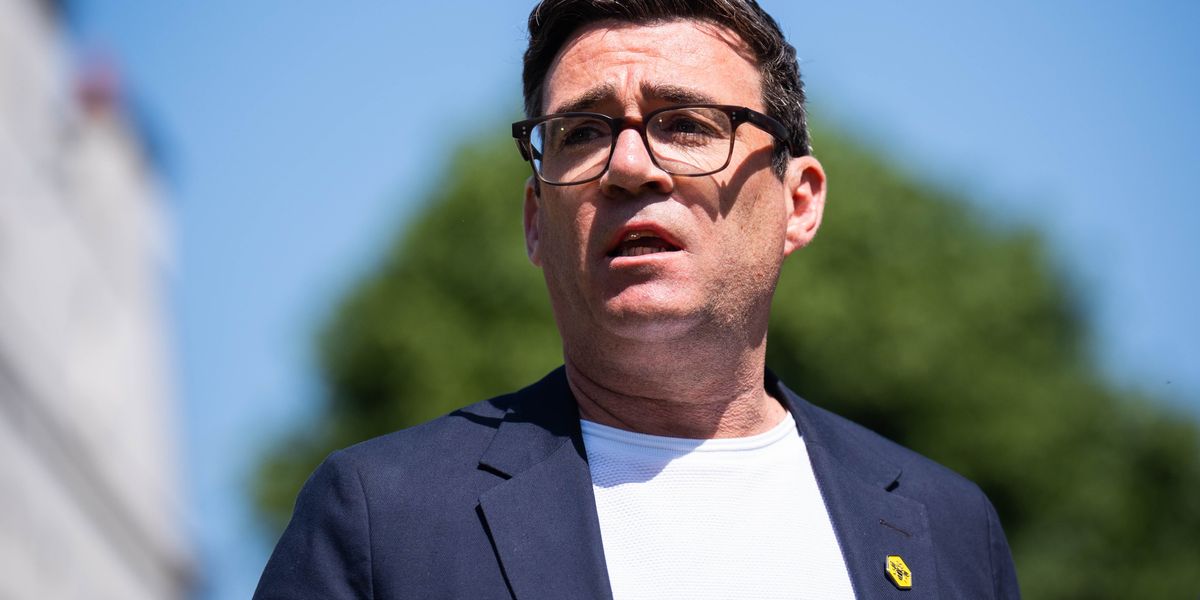
Yet all those experiences brought home to me at an early age just how much society neglects those left on its margins. Little seems to have substantially changed. Which is why Andy Burnham grasping the nettle of social care should be welcomed.
Six previous prime ministers promised to do that but gave up when they found it too difficult. The Dilnot Commission came up with recommendations for change way back in 2011, although the report was shelved.
Baroness Casey’s current review was not due until 2028. Mr Burnha has ordered her to bring that forward.
He says he is fed up being told what cannot be done. The political establishment must now knuckle down and get on with doing it.
This is going to be a mammoth and expensive task, but the can cannot be kicked down the road any longer. One in 10 over-65s now face care costs of £100,000, and there will be 1.3 million more 80-year-olds by 2030.
There are 14,000 hospital beds occupied by people who do not need them if only they had somewhere else to go, a 70 per cent rise since 2021. If an already struggling NHS is not to collapse under the strain, then it needs a national care service running alongside it.
"Broken social care is the biggest cause of corridor care in the NHS," Mr Burnham told the BBC's Laura Kuenessberg.
We don't know yet how Mr Burnham intends to find the £18billion needed to fund this, but he has given a clue in the past – replacing inheritance tax with a national care levy.
IHT brings in £9billion a year, and if the levy were set at 10 per cent for all estates, that should give him double this figure.
Opponents dub it a death tax, which, of course, it is, but then so is IHT, and there will need to be exceptions – couples, for instance – so that one partner does not lose their home when the other dies.
But then family homes have to be sold to pay for care under the present system, so, as with all tax reform, there will be winners and losers.
Mr Burnham says he is prepared to invest "whatever political capital" is needed to get this through. Translation: be unpopular.
However, if Mr Burnham can achieve what his predecessors ducked, he will have a lasting legacy.