Thank you for subscribing!
Demonising sugar and salt won't solve childhood obesity, writes a journalist and mother
Have you ever tried 'low-sugar baked beans'? To say they're an insult to the taste buds is putting it mildly – in fact they're disgusting. My 6-year-old came home today with the new school menu in his bag.
Here are some of the options: root vegetable curry, halal grilled sausages, couscous and Turkish salad, spanakopita, mango labneh cheesecake. The menu is heavily skewed towards vegetarian options, with many foreign dishes. It's also entirely Halal-compliant.
The one thing kids are good at, is YUCK. If a young child doesn't like something they'll pull a face, make a noise, and push away their plates. I predict there are going to be a lot of hungry children over the next few weeks, as they adjust to the Government's bombshell healthy eating initiative.
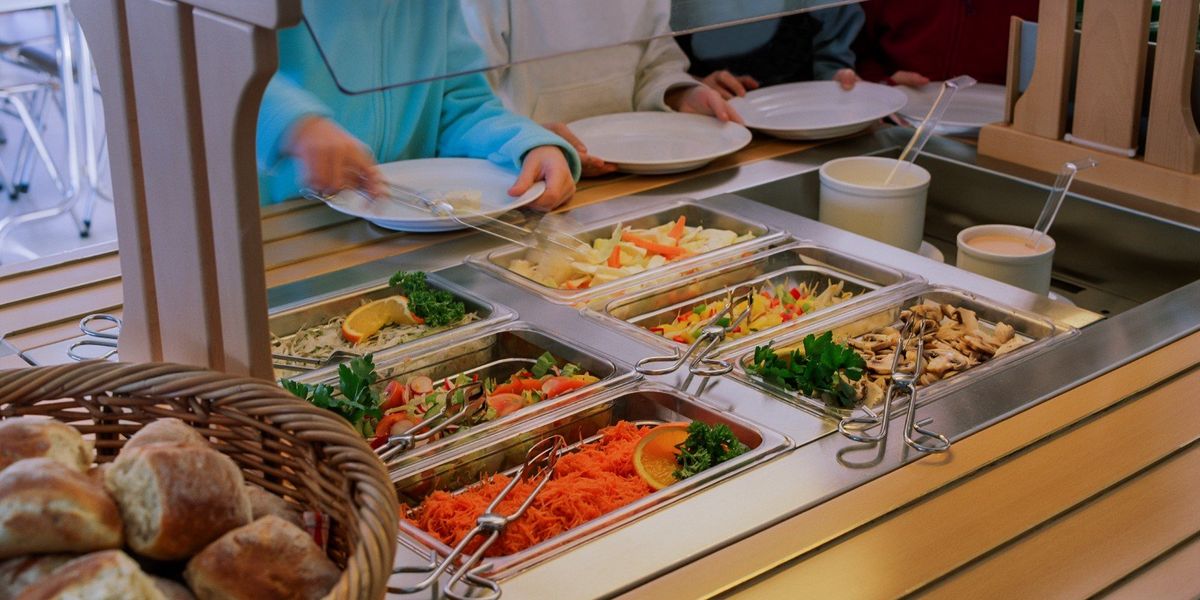
The new standards from the Department for Education announce: 'Sugary foods such as ice cream and waffles will be restricted, while deep-fried foods are cut. Foods high in fat and salt such as pizzas and sausages will also have to be limited. More fibrous wholegrains and pulses will be required on menus, and a portion of vegetables or salad should accompany every main meal.'
The DfE doubtless have good intentions, but if you introduce a menu that children won't eat, it's pointless.
Which is why the new healthy school menus, unveiled to great fanfare this week, have many parents shaking their heads in despair. Already I'm hearing from friends that their kids are demanding packed lunches, which can be stressful to prepare every day, and an added expense for families. The whole point of free school meals was to level the playing field, relieve the cost on hardworking families, and ensure every child got a nutritionally balanced hot meal at least once a day.
There's no question that we have a problem in child health: one in every three children is leaving primary school overweight or obese, and tooth decay is the leading cause of hospital admissions for youngsters aged five to nine. For many children, school lunch is the only good food they get. Whether it's due to poor parenting, lack of time to cook from fresh, or the cost of living, British diets are failing our kids. Teachers are reporting that young children starting reception cannot use a knife and fork because they only eat takeaways at home, or they're simply snacking on crisps, chocolate and fizzy drinks.
But are these latest Government standards really the answer? It's sad to see the new menus erase some of the great British school traditions. No fish and chips on a Friday? No jelly and ice cream? Fish and chips isn't inherently unhealthy, in fact fish is packed full of healthy Omega-3 fats, and potatoes are a valuable source of Vitamin C. Add a serving of carrots and peas on the side and you have a healthy meal.
Why not use school meals as a way of educating children? Nutrition is essential for young, developing brains and learning to cook healthy meals is the perfect teaching opportunity. Instead of serving them up indigestible lumps of legumes and pulses, why not get them alongside the school chefs in the kitchens and show them? Baking their own bread, chopping veg for curries and fruit for fruit salad, making carrot cake or banana bread for treats. When you give children the chance to taste and experiment and cook themselves, you give them a skill for life. Less obesity, less junk and less reliance on Deliveroo.
And it's not just their physical health: spiralling levels of depression and anxiety disorders among young people are closely linked to poor nutrition. When kids eat well, they're ready to learn – but a poor quality diet exacerbates low mood, poor concentration, impaired attention span and other educational difficulties.
Given the current mental health crisis among young people, we need to strike a balance. Demonising specific foods as 'bad' is not helpful. Sugar, salt and fat are not always the enemy; rather, as occasional treats, they can be part of a balanced diet.
Even world-class nutritionists occasionally allow themselves a slice of cake, because they know 'a little of what you fancy does you good.' On the other hand, when you try to eliminate all 'bad' foods, you end up deprived and craving.
The reason strict diets tend to fail is because they're punitive and restrictive. You end up feeling miserable and hungry for all the 'banned' foods. We should not demonise foods as unhealthy; far better to explain to children that sweet options are occasional treats. We already have an epidemic of eating disorders among young people, and banning or demonising certain foods can lead to further disordered habits, anorexia, bulimia and binge eating.
Ever since Jamie's school dinners and the infamous Turkey Twizzlers, we've known that school lunches were under-funded and often over-sugary, salty and deep-fried. Until recently, we had more regulations around dog food than we did for children's school dinners. I applaud the Government's determination to overhaul nutritional standards, but they've gone about this all the wrong way. The critics are crying 'too much Nanny State', the parents are stressed, and the children are annoyed.
Then again, maybe it doesn't matter. If you've ever looked at your own kitchen after your kids have eaten, you'll know that a lot of it ends up on the floor. I can only imagine the scenes in school lunchrooms over the next few weeks, as they sweep up the healthy lentils, chickpeas and halal curries. What a mess, from every point of view.