Germany’s experience offers Britain a clear warning, writes the US columnist
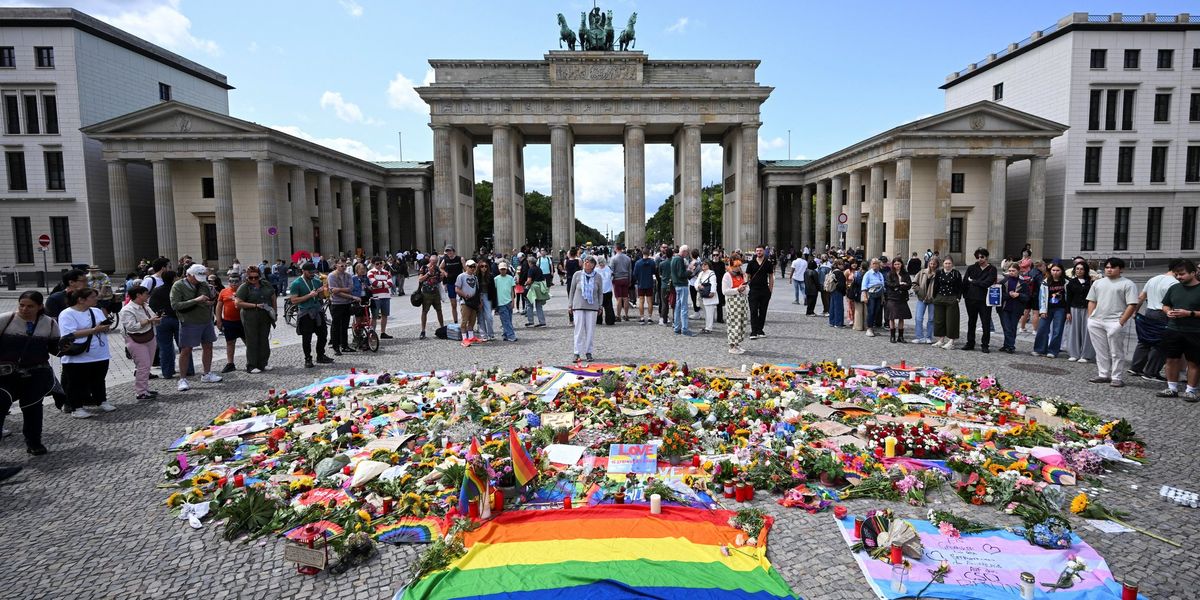
A known Islamist radical drove a van into crowds enjoying Berlin’s Christopher Street Day celebrations, then attacked survivors with a machete. One woman is dead. Twenty-nine others are injured, some critically. Labour MPs such as Kate Osborne blame Reform UK and GB News. Sadiq Khan expresses shock but cannot bring himself to say “Islamist” or express concern over people who hate LGBTs and Western tolerance.
The perpetrator, Abdul Ballout, a 21-year-old German citizen of Lebanese heritage, was already known to authorities. He had attempted to join Islamic State, accumulated a criminal record, and was only loosely supervised under a deradicalisation programme he had barely begun. German officials have correctly described this as an Islamist terror attack. The question now is whether Europe, and Britain, will finally draw the obvious conclusions.
How many more such tragedies will it take before leaders on your side of the Atlantic heed America’s repeated warnings?
Failed integration and porous borders are not abstract policy debates. They are deadly. When governments import large numbers of migrants with insufficient regard for assimilation, vetting, or cultural compatibility, they create the conditions in which extremism takes root.
Ballout was born in Germany after citizenship rules were relaxed in 2000. He was radicalised within its borders. The system that naturalised his family, tried him leniently as a youth offender, and released him despite terror links proved incapable of protecting the public.
This is the foreseeable consequence of placing migrant interests above citizen safety. Generous asylum policies, “toleration” status for rejected claimants, and reluctance to deport have left dangerous individuals embedded in European societies.
Foreign nationals now make up a disproportionate share of prison populations across the continent. Repeated attacks — whether in Berlin, Manchester, or quiet German towns — reveal the same pattern: perpetrators often known to authorities, radicalised, and inadequately restrained.
Each time, the response follows a familiar script: condolences, half-mast flags, and swift warnings against “politicising” the tragedy.
Such admonitions are not neutral calls for unity. They are attempts to shut down legitimate debate. In the hours after the Berlin attack, some voices instinctively deflected toward the far-right rather than the Islamist ideology that drove the killer or the policy failures that enabled him.
This grotesque inversion — blaming conservatives who highlight integration breakdowns rather than the perpetrators and the multiculturalism experiments that empowered them — has become a ritual. It prioritises the sensitivities of migrant communities and elite progressive commitments over the elementary duty to secure the lives and freedoms of existing citizens.
As an American deeply concerned about the trajectory of Western Civilisation, I have watched this European tendency with deepening concern. The United States learned through bitter experience that ideological threats require clear-eyed resolve. Secure borders, rigorous integration demands, and unapologetic defence of Western values are hardly reactionary. They are strategic imperatives.
Britain and America built the modern world through institutions grounded in shared identity, sovereignty, and confidence. When European governments erode that confidence by treating national self-preservation as suspect, they strike at the heart of Civilisation at a moment when credible deterrence against authoritarian and Islamist aggression has never been more vital.
Britain knows the cost intimately. From grooming scandals to repeated terror incidents, the same reluctance to enforce borders and integration standards has produced avoidable suffering. The constitutional inheritance that defines Britain — parliamentary sovereignty, ordered liberty under the Crown, a cohesive national identity — depends on a people secure in their shared way of life. Mass migration without assimilation strains social cohesion, public services, and democratic legitimacy. It tests the resilience of institutions that have endured for centuries. Conservatism worthy of the name seeks to preserve what works, not to manage decline through ever more surveillance and platitudes.
Progressive ideology has often treated national identity and border control as outdated prejudices rather than essential safeguards. This mindset inverts priorities: the rights and sensibilities of newcomers are elevated while the security and cultural inheritance of citizens are downplayed.
The result is not greater tolerance but parallel societies in which extremism can flourish. Public trust erodes. Political forces that speak plainly about these failures gain ground not because voters have grown extreme, but because governing elites have refused to confront reality.
Relaxed citizenship laws, weak enforcement of deportation orders, and youth justice leniency created space for Ballout to act. Similar choices produce similar outcomes.
America’s counsel to its closest ally remains consistent: nations that cannot control who enters their territory and who belongs within it cannot long maintain the free societies worth defending.
The victims in Berlin deserve justice, not another cycle of denial. Europe and Britain face a choice. They can continue experiments in multiculturalism that subordinate citizen safety to migrant optics, or they can reclaim the hard-edged realism that sustained Western civilisation through greater trials.
America, especially under Trump, supports the latter course. But Britain must first decide that its own people come first. Sovereignty and security are not optional. They are the foundation upon which every other freedom rests.