The Channel is simply the final short hop after the real breach has already occurred elsewhere, writes the US columnist
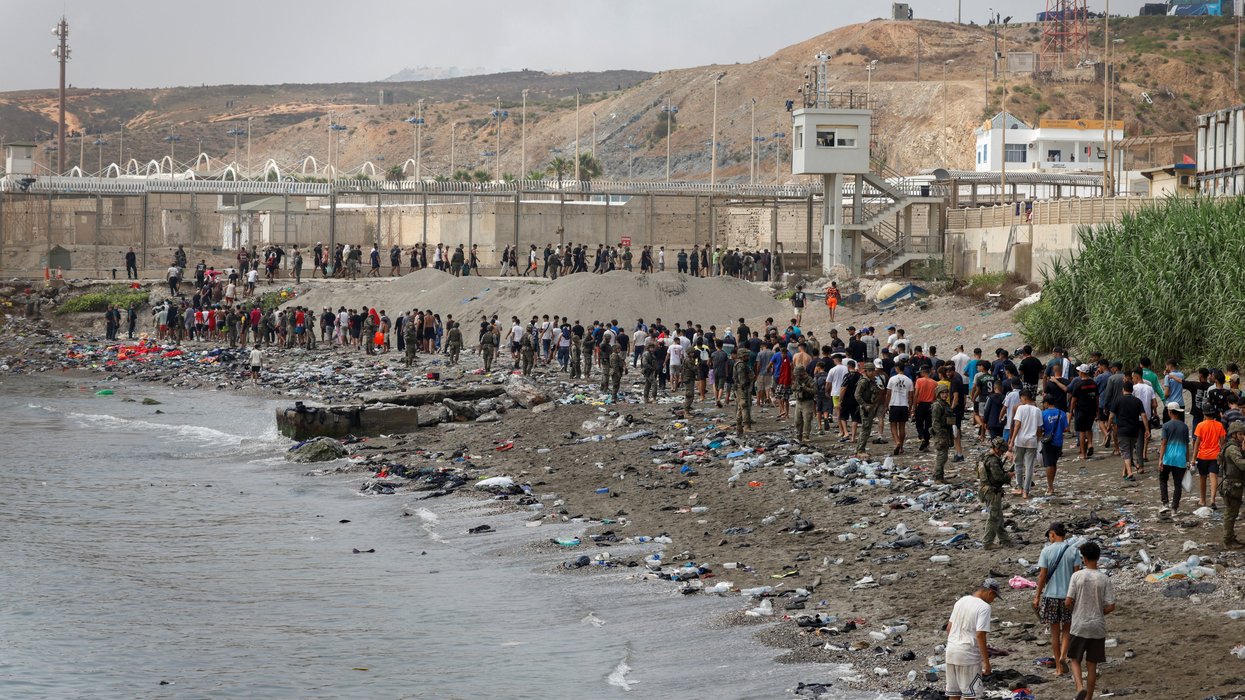
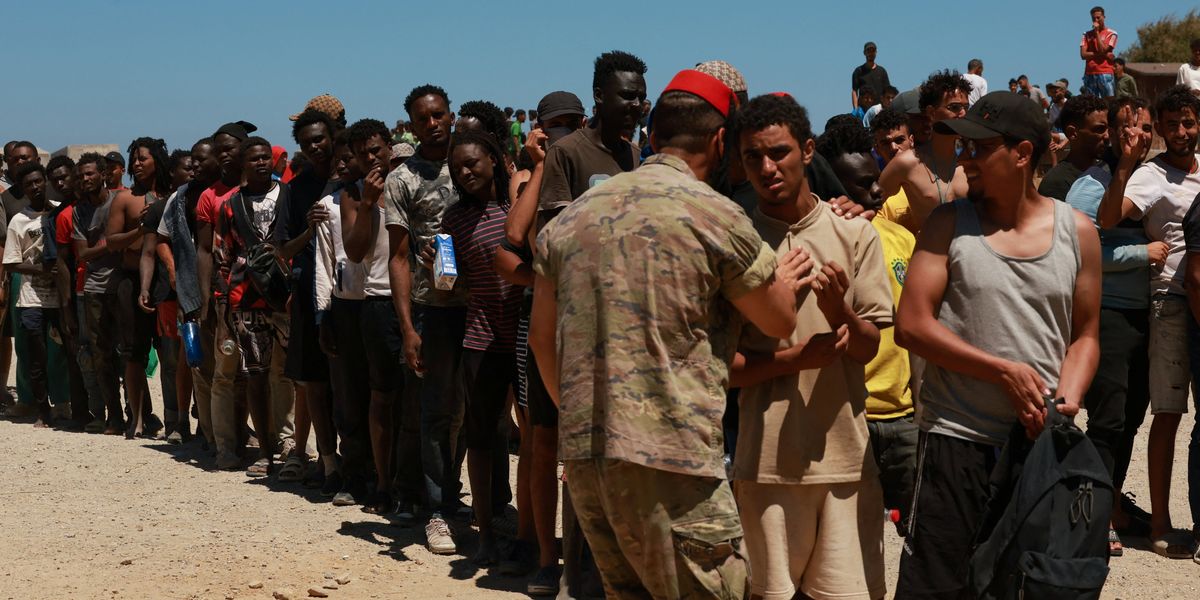
The pictures from Ceuta this week should have stopped every European cold. Tens of thousands of mostly young men surged across the Moroccan border into the tiny Spanish enclave in a matter of hours. Donald Trump, watching the footage, called it exactly what it was — “a catastrophe”.
The enclaves of Ceuta and Melilla were always the weak points waiting to erupt. This week they did.
Only days earlier, Trump had delivered a more specific warning, and he delivered it on GB News. In an interview with Bev Turner in the Oval Office on July 29, he said the migrant crisis is “killing your country.”
The arrivals, he added, are coming from all over the world: “They’re invading Europe… and the UK is a prime suspect.” Some dismissed the remark as typical Trump. Ceuta has now turned it into prophecy.
This is yet another obvious-to-most issue on which Donald Trump is spot on. Tragically, as is normally the case, we can be confident that most British and European politicians will do almost nothing of substance to deter or remove the economic migrants who make the journey.
The pattern is by now familiar. Soft language, endless dithering, and a quiet preference for managed decline over hard choices. The result is that the people who arrive illegally continue to arrive, while the leaders who should stop them continue to look the other way.
From across the Atlantic, it is agonising to witness the huge price Britons are paying for a political class that appears to neglect its own people while facilitating those who exploit them. The same progressive instincts that treat national borders as an embarrassment treat the defence of those borders as somehow morally suspect.
In Spain, the Government went further: by normalising the status of people already inside illegally and advertising openness, it actively increased the draw.
Even when the Home Secretary announces new measures, the practical effect is often the opposite of what is claimed: additional “safe and legal routes” and community-sponsorship schemes that risk accelerating the arrival of people the public does not want, while the rights of migrants — including those with criminal records — continue to outweigh the safety of British women and children. Until that perverted priority is reversed, the boats will keep coming and the warnings will keep being ignored.
Britain under Andy Burnham is still treating the Channel as somehow “trickier.” More than two thousand illegal migrants have crossed in small boats since he entered Downing Street on 20 July — including a single-day peak not seen this year.
The Government prefers to emphasise that overall numbers are lower than last year, yet the long-term total remains extraordinarily high by historical standards and the daily reality on the Kent coast has not changed. Home Secretary Shabana Mahmood has publicly dismissed Spanish-style pushbacks. The Prime Minister himself has barely addressed the subject since taking office. That silence is not accidental. Immigration is the issue that can shatter the electoral coalition he is trying to hold together. Avoiding it may feel safer in the short term; it is politically fatal in the longer run.
Once people cross any European frontier, they rarely stay put. A borderless interior means the destination is almost always where welfare systems are more generous. Britain may sit outside Schengen, yet the same dynamic drives the small boats: the Channel is simply the final short hop after the real breach has already occurred elsewhere. The financial, security and societal toll of absorbing the inflow is unbearable.
There is however, still hope. Nigel Farage has been saying for years what Trump told GB News last week and what Ceuta has now illustrated in real time: borders must be defended with force if necessary, illegal entrants must be detained and removed, and political leaders who treat the issue as a public-relations problem rather than an existential one must eventually be replaced.
In direct response to the Ceuta surge, Reform has now set out a clear plan to make the English Channel impenetrable. It proposes the largest military operation in those waters since the Second World War — using the Royal Navy, Marines, RAF and Army under a joint command to intercept every unauthorised vessel, provide basic humanitarian care, and return the occupants to France or Belgium. The party is prepared to pass emergency legislation if needed. Operation Fortress, as it is now known, would be the most decisive break with the status quo offered by any major party.
The next election is shaping up as a binary choice between continuity of decline and a decisive break. Europe has spent more than a decade trying to sustain the unsustainable. The public concluded years ago that the experiment cannot continue.
The Ceuta invasion is not a Spanish story that Britain can watch from a safe distance. It is the clearest possible confirmation of the warning the American president gave Britain on its own airwaves — and with EU emergency talks on migration due on August 5, the pressure to act has never been higher.