Thank you for subscribing!
Social integration expert Rakib Ehsan writes about what the Home Office's guidance says about the UK
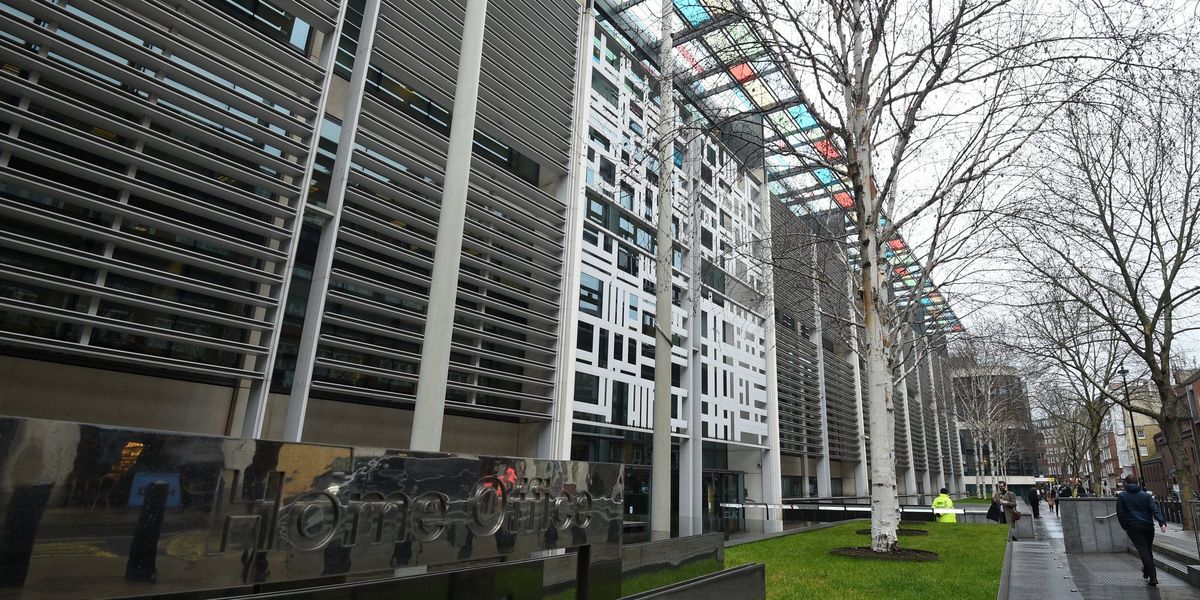
In what can only be described as a depressing and sorry stage of the UK’s ongoing migration crisis, the Home Office has issued guidance to asylum seekers – warning them about what constitutes child sexual abuse, rape, and domestic abuse in the UK.
The document also refers to equality of the sexes, stating that if an asylum seeker treats someone unfairly on the grounds of their gender, this “is not acceptable here” and “can be against the law”.
Following closer inspection of the guidance issued to asylum seekers by the Home Office, what is especially striking is the weak and passive language used.
When stating the consequences of raping someone in the UK, the guidance says that an asylum seeker could go to prison if they commit such a crime.
While the booklet in question states that domestic abuse is illegal in the UK – including forms of physical and mental abuse – it ‘warns’ asylum seekers that if they do any of these things, they may lose their asylum support.
Surely the Home Office should be using more assertive and forceful language if it is warning (disproportionately male) asylum seekers of the consequences of raping and domestically abusing a woman or girl in the UK, threatening removal from our country and deporting them to their country of origin?
This feeble guidance once again makes the UK Government look like a soft touch when it comes to migrant criminality.
The guidance that has been produced by the Home Office is also telling, as it represents an official admission of the threat posed by the ongoing small-boats emergency to public safety in modern Britain.
GB News has led from the front on this issue, reporting on the many cases of violent criminality committed by asylum seekers – many of whom are clearly illegal migrants who are far from being the world’s most persecuted people.
This channel has given writers like me the licence to flag how the UK’s illegal immigration crisis has undermined social cohesion and public safety – risking the security and wellbeing of British women and girls in their own local communities.
It is no surprise that the Home Office has been left with no choice but to issue this guidance – but it is so timid, it will do little in terms of restoring public confidence in the asylum system.
Those who have warned about the risks of cultural incompatibility and failed integration connected to the UK’s migration crisis have all too often been derided as narrow-minded xenophobes – provincial Little Englanders who need to be ‘educated’ on their responsibilities to the wider world.
The Home Office’s asylum-seeker guidance, however, vindicates them and reveals that they were right all along.
But this guidance will achieve little to nothing in terms of making our society a safer one.
What is required is a radical overhaul of our immigration and asylum policies – even if this means withdrawing from the European Convention on Human Rights (ECHR) and reforming our existing human rights legislation.
The UK’s refugee policy should ultimately focus on providing humanitarian support to countries which are near conflict-affected territories and dealing with large influxes of refugees.
The UK’s asylum system, at most, should provide sanctuary to a select number of political dissidents and social activists who have demonstrated their commitment to Western liberal democratic values through their socio-political activities in their country of origin – prioritising women and girls under this model.
The Home Office’s recent guidance to asylum seekers is wholly insufficient, to the point of it being a national embarrassment – it is time the British state truly recognises the threats posed by our migration crisis by putting national security and public safety at the very heart of the asylum system.