Bombshell new data has revealed just how many asylum seekers have been sent back
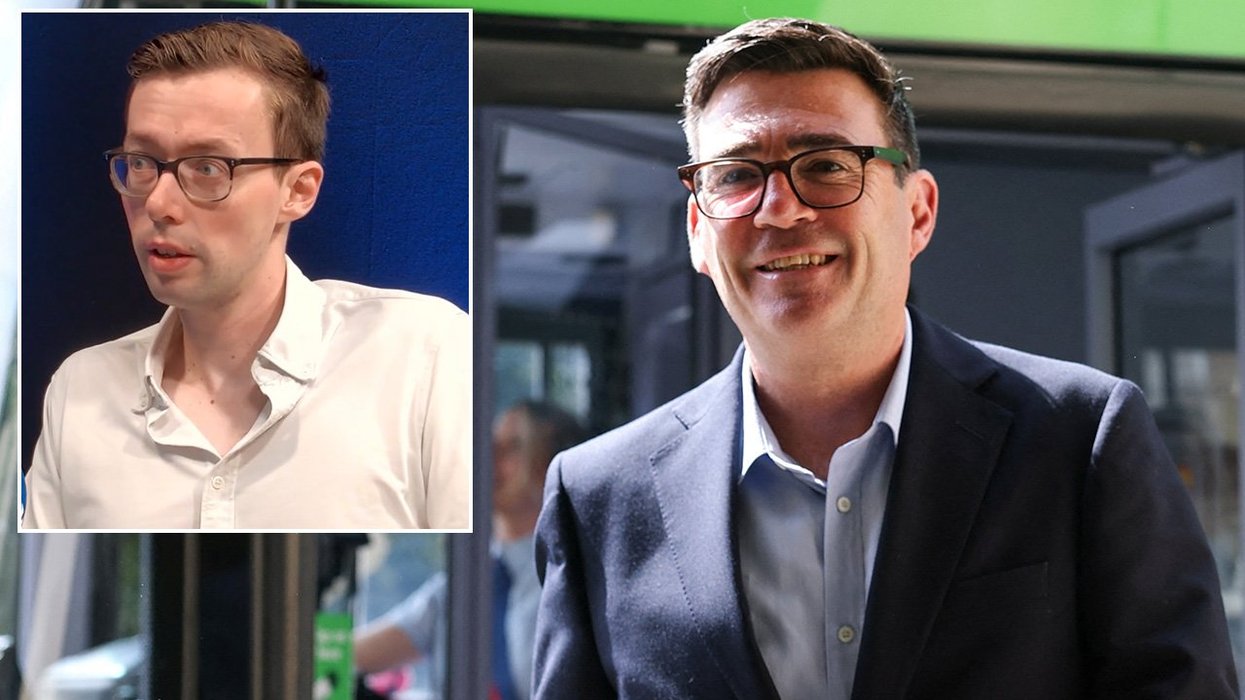
Andy Burnham’s plans for a closer relationship with Europe could face a major challenge over immigration, with new figures raising questions over whether EU cooperation would significantly improve the UK’s ability to remove illegal migrants.
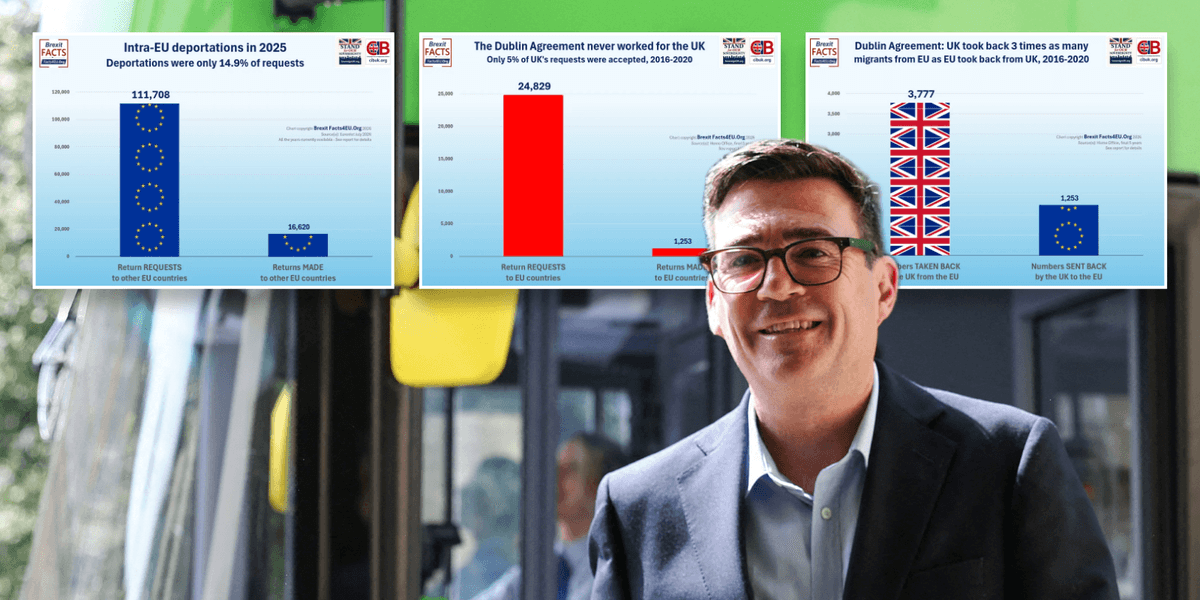
Analysis of European migration data suggests the Dublin system, which allowed countries to return asylum seekers to the EU state they first entered, resulted in only a small proportion of transfers being completed.
Figures highlighted by Facts4EU show just 14.9 per cent of requests between EU countries resulted in returns in 2025, while the UK’s own record during its final years as a member saw only five per cent of requests accepted.
The figures come as Burnham, who has previously spoken of wanting closer ties with the EU, faces pressure to set out how he would tackle illegal migration while pursuing a European reset.
Critics argue the data shows that closer alignment with Brussels would not provide a simple solution to Channel crossings, pointing to the difficulty European countries have faced in returning migrants through existing agreements.
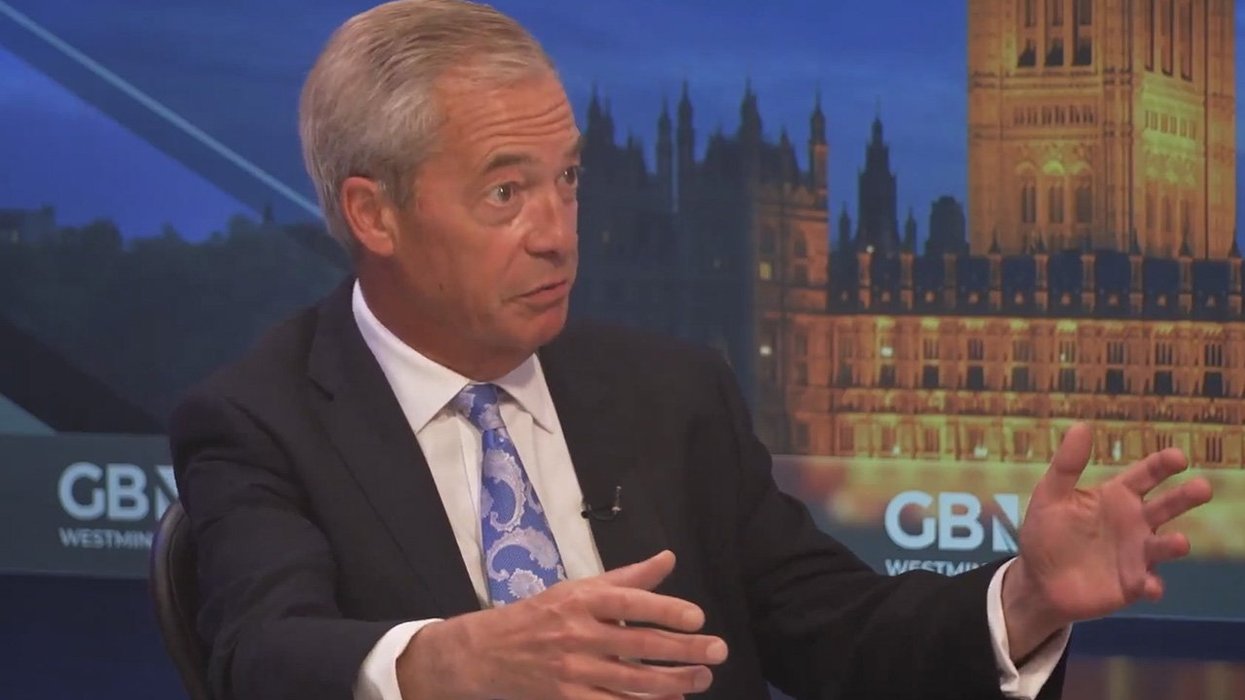
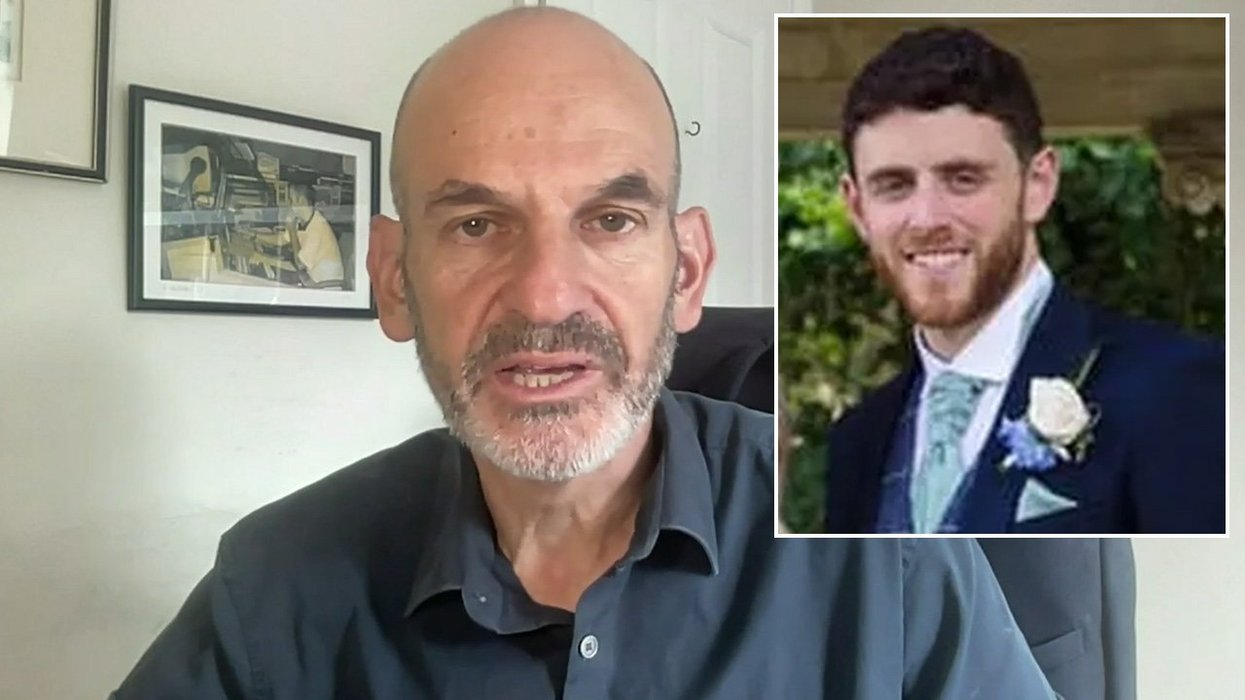
Lord Redwood said the figures showed the Dublin system had “failed”, arguing that it did not prevent small boat crossings or create an effective returns process.
However, Labour has argued that closer cooperation with European partners is essential to tackling the criminal gangs behind Channel crossings. The party says agreements with countries including France and Germany are designed to improve enforcement, share intelligence and increase returns of those with no right to remain in the UK.
The Government has also insisted that working with European neighbours does not mean reversing Brexit, with ministers saying new arrangements are focused on border security rather than restoring free movement.
The row comes as immigration remains one of the biggest political issues facing Mr Burnham’s Government, with Reform UK and the Conservatives continuing to push for tougher border controls.
The debate is likely to intensify as Labour attempts to balance closer cooperation with Europe against demands from voters for a more effective system for stopping illegal crossings and removing failed asylum seekers.
Mr Burnham is among Labour figures who have argued that the UK should seek closer ties with Brussels following Brexit.
The Greater Manchester Mayor has previously said he would like to see Britain move towards a closer relationship with the bloc “in my lifetime”, while stopping short of calling for a return to full membership.
Mr Burnham backed Remain during the 2016 referendum campaign, warning that leaving the EU could damage jobs, investment and Britain’s influence on the world stage.
He later said the result had to be respected, but argued that Brexit had been handled poorly by successive Conservative governments.
His position reflects a wider divide within Labour, with some MPs calling for a pragmatic reset with Europe while others argue the party must focus on delivering on the Brexit result and addressing voters’ concerns over immigration and sovereignty.
The Government has said closer links with Europe are about improving trade, security cooperation and tackling shared challenges rather than reopening the question of EU membership. However, critics argue that any move towards greater alignment risks reigniting old Brexit divisions.