Thank you for subscribing!
Ameer Kotecha argued the move could end up harming the very Palestinians that ordinary Britons want to help
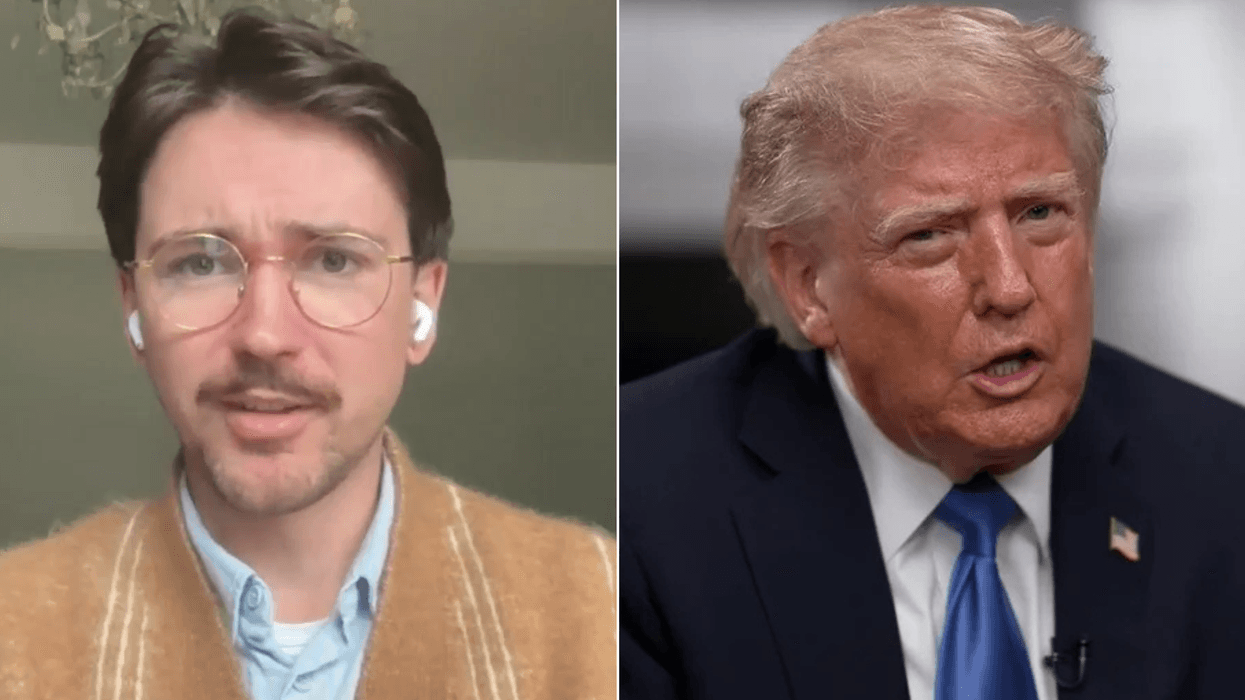
Labour is playing a “dangerous game” by sanctioning Israel and could harm the Gazans as a result, a former UK diplomat based in Tel Aviv has told GB News.
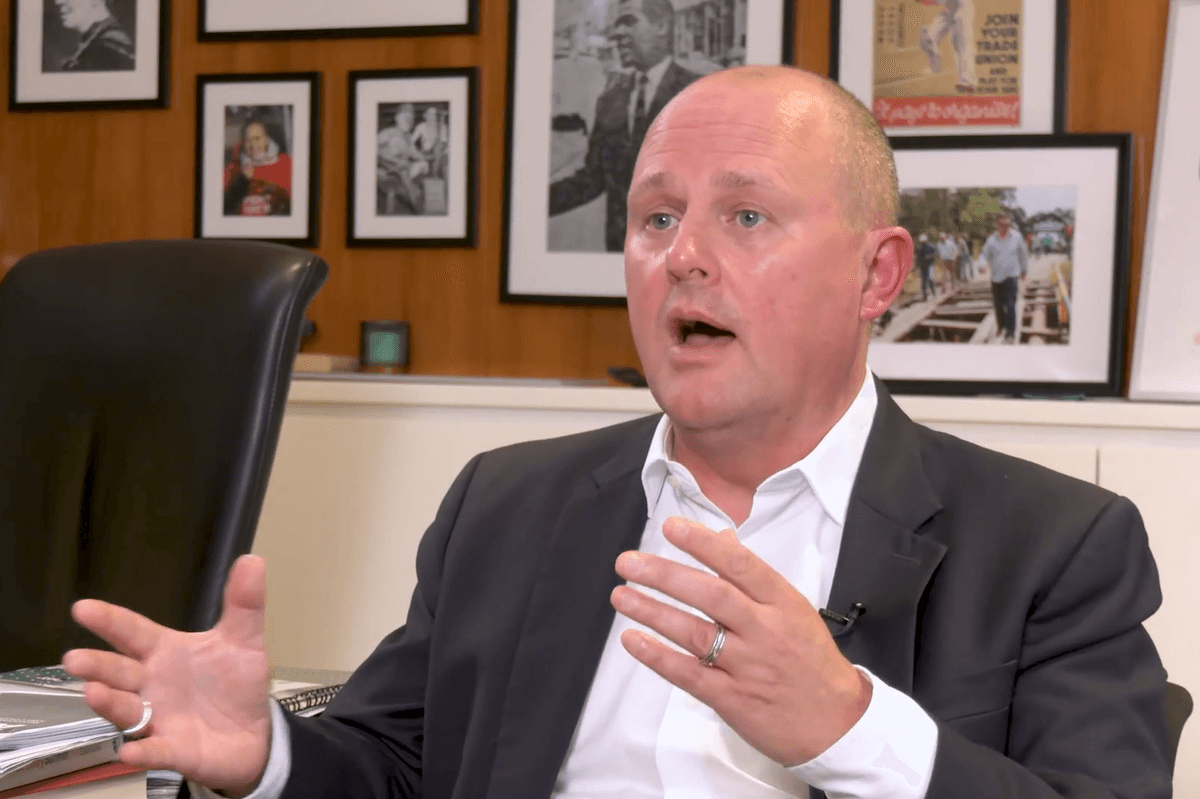
Ameer Kotecha, CEO of Centre of Government Reform and ex-Head of Palestinian Issues at the British Embassy, said that Labour's sanctions on Israeli settlements will have “very real consequences”.
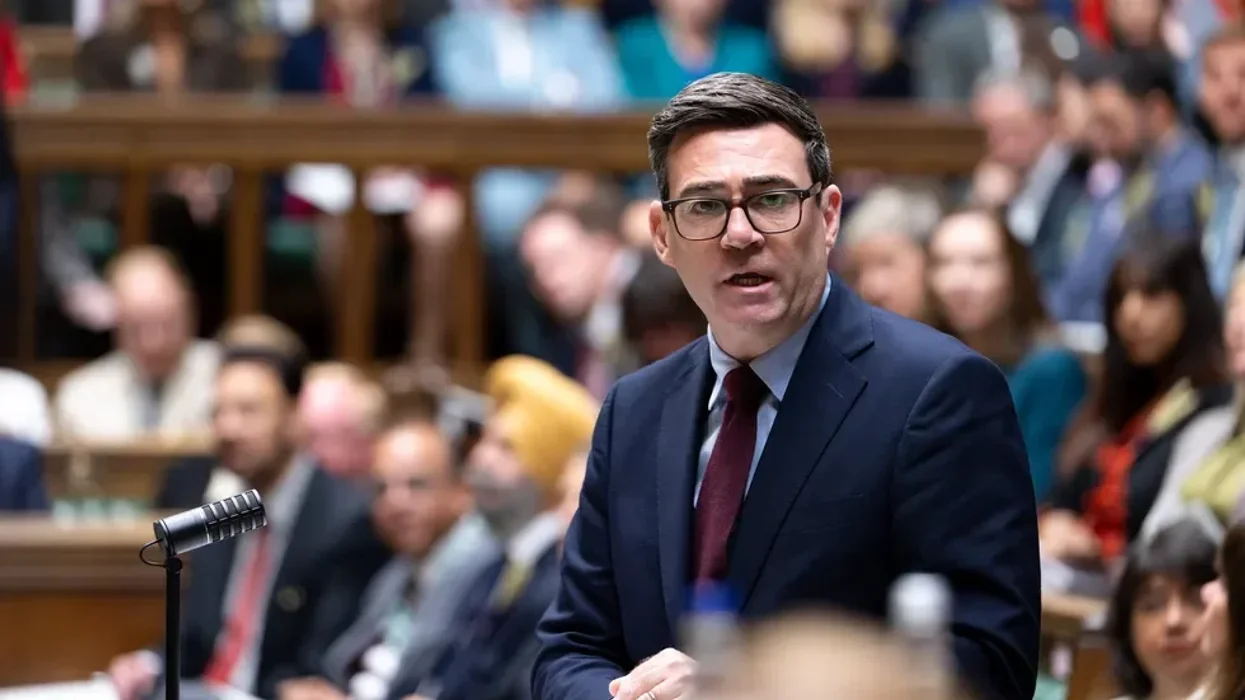
Foreign Secretary Ed Miliband announced the UK would ban imports from illegal Israeli settlements, prohibit their advertising, act further on settlement-linked services, and crack down on settler violence.
The sanctions were announced after Israel opened up tenders for the construction of 1,200 settlement homes in the E1 area of the West Bank.
Considered a strategic area of the West Bank, the E1 development has been condemned globally, with the settlements regarded as illegal under international law.
Mr Miliband described the tenders as an “unacceptable and destructive act”.
However, the efficacy of the sanctions has come under fierce scrutiny, with the move being labelled as mere “gesture politics”.
Mr Kotecha told GB News: “I do not think anyone thinks this is going to shift the dial.
“West Bank settlements hardly export to the UK - they are not reliant on exports to the UK for their economic survival."
“So, it is essentially gesture politics – it is gesture diplomacy.”
The former diplomat described the sanctions as a “moral crusade” or “virtue signalling”, rather than having a “hard-nosed focus on the British national interest”.
“There is a very, in my mind, unclear benefit, because it is not going to do anything to stop E1,” he added.
Israel promptly responded with retaliatory sanctions on Tuesday.
Gideon Saar, Israel's foreign minister, announced the UK would be barred from participating in the US-led coordination mission in Gaza.
The announcement confirmed 12 British officials had been banned from entering the country, including ex-Labour leader Jeremy Corbyn and former Shadow Home Secretary Diane Abbott.
Mr Saar also revealed the British consulate in Jerusalem would be closed.
Mr Kotecha described Labour's sanctions announcement as an own goal amid retaliatory sanctions, particularly as humanitarian efforts for Gaza are orchestrated out of the consulate.
He said: “The consulate is basically the place coordinating all of our humanitarian and aid efforts for Gaza.
“There is a very real argument here that this is going to harm the ordinary Gazans that the average British person wants to support and assist.”
Mr Kotecha added that there is likely to be “huge amounts of scrambling going on” to continue such programmes.
Speaking at a press conference in Jerusalem, Mr Saar said: "We do not return to our land after 2000 years in order to lose it under the pressure of Islamists, antisemites, jihadists, woke people and people from the extreme left.
However, Mr Miliband said there was evidence of “ethnic cleansing” in the West Bank as settler violence has risen, accusing the Israeli Government of “turning a blind eye” to it.
He said: “The British Government agrees that there is ethnic cleansing of Palestinians in areas of the West Bank – perpetrated by settler terrorists.
“All too often the Israeli Government has turned a blind eye to this and worse, members of it have made statements and taken actions to support the forced displacement of Palestinians."
Settler attacks in the West Bank topped 1,000 this year, data compiled by the United Nations Office for the Coordination of Humanitarian Affairs has revealed.
The attacks spanned across 230 communities at an average of six incidents a day – the highest rate on record – and have displaced 2,200 Palestinians.
Speaking to GB News, Mr Kotecha warned Labour was playing a “dangerous game” as the move has soured relations with Israel and the United States, two nations he described as “our most important” allies.
He said: “Upsetting our most important ally in the form of the US and totally burning bridges with the most important ally in the Middle East – Israel – it should be something you go into with your eyes open.
“My concern is that they have not gone into it with their eyes open.”
The former diplomat, who led diplomatic efforts on Gaza, the West Bank and the overall peace process in the region, emphasised the importance of Israeli-UK relations for intelligence sharing, highlighting it has stopped “terrorist bombs going off on the streets of Britain”.
“We have this incredibly important security and intelligence relationship with the Israelis, which keeps Britons safe here in the UK,” he said.
“Our relationship with the Israelis stops terrorist bombs going off on the streets of Britain, to be blunt.”
The sanctions have also fuelled fears about the Falkland Islands after Israeli security minister Itamar Ben-Gvir called on Benjamin Netanyahu to publicly recognise the overseas territory as Argentinian.
Mr Kotecha told The People's Channel: “We have a rather unpredictable President in the White House, we've seen escalating Argentinian rhetoric. So this is a dangerous game we are playing.”
He caveated that Israel's position on the Falklands had not officially changed, with Mr Ben-Gvir “not representing the views of the Israeli Government”.
The former diplomat said a “far more sensible idea” would be to “engage with them as adults” and continue to influence “behind closed doors”.
The Conservative Party has echoed Mr Kotecha's concerns, with Shadow Foreign Secretary Tom Tugendhat warning the Government was “enacting politics the Foreign Office knows will not work”.
Responding to the announcement in the Commons, Mr Tugendhat said: “The economics of Palestine and Israel are too interconnected, so innocent Palestinians and Israelis will suffer."
He added: “Still, this Government is pressing on in haste, despite warnings from Dr Peter Prinsley [vice-chair of Labour Friends of Israel] on the benches opposite.
"Also, from the Government's own reviewer of terror legislation, that turning Israel into a pariah will risk sectarian division in our own country, and risk a further rise in antisemitic violence on our own streets.”
Antisemitic attacks recorded across the UK are up by a fifth compared to last year, figures have shown.
The Community Security Trust recorded 1,926 incidents of anti-Jewish hate in the first six months of this year, representing a 21 per cent increase compared to the first half of last year.
Yair Lapid, who leads Israel's opposition party, also condemned Labour's sanctions, saying they will “strengthen extremist voices” in the country.
The Yesh Atid party leader said: "The British Government's decision to impose boycotts and sanctions on Israel is a grave mistake. It is a wrong and dangerous policy, at the wrong time and for the wrong reasons.
"The decision made today will strengthen the extremist voices in Israel just before the Knesset elections and provide encouragement to Hamas and the terrorist organisations.
"It is clear to everyone that this is a decision driven by considerations of domestic politics in Britain, where a cynical attack on Israel is used to please disappointed voters."
Voters in Israel will be heading to the polls next month – the first national election since the October 7 attacks in 2023.
Despite polls indicating Mr Netanyahu faces defeat at the ballot, it is unclear who will emerge as the country's next leader.
Mr Netanyahu's strongest rival is currently Gadi Eisenkot, a former Israeli military chief who lost his son during the fighting in Gaza and opposes the two-state solution.
Reflecting on his experience as a diplomat in the Middle East, Mr Kotecha concluded: “Diplomacy is the business of maintaining alliances, leverage and influence, and using that to defend and promote UK interests.
“My concern is that, however you look at this, it's burnt alliances and burnt leverage.”