Thank you for subscribing!
Residents were forced from their homes, while businesses, campsites and a ski resort all had to be evacuated as the blaze spread
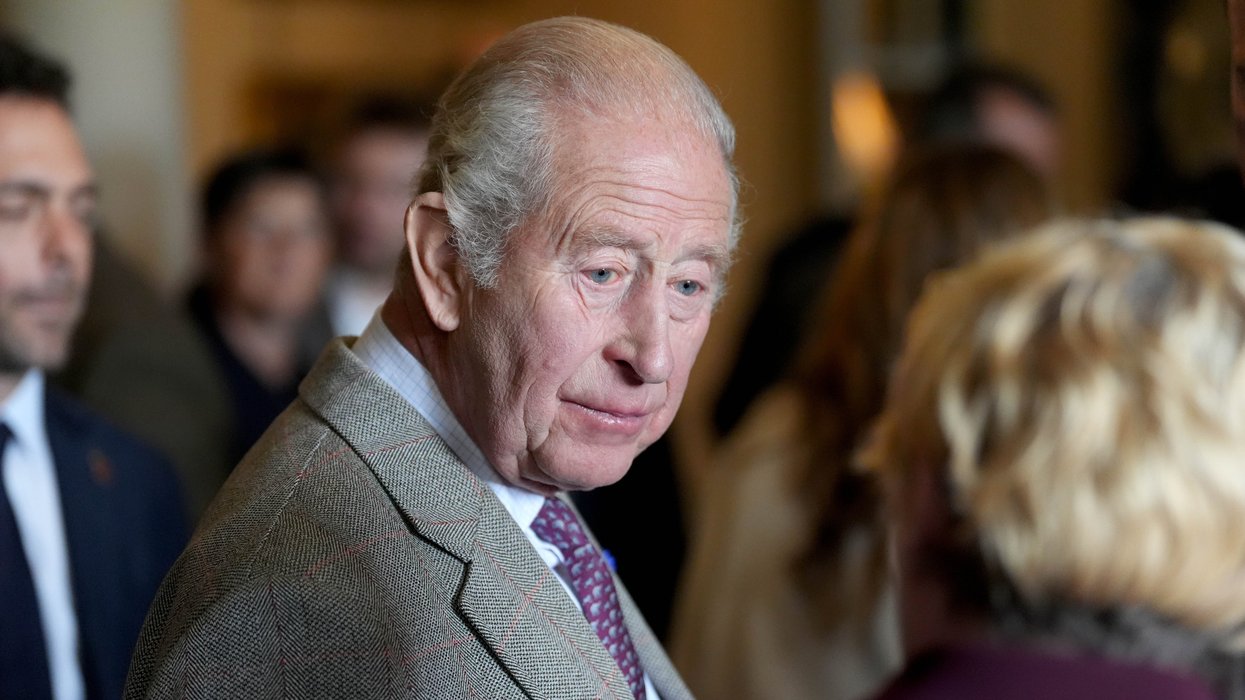
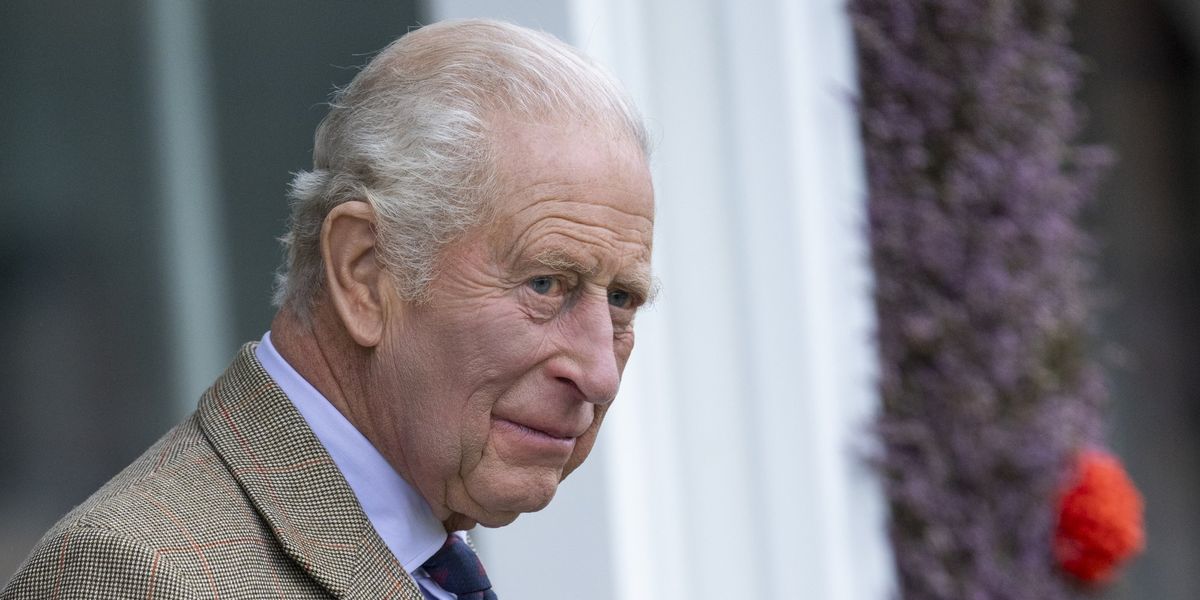
The King has visited the Cairngorms National Park, where he personally thanked those who responded to one of the most serious environmental incidents the region has experienced in recent memory.
During the visit, the King met with firefighters, first responders, community leaders, volunteers and landowners who were instrumental in battling the Glenmore and Abernethy wildfire throughout July and August.
King Charles also witnessed first-hand some of the destruction wrought by the blaze, which tore through the area this summer.
The fire ignited on July 15th and went on to consume more than 3,300 hectares of land across the Glenmore Forest Park area.
The wildfire is considered one of the most economically damaging natural events to strike the Cairngorms tourism industry in recent years, causing significant disruption to the sector during what would ordinarily be a busy summer period.
Beyond the wildfire response, the King viewed a companion granite stone that symbolises a newly established twinning arrangement between the Scottish Highlands and Shenandoah National Park in Virginia.
The partnership reflects a remarkable geological connection: over 250 million years ago, Scotland's mountains and the Appalachian range were joined as a single mountain chain before tectonic forces drove them apart across the Atlantic.
This mountain twinning was first revealed during the King's State Visit to the United States earlier this year, marking the deep historical ties between the two nations.
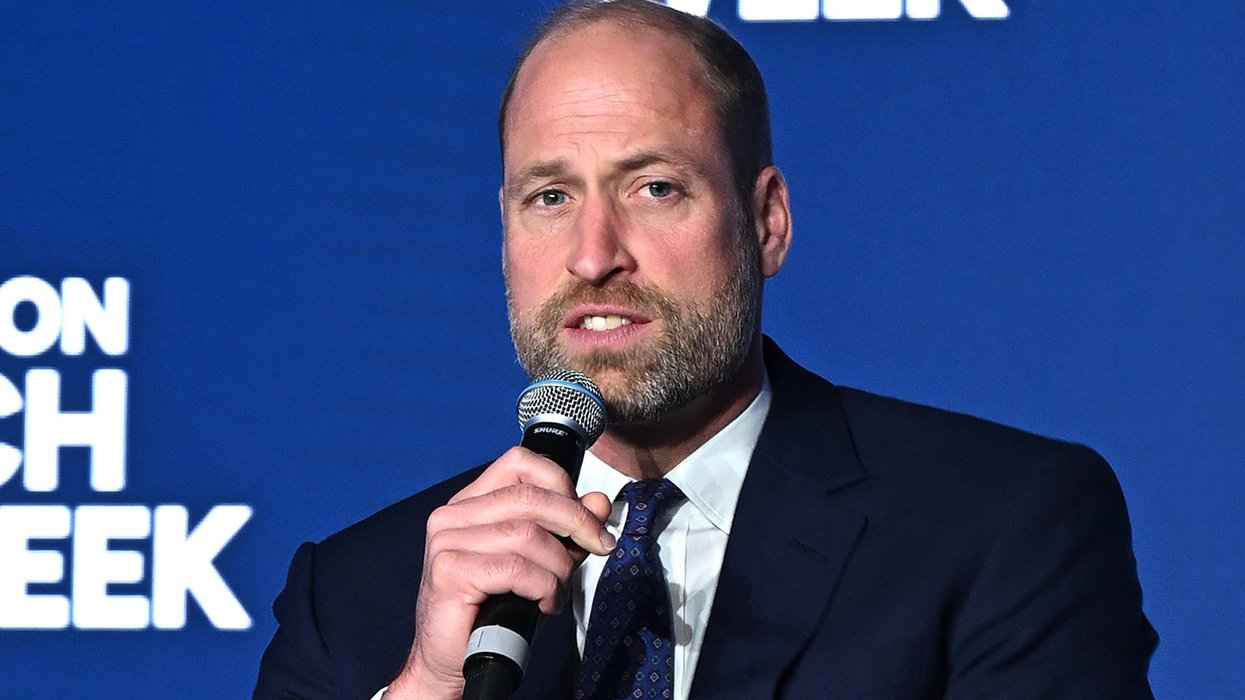
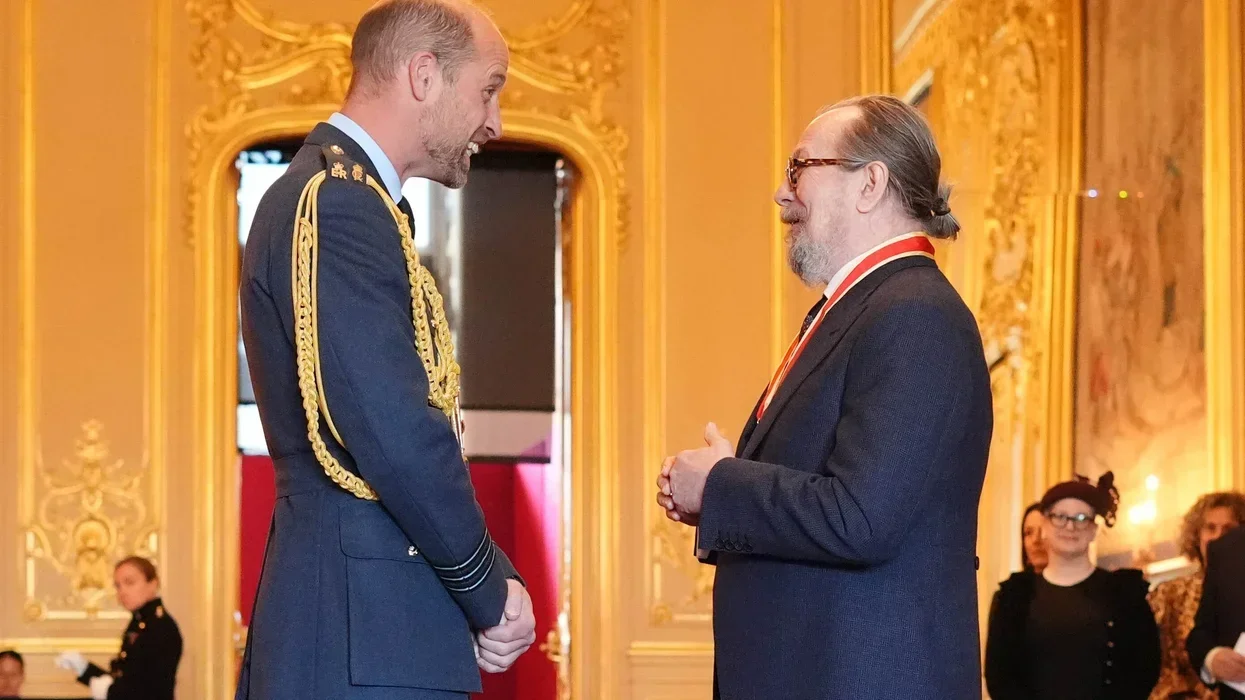
On Monday, Prince William urged the world to embrace "urgent optimism" in confronting the climate emergency, penning a piece in The Independent as preparations advance for the sixth Earthshot Prize ceremony, set to take place in Mumbai, India this November.
The Prince of Wales's intervention comes after Britain endured its most punishing summer since meteorological records commenced in 1884, with Met Office provisional data revealing an average temperature of 16.5C across the season.
The heir to the throne described the widespread wildfires that swept the country as "devastating" and "alarming", calling them a "powerful reminder of the risks associated with a warming climate".
In his article, the prince argued that the sheer magnitude of the challenge risked paralysing people into inaction.
"The crisis demands urgency. But without a belief that change is possible, its scale can leave us feeling overwhelmed," he wrote. "Optimism gives us confidence that our actions can make a difference. We need both."
William defined his central philosophy as "seeing the danger clearly while believing in our ability to respond."