Thank you for subscribing!
Researchers unearthed a sandstone lintel inscribed with the name and royal titles of Pharaoh Ramesses II
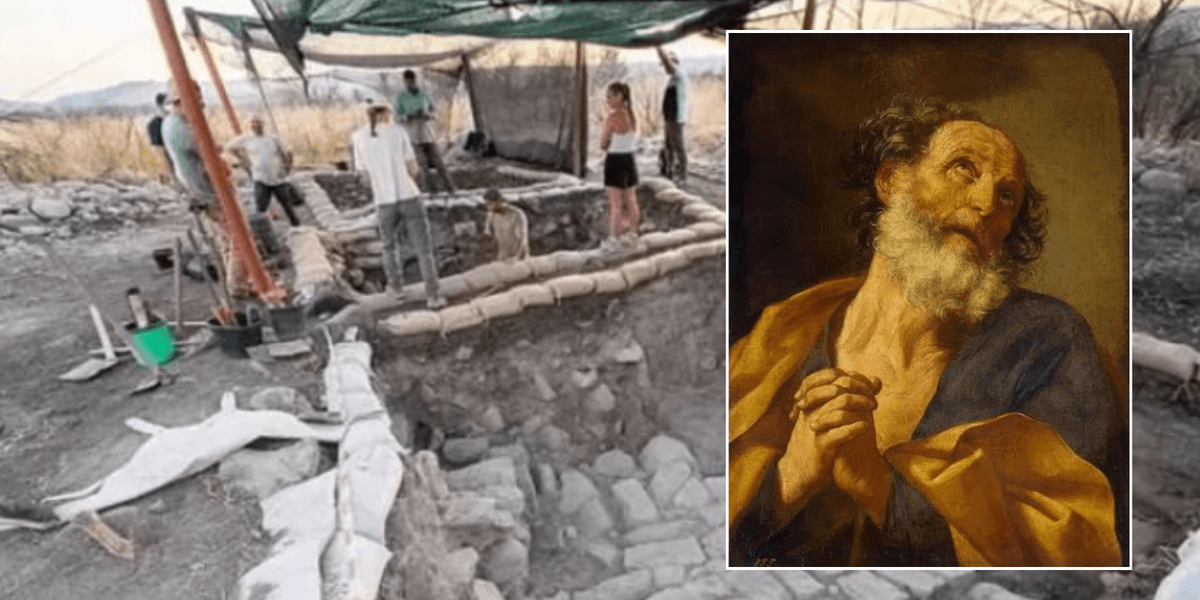
Archaeologists working at Tell Abu Saifi in Egypt's northern Sinai have uncovered a key clue in the hunt for an ancient Egyptian lost city.
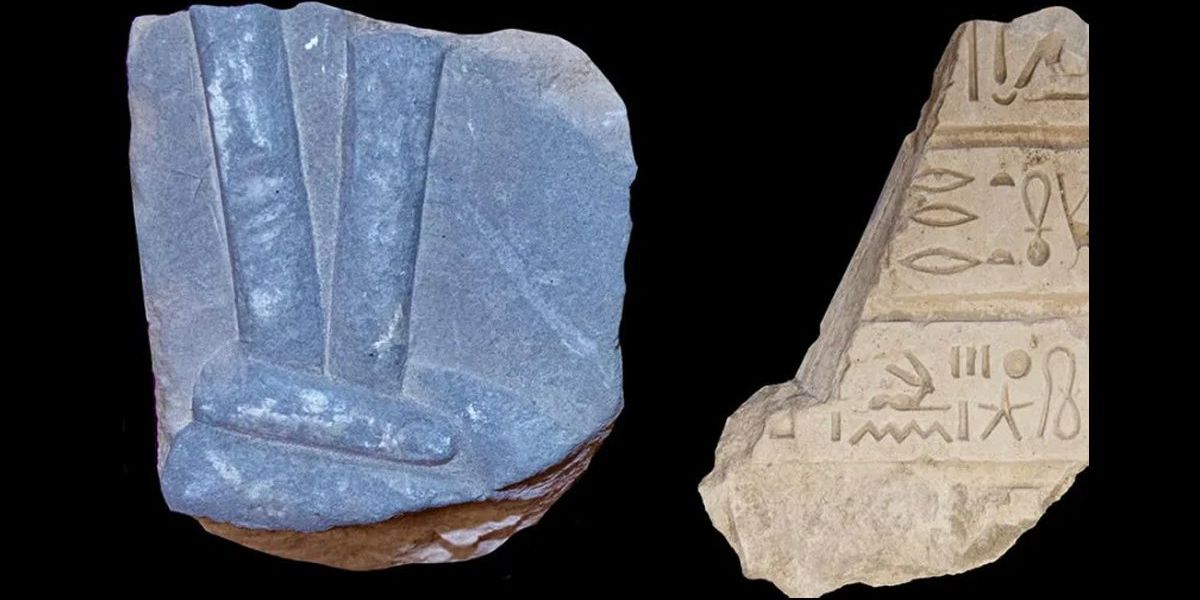
Researchers unearthed a sandstone lintel inscribed with the name and royal titles of Pharaoh Ramesses II, the 19th Dynasty ruler who governed Egypt during the 13th century BC.
The large stone block, found broken into two fragments, carries text on three of its sides.
One inscription mentions restoration work carried out on a statue of "Horus, Lord of the City of Mesn" – a long-lost settlement whose exact whereabouts have long baffled scholars.
The find was made at the site in Qantara East, Ismailia Governorate, during excavations linked to the Way of Horus – the ancient fortified military road connecting the Nile Delta to Sinai and the lands of Canaan.
Dr Hisham Hussein, who leads the Central Administration for Lower Egypt and Sinai and directs the archaeological mission, called the inscription highly significant for establishing the historical identity of Tell Abu Saifi.
The reference to Mesn opens up the possibility that the site may be linked to the ancient lost city.
However, the excavation team is stopping short of declaring the matter settled.
Dr Hisham El-Leithy, Secretary-General of Egypt's Supreme Council of Antiquities, cautioned that additional fieldwork and analysis would be necessary before any definitive connection between Tell Abu Saifi and Mesn could be confirmed.
The lintel was far from the only notable discovery to emerge from the dig.
Excavators also revealed substantial remains of a temple complex, featuring a large mudbrick enclosure wall, gateways, internal chambers, storerooms and a sanctuary.
The complex appears to have been built, rebuilt and repurposed across multiple periods, reaching its largest form during the Ptolemaic era, roughly the fourth to first centuries BC.
Under Roman rule, the site's character shifted dramatically, with elements of the temple dismantled and incorporated into a military camp, or castrum, constructed around the third century AD.
Romans also quarried the temple's building materials extensively, with two circular kilns erected over the sanctuary's corners, containing traces of burnt limestone – pointing to the area's conversion into a lime production facility in the Late Roman period.
Stone-paved roads dating to the Ptolemaic and Roman eras were also uncovered, linking the fortifications to the temple.
Among recovered artefacts were a 26th Dynasty schist statue depicting an army scribe holding a damaged shrine, a headless Late Period statue, a basalt royal torso and fragments of falcon statues in basalt and limestone.
Tell Abu Saifi sits at a strategically vital point near Egypt's eastern border, along the Way of Horus – the fortified route that served as a crucial corridor for armies, administrators, merchants and travellers moving between the Nile Delta and northern Sinai towards Canaan.
Egyptian Tourism and Antiquities Minister Sherif Fathy said the findings showed the region's enduring strategic and cultural significance in safeguarding Egypt's eastern frontiers across the centuries.
Ongoing work at sites along the Way of Horus is enabling researchers to piece together the route's layout, pinpoint its stations and build a fuller picture of Egypt's military footprint on its eastern border.
Should future excavations confirm that Tell Abu Saifi and Mesn are indeed the same place, the discovery would clarify the lost city's role within Egypt's ancient eastern defence network.