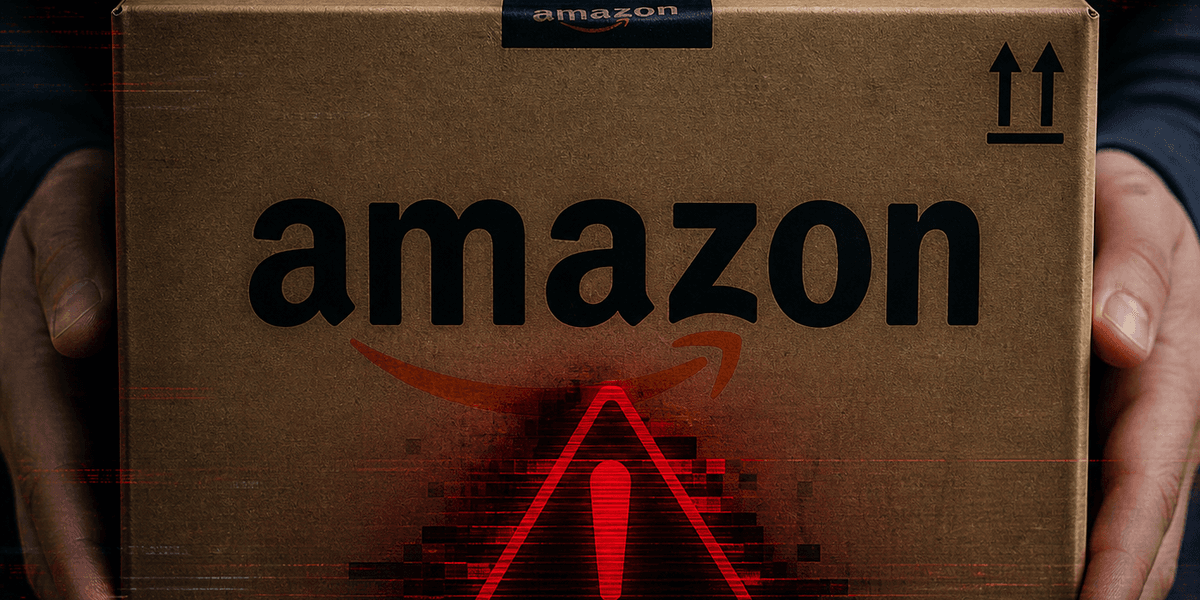
Amazon has quietly rolled out a change to its Wish List functionality that could leave your home address exposed to strangers. Amazon Wish List is a customisable, digital, and shareable shopping list that allows you to save items for future purchases, track price drops, or share gift ideas for special occasions, like birthdays and weddings. And Amazon's recently overhauled chatty Artificial Intelligence (AI) assistant Alexa+ can help you put lists together.
It's a clever feature that's also used by influencers and online creators to highlight items they'd like viewers and fans to buy for them. However, the US online retailer recently removed the option to limit Wish List purchases to items sold directly by Amazon.
As a result, it's possible to list products sold by small merchants that operate on Amazon. As a result, when somebody buys a gift from your list through a third-party seller — independent businesses or individuals who use Amazon’s platform to sell their own products — those merchants now have access to your delivery details.
If you're making the purchase yourself, it's your choice to share these details more widely. But with the Wish List feature, your family members, friends, or even wedding guests make that decision for you.
Amazon spokesperson Maxine Tagay confirmed the shift, explaining: "If a customer has a public list and connects a delivery address to that list in their settings, gift purchasers may receive the recipient's address through sellers and delivery partners fulfilling those orders, as delivery updates and tracking information are shared as part of the shipment process."
This change poses the biggest threat to people who share their Wish Lists publicly with large audiences.
Aaron Engel, Chief Information Security Officer at ExpressVPN, warns that online creators, influencers, and public figures are particularly vulnerable.
Mr Engel told GB News: "The concern comes down to who might gain access to personal delivery information tied to a purchase from your Amazon Wish List. When an item is bought from a list, certain shipping or tracking details may be visible to the seller if the product comes from a third-party merchant.
"For people sharing Wish Lists privately with friends or family, the risk may feel relatively small. But it becomes more concerning when a Wish List is shared publicly or circulated online. Someone could purchase an item specifically to gain access to delivery information and potentially figure out where you live."
Protect your online activity with ExpressVPN
With its new multi-tier subscription structure, ExpressVPN has never been more affordable
If you want to unlock the ExpressVPN Basic plan, which offers unlimited access to its award-winning reliable and ludicrously speedy VPN servers across the globe, it has cut monthly subscriptions by 80%.
If you sign up for a 12-month plan, you'll be gifted with a generous 4 months of access to the award-winning VPN service for free. That equates to under 6 pence per day!
The risks go beyond simple inconvenience. In serious cases, bad actors could use this information for harassment or doxxing – deliberately hunting down and publishing someone's personal details online.
Social media content creators and charities using public lists to receive donations could find themselves unexpectedly exposed.
So what can you do to protect yourself? Mr Engel says the simplest step is limiting who can actually see your list.
"If you don't need it to be public, change the settings so it's private or only accessible through a direct link you share with trusted people," he advises. "Another option is removing your address from the Wish List altogether."
Mr Engel said: "That way, if someone wants to send you a gift, they'll need to contact you for your address, giving you control over who has your information."
To remove your address from Amazon Wish List, follow these steps:
For creators who need to keep their lists public, Mr Engel recommends using a P.O. box instead of their home address.
Mr Engel also suggests checking seller details before adding items: "On the product page, look for the 'Ships from' and 'Sold by' sections, and if they both say Amazon, the shipping process typically stays within Amazon's system and poses less of a risk."
However, Mr Engel cautions against relying solely on this approach: "Third-party sellers can always start shipping their products directly later on."
For an extra layer of privacy, he also suggests using initials rather than your full name in shipping details.
If you're looking for extra security during all of your online activity, employing the help of a VPN may also prove to be beneficial. While it can't protect your personal data already tied to your account on a site like Amazon, there are several other noteworthy features worth exploring.
What is a VPN?
It's an application that encrypts and anonymises everything you do online — bolstering your privacy, hiding your location, and stopping advertisers, trackers, and even governments from keeping tabs on you.
VPNs are widely used by businesses to keep proprietary data safe from prying eyes. Whistle-blowers and journalists also rely on these apps to shield sensitive information. And now, VPNs are fast becoming an essential tool for everyone with a smartphone, laptop, desktop PC, streaming set-top box, or tablet.
What can a VPN do?
Using a VPN isn't just about boosting your privacy online. These versatile apps have a slew of different features. We've put together a list of some of the most useful VPN features below: