Thank you for subscribing!
Apple first released a similar feature on iPhone back in 2024
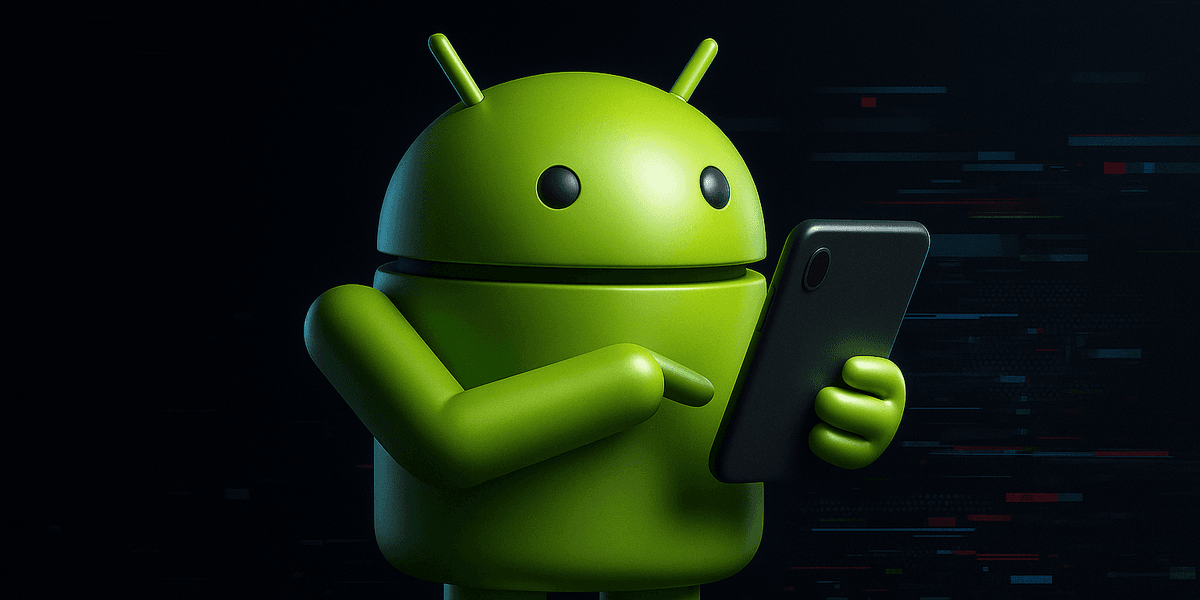
If you've ever felt queasy when scrolling on your phone in the back of a car, Google has a simple fix. The US technology firm is bringing a brand-new feature called Motion Assist to Android 17 — its latest operating system — designed for anyone who struggles with motion sickness.
Motion Assist puts small dots around the edges of your screen that shift and move in response to the movement of the vehicle.
Motion sickness is caused when your body is getting mixed signals. Your inner ear can detect each time the car moves, turns, stops, and speeds up. It tells your brain your body is in motion, but the eyes are focused on the screen and your hands, which look completely still to your brain.
Using the accelerometer inside the device, the dots can move in exactly the same way on-screen as your inner-ear detects from the vehicle.
This is the same way that Apple's Vehicle Motion Cues, released for the iPhone in 2024 with iOS 18, are designed to work. And if you're a Google Pixel owner, you'll be the first in line to receive the new feature. The new Pixel 11 handsets will have this right out of the box. Other Android devices are expected to get the update down the line.
Google lets you tweak the colour, shape and opacity of the indicators to suit your taste. There's even a randomisation option that automatically mixes things up for you.
As for switching it on, you will have two choices. You can set Motion Assist to kick in automatically whenever your phone detects you're travelling in a car, bus, train or other vehicle. Or, if you'd rather stay in control, you can pop a dedicated tile into your Quick Settings and toggle it on manually.
When the feature activates, Android sends a notification — just tap it if you'd like to turn it off. The feature has actually been in the works for quite a while. The vigilant team at Android Authority first spotted Motion Assist in testing back in December 2024.
The update requires the latest software system, Android 17, to be downloaded for it to work, and some brands may not have rolled this out to their devices yet.
This is because companies like Samsung or OnePlus don't all use the same version of Android. When Google releases Android 17, these brands have to rewrite their own software to match Google's new underlying code. They must redesign menus, update their custom camera apps, and ensure their exclusive features (like Samsung's Galaxy AI) still work.