'Trust hinges on people feeling informed, respected, and in control,' said one expert
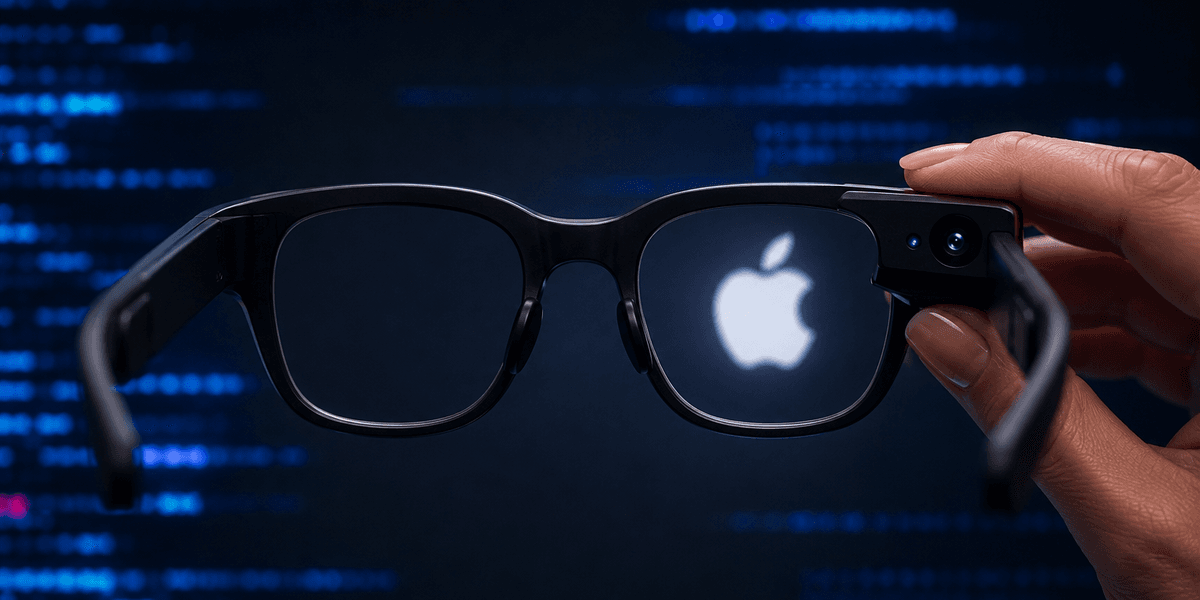
Apple could be the next major technology company to launch AI-equipped glasses, following in the footsteps of Meta and Snapchat parent company, Snap Inc.
But the US company has purportedly pushed back the reveal of its AI-powered eyewear — codenamed N50 — from later this year until its Worldwide Developers Conference in June 2027, according to Bloomberg's Mark Gurman.
Mr Gurman reported that "the teams developing glasses ... see privacy as priority No. 1."
If you're not familiar, smart glasses are meant to work as AI-powered eyewear that blends style with functionality. They let you capture photos and videos hands-free, listen to music, take phone calls, and access information on the go. It's meant to be ideal if you enjoy creating content and keeping memories.
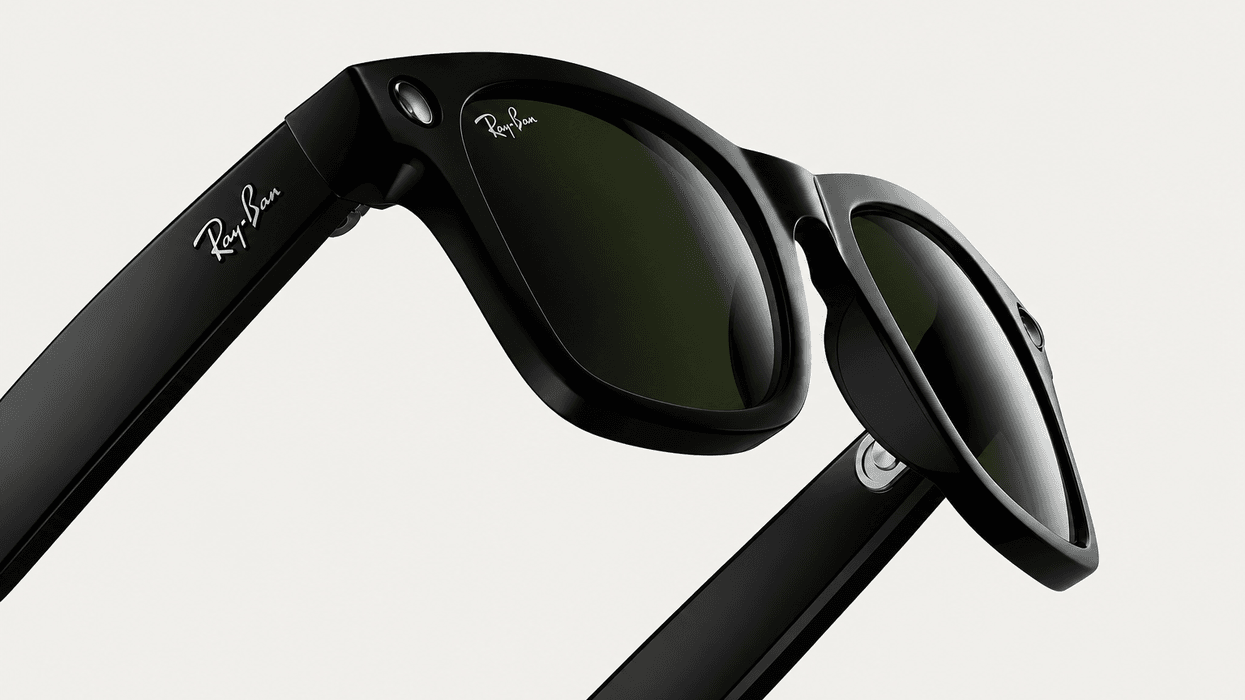
But it's not hard to see why Apple is being cautious — as Meta's Ray-Ban smart glasses don't seem to have created the best reputation for this product category. For instance, wearers found they could tamper with the small LED light that's meant to show when the glasses are recording. That meant wearers could secretly film others without them ever knowing. Some used the glasses to capture intimate footage of ex-partners and share it online.
The backlash was fierce enough that the devices earned the nickname "pervert glasses" across social media. Additionally, a recent investigation found videos from glasses of people undressing and using the toilet were being watched. It has since sparked a debate if cameras should be built into the specs at all.
Brandon Lutz, Head of EMEA at Plaud AI told GB News if this technology is launched, "Every tech company needs to make privacy obvious, simple and impossible to ignore. People should understand what data is being collected, how it will be used and where it is stored. They must also retain control over who can access it, how long it is kept and when it is permanently deleted."
It's also believed that the responsibility to respect others' privacy lies with the company and the user. Mr Lutz continues: "Apple should design clear safeguards into the device, including obvious visual and audible recording signals, a deliberate action before recording begins and simple controls to stop or delete footage.
"But, responsibility does not sit with Apple alone. It also sits with the user, which is the person wearing the glasses. Trust hinges on people feeling informed, respected and in control, which starts with users asking permission before they record.
"People need to understand when they are being recorded, what is being captured and how that information may be used. They must also have a genuine opportunity to say no."
Additionally, some experts think that using an LED light to indicate recording is not enough notice on the gadget.
Lewis Barry, Principal Security Architect and Microsoft MVP at Inforcer, told GB News: "An LED on its own won't really fix that. It just assumes that people will notice it, trust it, and then understand what it means in the moment. The majority of the time people won't, and if anything, it's just a lot riskier and something people ignore over time.
"One area where I think Apple could differentiate is by limiting exactly what devices can do by default. I am talking things like short capture windows, clear friction before recording starts, and then keeping most processing on device. It's a lot less about adding features and much more about deliberately holding things back so the device doesn't feel intrusive.
"If they try to just match the competitors feature for feature, they are going to run into the same trust issues. I think the only real way around that is if you try to make the product feel a lot more constrained and not just more capable if that makes sense."
Paul Bischoff, Consumer Privacy Advocate at Comparitech, echoes a similar feeling, telling GB News: "An LED recording indicator could help but it's not a silver bullet. What if you're far away from the wearer? What if the wearer is taking photos of documents on a person's desk, or is looking over someone's shoulder?
"We all know phones have cameras, but no one expects glasses or sunglasses to have cameras. That could change, but I don't think the average person will see glasses with cameras as anything other than covert spy tech for creeps and spooks."
And some people are really unhappy with the idea of more smart glasses entering the world at all. One user wrote on Reddit: "There's no amount of LED lights or whatever trick they try to use that will make me comfortable talking to anyone who is pointing a camera at my face."
Another user wrote: "You see these are 'Privacy' creeper glasses."
Comment
by u/Steap-Edit from discussion
in apple
Comment
by u/Limp_Fig6236 from discussion
in technology
Apple appears to already be exploring options that sidestep these problems. Some reports have said the company has actually built a prototype with no cameras, meaning the glasses could handle calls, play music and let you chat with Siri, but couldn't snap a single photo.
They wouldn't be the first company, as Even Realities launched their own version without them.
There's also the possibility of keeping cameras but locking them down so they only feed information to the AI assistant, rather than letting users take photos or videos.
Beyond the camera question, Apple could process all AI tasks directly on the device itself rather than sending data back to its servers — which is done already on its other devices.
If cameras do make the cut, the glasses will almost certainly feature hardware that makes it obvious when recording is happening — much like Meta's LED, but presumably harder to defeat.
Apple's smart glasses are expected to go on sale before the end of 2027.
These new specs will land in what's shaping up to be an incredibly busy 2027 for the company. Alongside the eyewear, Apple is widely expected to launch new smart home devices, revamped AirPods, a second-generation foldable phone and a touchscreen OLED MacBook.
CEO Tim Cook has confirmed plans to step down on September 1, with John Ternus taking the reins. Mr Ternus has already overseen the MacBook Neo launch and will be the face behind these upcoming releases.