Thank you for subscribing!
New figures show 2 million Brits now watch telly via a Wi-Fi connection
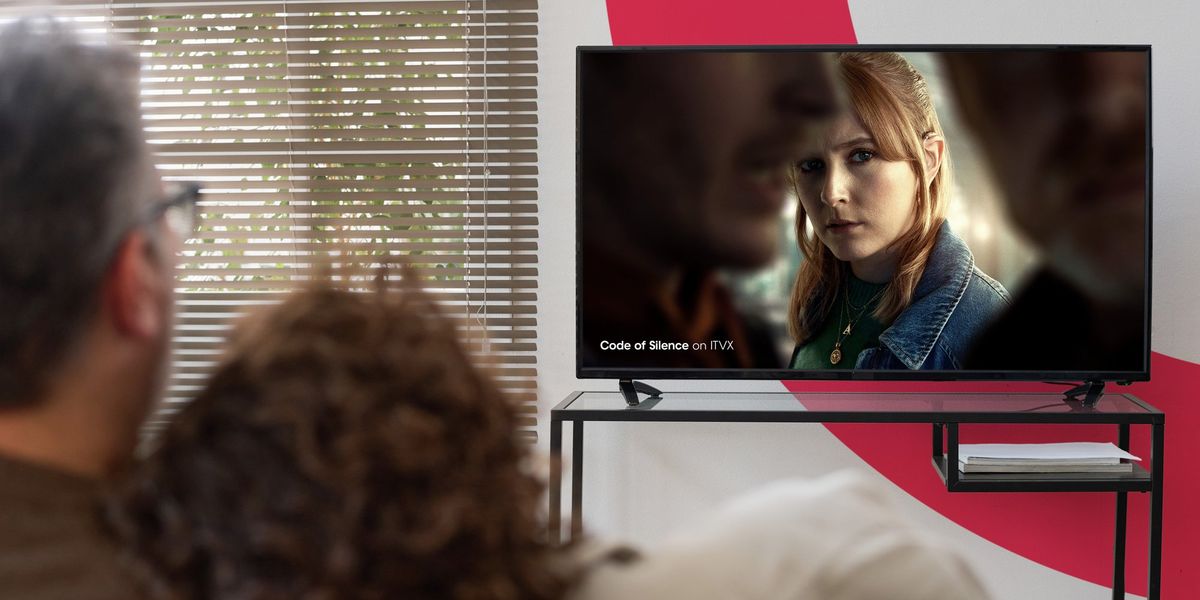
Freely has hit another new milestone, less than eight months after its last record-breaking announcement.
Everyone TV, the organisation behind the newest platform for free-to-air television, as well as its predecessors, Freeview and Freesat, confirmed that a total of 70 live channels are now available to watch via Freely.
That means you can enjoy the same number of terrestrial free-to-air channels via Freely as Freeview, which is watched in 13 million households across the UK and built into 10 million main Smart TVs.
However, it's worth noting that channel availability varies across the UK and connecting your Freeview TV or set-top box to the internet will add several additional streaming channels and on-demand services, dubbed Freeview Play. For example, Freeview has Sky Arts and Narrative, which aren't (yet) available on Freely. The latter also has channels delivered via Wi-Fi that you won't be able to access on a Freeview.
When Freely launched back in April 2024, it started with free-to-air channels from BBC, ITV, Channel 4, and Channel 5, plus the catch-up apps from each of these broadcasters. And that was basically it. Since then, Everyone TV has been aggressively expanding the selection of channels, which are all delivered via a Wi-Fi connection.
It was a few months later that GB News was added in the software update, alongside a slew of channels and on-demand content from U. As more broadcasters have signed deals with Everyone TV, viewers won't need to make use of the aerial port in the back of many Smart TVs and set-top boxes powered by Freely, which served as a way to add additonal over-the-air channels not yet available via Wi-Fi or a wired internet connection.
In total, Freely now boasts over 70,000 hours of on-demand content, that's more than Netflix.
The pivot to streaming is one of the major benefits of Freely over its predecessors. Since you're not tethered to your aerial socket, you can position your flatscreen television anywhere with a decent wireless signal. This is similar to solutions like Sky Glass, Sky Stream, Virgin Media Stream, and rebooted EE TV launched in late 2023.
Not only that, but delivering television over Wi-Fi instead of airwaves unlocks several features for free-to-air channels that were previously only available on paid-for boxes, like Sky Glass, including pausing live television.
Everyone TV has confirmed that Freely has surpassed 2 million weekly users, meaning it's well on track to become the biggest TV platform in the UK by the end of the decade. That date is particularly important since terrestrial channels via Freeview are currently guaranteed in law until 2034, although campaigners are pushing hard to ensure that free-to-air channels will be delivered via aerial across the UK for years to come.
The latest update from Everyone TV confirmed that Freely had doubled its growth from 500,000 viewers to 1 million in the three months between September and December 2025. In less than eight months, that figure has doubled again to 2 million viewers every week.
What makes that rapid growth so remarkable is Freely is not a software update for the millions of households that previously watched telly via Freeview. For the first year after its launch, Freely was only available when viewers bought a new Smart TV designed from the ground up for the new streaming platform. That's improved, with three standalone set-top boxes now allowing you to add Freely to any television via the HDMI port.
However, Britons who want to switch from Freeview or Freesat to the newer Freely must spend some money on either a new Smart TV or a new set-top box. You'll also need to have a decent broadband connection to ensure the same High Definition (HD) picture quality from the live broadcast, compared to previous platforms.
There's also controversy about the widespread adoption of broadband-powered television over its cost.
Aside from the mandatory £180 annual TV licence fee, there is no cost to connecting to an aerial and watching linear television. Likewise, if you own a satellite dish, Freesat lets you watch dozens of free-to-air channels at no cost.
But this isn't the case for broadband-based television, which requires an internet connection in your home. You'll need a minimum speed of 10Mbps to watch via Freely, with most broadband companies charging at least £10 – £15 a month for the sorts of speed you'd need to watch.
If streaming became the only way to watch free-to-air channels in the UK, millions of UK viewers could be "forced into paying for broadband". While that might seem reasonable, these costs add up over time – adding a £120 bill via Direct Debit that might've otherwise been unnecessary for those who don't already require internet at home.
A spokesperson for the Broadcast 2040+ campaign, which brings together over 30 organisations, including the Digital Poverty Alliance and Rural Services Network, and hopes to safeguard broadcast TV and radio, told GB News: "Forcing households onto broadband simply to watch basic TV would impose new costs and create new exclusions.
"If the Government were to underwrite the cost for those who cannot pay, it could easily cost £1 billion per year – an ongoing liability, with people losing their TV if it were ever withdrawn."
However, the biggest broadcasters, including the BBC, ITV and Channel 4, have backed a transition to internet-based telly, stating that it costs them vast sums to maintain broadcast signals used by a declining number of people.
As part of its efforts to ensure everybody can still access its content, the BBC has teased plans to build its own Roku or Fire TV Stick competitor.