You might be able to continue using the lower-powered device already in your collection
Microsoft wants to make sure your laptop runs better with less.
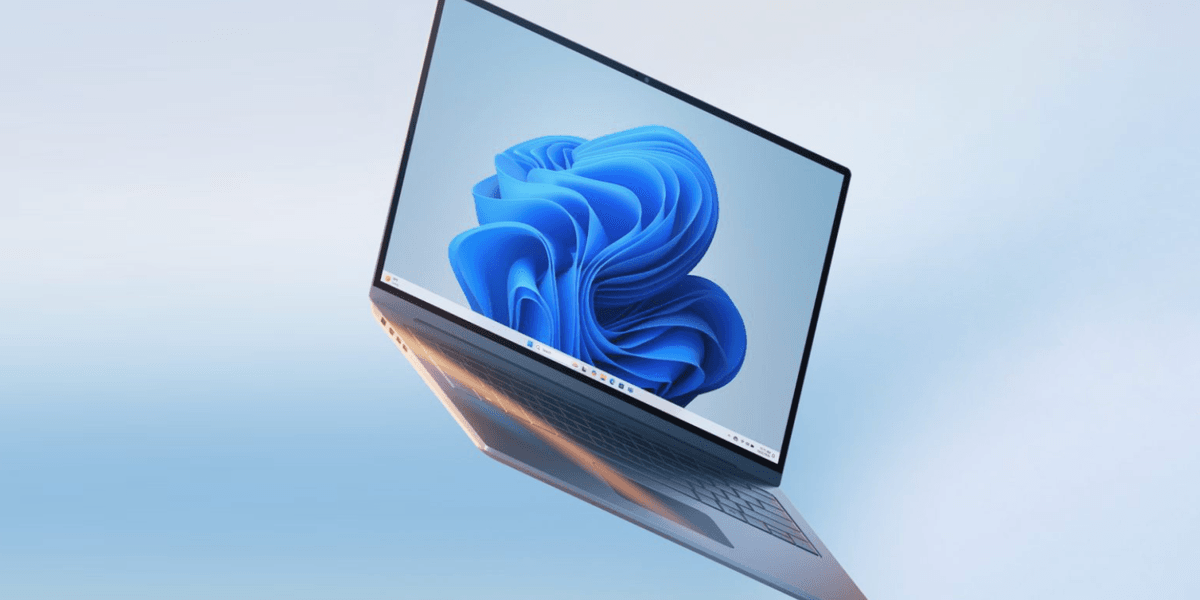
The US technology firm wants to ensure Windows 11, the only version of its immensely popular desktop operating system that's still actively supported, uses less memory before you've even opened a single app or browser tab.
Pavan Davuluri, President of Windows and Devices, shared the plans in an update on X, formerly Twitter: "Memory optimisation for 8GB and above. Reducing Windows memory footprint to deliver a fast and responsive Windows experience across the PCs customers use every day."
This comes as the cost of RAM has skyrocketed. The culprit is the massive boom in Artificial Intelligence (AI), with data centres gobbling up memory supplies faster than manufacturers can make them. Microsoft itself has been forced to massively increase the cost of its consoles in the UK and Europe, as well as its Surface laptops to keep pace with the spiralling cost of critical components in these gadgets.
And the Windows 11 brand isn't alone. Several other manufacturers have increased price tags for British shoppers. Sony has hiked PlayStation 5 consoles for a second time within a year, Apple has increased the cost of several Mac and iPad models, while the founder of British start-up Nothing confirmed smartphone prices will rise this year.
Microsoft hopes that by making Windows 11 more efficient, it will be able to eke out better performance from devices with less memory. As such, you may not need to dig as deep in your wallet the next time you upgrade, or can keep an older machine running for longer.
The effort also builds on a broader quality push that kicked off back in March, when Microsoft began tackling some of Windows 11's most persistent gripes. Microsoft plans to pull this off with three main changes under the bonnet.
First, the company is bringing in a more efficient memory allocator — which is meant to be a smarter way for Windows to hand out RAM to apps and system processes, cutting down on waste.
Microsoft is also continuing to fine-tune WinUI 3, its modern app framework. The idea is that built-in Windows apps will need less memory to do their job.
Finally, there's work happening on Chromium and WebView2 — the web engine bits that power many of Windows 11's built-in apps and run tasks quietly in the background. Reports have found that an 8GB system can chew through close to 6GB of RAM before you've even opened anything, and WebView2 has been a big part of that problem.
Some experts say entry-level PCs could vanish entirely by 2028 if the shortage carries on. Ranjit Atwal, Sr Director Analyst at global research firm Gartner, said: "Ultimately, we expect the sub-$500 entry-level PC segment will disappear by 2028.
"In addition, rising AI PC prices will delay the projected 50% market penetration of AI PCs until 2028."
Despite this, though, Apple reintroduced 8GB machines earlier this year — the MacBook Neo. Unfortunately, this laptop has also undergone a price increase only a couple of months after its release.
And after Windows 10 support ended last October, MacBook sales saw a bump as users jumped ship to macOS rather than upgrading to Windows 11.
Microsoft hasn't said whether these memory improvements will land in one big update or trickle out across several releases.
However, these broader changes are expected before the end of 2026.