Thank you for subscribing!
Around 1 in 5 people aren't sure if the numbers they've found online are real
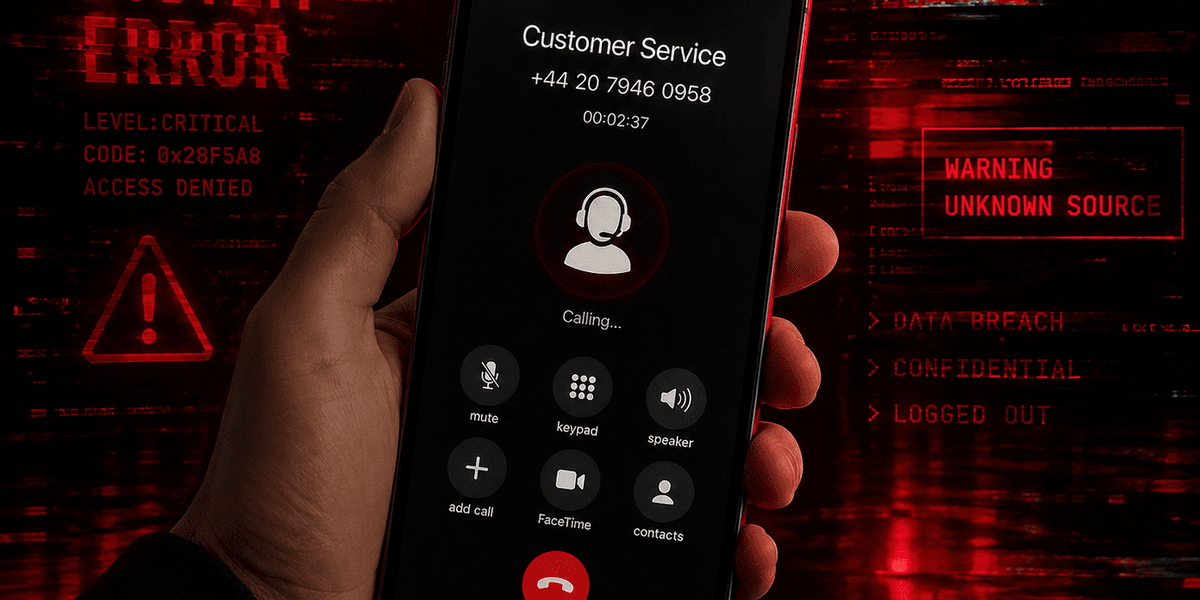
Fraudsters are banking on you needing to make a call to customer service. Criminals are manipulating Artificial Intelligence (AI) tools and search engines like Google to display fake phone numbers when you're trying to contact legitimate companies, research from Virgin Media O2 reveals.
The telecoms company has found that one in eight people across the UK have already encountered these dodgy numbers online. Even more worrying, around one in five people aren't even sure whether the numbers they've found online were real — often relying on phone numbers generated by AI tools without double-checking their source.
If tricked, fraudsters could have you hand over your personal details, which could lead to stealing your login information or draining your bank accounts.
Murray Mackenzie, Director of Fraud Prevention at Virgin Media O2, said: “Criminals know when people search for help, they’re often looking for a quick answer. AI tools are creating new opportunities for fraudsters to create realistic-looking fake numbers that appear through search results or chatbots, putting people at risk of calling a criminal rather than their trusted provider."
To help prevent more people from getting tricked by the fake numbers posted online, Virgin Media is using its own AI to flag suspicious incoming calls before you even answer.
Mr Mackenzie said, "At Virgin Media O2, we’re doing all we can to keep customers safe by blocking known scammer numbers on the network and using AI to flag more than 1 billion suspicious calls to date.
"But with scammers looking to exploit new channels to target victims, everyone can help us keep people safe by reporting dodgy numbers to 7726 so we can shut down scams faster in future. That's millions of us potentially being directed straight to fraudsters instead of the help we're actually looking for."
Virgin Media O2 has put together three steps to take through its Swerve the Scammers campaign to help you stay protected.
⚠️If you’ve received a text or email that doesn’t feel right, STOP!
— Report Fraud (@reportfrauduk) November 5, 2025
1️⃣ Break the contact – don’t reply, click on any links, call any phone numbers or make any payments.
2️⃣Check if it’s genuine - don’t use the numbers or address in the message – use the details from their… pic.twitter.com/A0EQ6Naryf
Other telecoms companies like EE, Sky, Vodafone, and more have joined forces to crack down on fraudulent calls.
UK telecoms and law enforcement have begun rolling out a national traceback solution — essentially a technical way for phone companies and the police to follow the path of a suspicious or fraudulent call across different networks until they find where it started. Think of it like tracking a parcel as it moves between delivery hubs, but for phone calls. Like something you'd see in a thriller on Netflix.
If it works, this means telecoms will be able to pass on addresses where these mass scam calls are being hosted.