Thank you for subscribing!
The city university is hoping to raise funds to boost investments
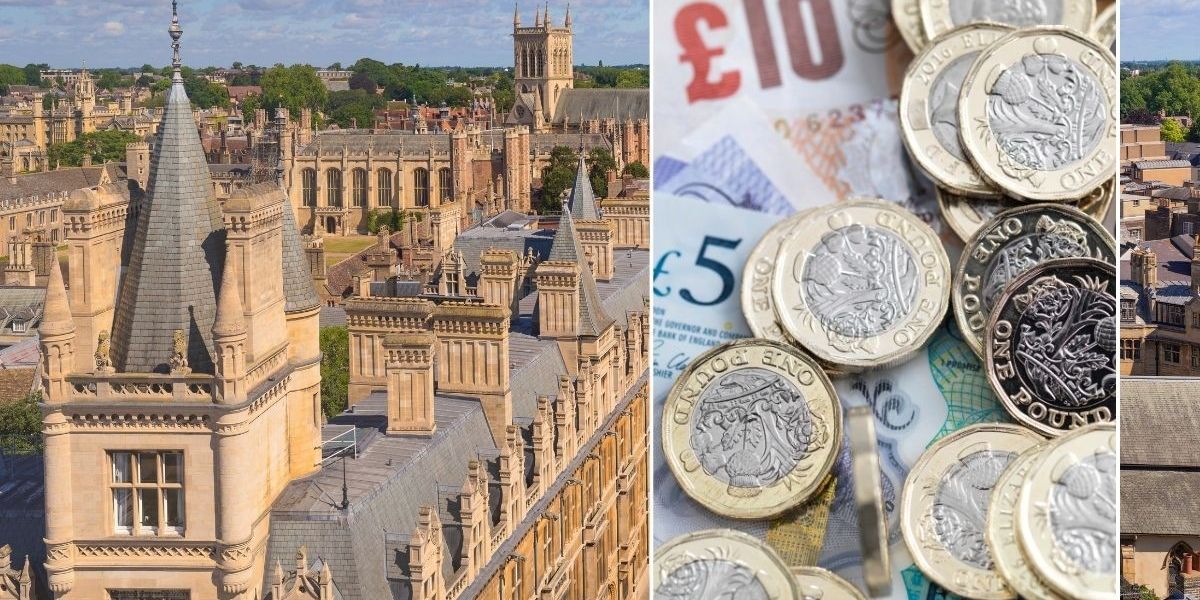
Cambridge visitors could have to pay a local charge in the future under plans to raise funds for investment in the city.
Overnight guests staying at city centre hotels would pay £2 fare per night under a scheme known as Accommodation Business Improvement District, according to a new report.
Authorities say the levy would help achieve “significant investment in the visitor economy in the Greater Cambridge area at a level previously unseen”.
The proposals have stirred controversy among public members, with many taking to social media to voice their disapproval.
Writing on X, one commentator said: “I’ve got the answer. Tourists stop going!”
“Yeah do it to make tourism more difficult,” another user quipped, while a third commentator followed: “Won’t go there then!”
“Haha. Brilliant. I bet the local businesses will be really happy about that,” commented another person.
“Bye-bye Cambridge as a tourist destination,” someone added.
Jemma Little, Economic Development Manager at Cambridge City Council, said the initial discussions with hoteliers were “positive” during a meeting of the authority’s strategy and resources scrutiny committee.
She said: “In order for the ABID to be established, there needs to be a ballot of the hotels within that catchment area.”
Labour councillor Cameron Holloway said: “I think it’s a great initiative and one that would be really positive for the city.”
The board voted unanimously to continue exploring the proposals and move towards a ballot of hoteliers.
According to the website Hotel Chains, Cambridge is home to 32 hotels and 11 hotel chains, including 19 independent businesses.
Airbnb and self-catering accommodation will be exempt from the levy, as would any business where accommodation is a secondary part of their trade.
This includes university colleges that operate primarily as educational institutions but also as commercial bed-and-breakfasts.
The tourist tax is widely adopted across Europe to help local authorities cope with the high demands of tourism.
Popular holiday destinations such as Spain, Portugal and Belgium receive a small fee from holidaymakers upon entry into the countries.
It may now be a matter of time before a tourist tax is implemented in the southern region of Andalucia too, as cities struggle to cope with the saturation of tourism.