



Pro-migrant charities have been engaged in a coordinated effort to shape British media content, including a BBC children's programme and the long-running ITV soap Coronation Street, it has been claimed.
The charities Heard and Imix are said to have been working to influence public attitudes towards asylum seekers through what they describe as "narrative change" campaigns, targeting entertainment, news coverage, and children's television.
Millions of pounds are believed to have flowed into these initiatives from Left-wing foundations, with British taxpayers also contributing in some instances.
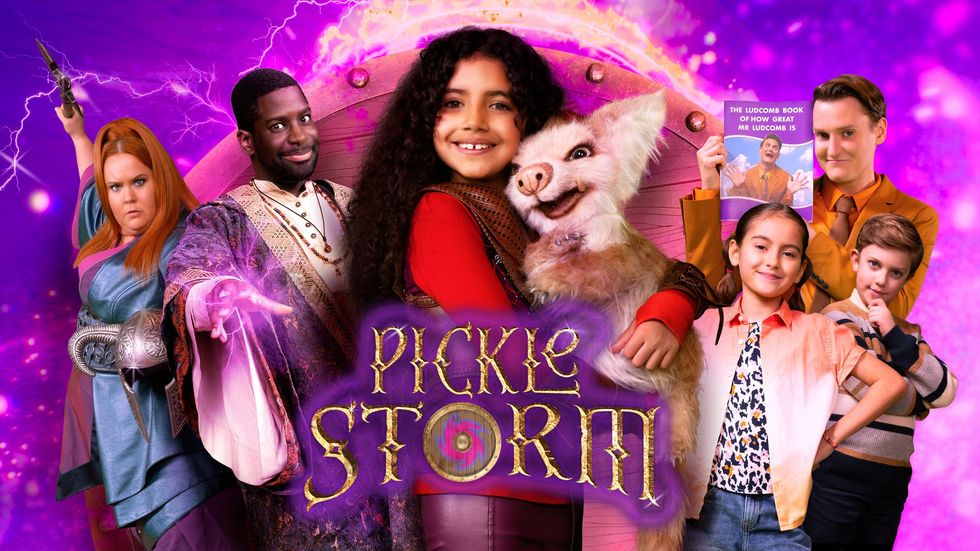
A Telegraph investigation uncovered that campaigners met with producers of the CBBC comedy Pickle Storm, aimed at children around seven years old, as part of efforts to "impact the framing of migration" in programming for young audiences.
BBC
Heard, which has received over £4.5 million in grants since launching in 2021, describes its mission as seeking to "shift public attitudes, norms and policy preferences".
The charity held discussions with the production company Blackdog Television ahead of Pickle Storm's second series release in 2025, according to Heard's own reporting.
The programme depicts Pickle, a young alien escaping persecution on her home world, who settles in a British town, where her family encounters cultural misunderstandings.
A Heard report stated the meetings aimed to "tap into children's media and directly impact framing of migration in children's content", with producers subsequently using this input to inform the new series.
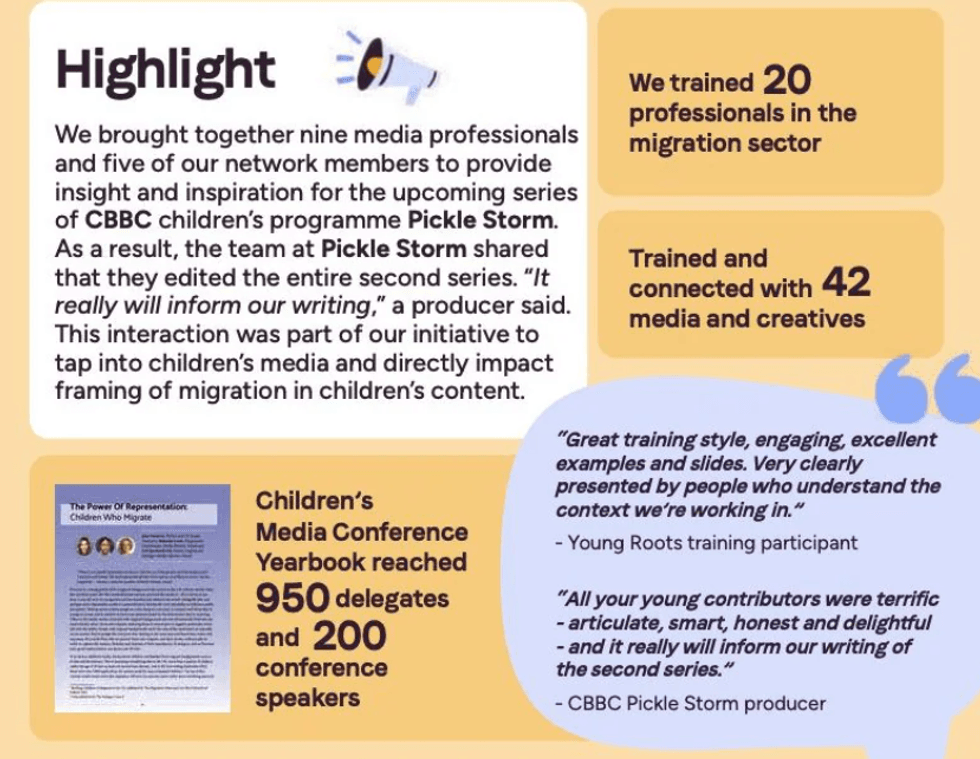
Campaigners allegedly met with producers of a CBBC programme as part of efforts to shape migration narratives
|HEARD
The BBC has maintained that the charity held no power over editing or production decisions, describing consultation with external experts as standard industry practice.
A spokesperson told GB News: “The BBC has full editorial control over all its content.
"It is common practice across the media industry to engage with charities, among others, for research purposes and to help understand different perspectives when working on programmes or news stories.
"However, the BBC has strict guidelines to ensure impartiality and editorial independence.”
LATEST DEVELOPMENTS
- Stacey Solomon shares emotional reaction to Keir Starmer's social media ban announcement: 'Finally!'
- Tom Harwood shares adorable throwback to teenage YouTube channel as he takes dig at social media ban
- Shirley Ballas ignores latest BBC row after 'facing wrath of bosses' over Strictly-themed cruise gig
The BBC said external organisations involved in discussions over programming had no control over editorial decisions
|GETTY
Imix, another organisation backed by the National Lottery and Comic Relief, has focused its efforts on current affairs programming with the explicit goal "to build social support for migration".
The charity, which has received more than £2 million since its 2019 founding, works with "journalists across the media to target 'mixed middle' or 'persuadable audiences'", claiming to have placed hundreds of favourable stories in national outlets.
These placements have included a BBC article headlined: "We fled a war-torn country but found a family," and an Independent feature on LGBT African refugees challenging the asylum system.
Imix has also claimed collaboration with Metro, the Daily Mirror, the Big Issue, and The Guardian, alongside consultation work on Channel 4's drama The Gathering about a Syrian migrant.
The Telegraph investigation revealed that the funding behind these campaigns comes from a network of Left-leaning foundations, including the Esmée Fairbairn Foundation and the Paul Hamlyn Foundation.
George Soros's Open Society Foundations provided seed funding for Pop Change, an initiative run by Counterpoint Arts that seeks to "shift the way we talk, think and feel about migration" through popular culture.
Arts Council England, the publicly funded body, has directed more than £400,000 to Counterpoint Arts over the past five years, with the charity stating its aim to "counter anti-migration narratives".
Comic Relief has also channelled money to both Counterpoint and Heard through its Power of Pop initiative, which aims to harness mass media to "amplify the experiences of racialised communities".
Heard defended its work, with a spokesperson saying to The Telegraph the charity helps media professionals "represent those experiences fairly and accurately" and focuses on "building understanding between people".
An Imix spokesman argued that narrative change involves "listening to people's real concerns, being honest, and meeting them where they are", adding that their work aims to counter "well-funded anti-migrant campaigns and the disinformation that spreads hostility online".
Following the investigation's findings, several critics took to social media to voice their frustration at the revelations.
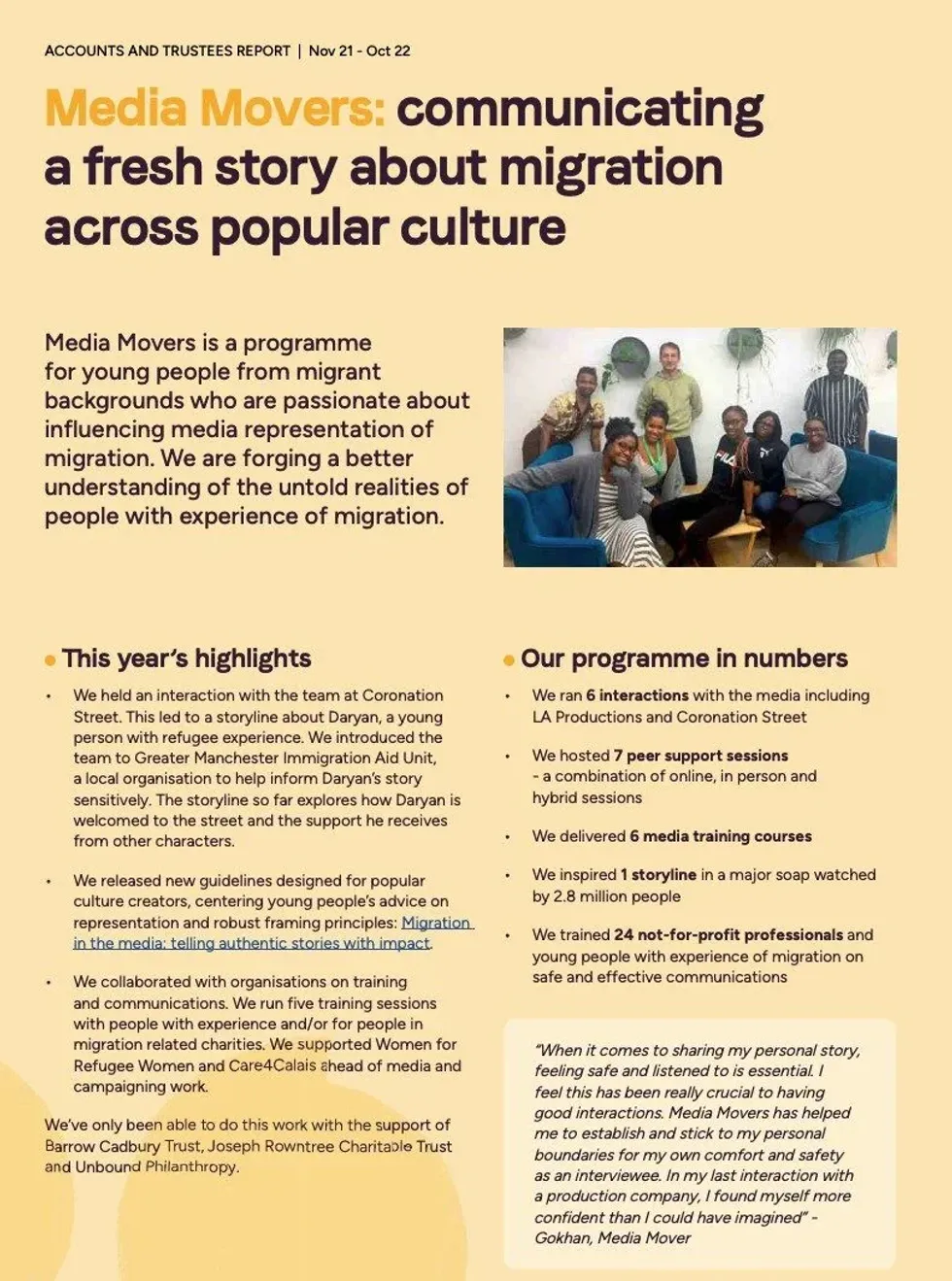
The charities insist their work is focused on improving understanding and ensuring fair representation of migrants
|HEARD
One X user commented: “Doesn’t look like it worked, do they not know people are living in this chaos, living in fear, especially for their children, so it was never going to work no matter how much they sprinkle glitter on it.”
Someone else penned: “That’s why no one watches the biased broadcasting company.”
A third added: "The whole of the @BBC is one lefty, woke, Britain-hating propaganda vessel. Shut it down." (sic)
GB News has contacted the BBC for comment.