



The UK must electrify more quickly to reduce household bills and achieve net zero targets, a new report has warned, with experts divided on the future of electric car goals.
A fresh report from the Climate Change Committee to Parliament states that the Government should "stand firm" behind the Zero Emission Vehicle mandate to ensure EVs "flourish".
The ZEV mandate outlines that manufacturers must have a minimum percentage of sales come from electric vehicles, with a target of 33 per cent by the end of this year.
Targets will continue to rise in the coming years, reaching 80 per cent in 2030 and 100 per cent five years later, when only zero emission vehicles will be on sale.
Recent reports claim that Labour is planning to roll back these electric vehicle targets, potentially to just 50 per cent by the end of the decade.
The report states that manufacturers complied with the ZEV mandate in 2024 when accounting for the in-built flexibilities, with this also expected to be the case in 2025.
Around one in four new cars purchased across the UK is electric, as drivers increasingly opt for cleaner forms of transport.
The market share of petrol and diesel cars continues to fall, especially as manufacturers take steps to phase out polluting vehicles in favour of hybrids and EVs.

Experts have criticised the Electric Vehicle Excise Duty plans to charge EV owners for every mile they drive
|GETTY
Vicky Edmonds, chief executive of EVA England, called on the Government to "keep drivers on side", adding that weakening the ZEV mandate would "be the wrong move".
She added: "It risks knocking confidence just when drivers, manufacturers and investors need certainty.
"The focus now should be on fixing the real barriers: upfront cost, affordable charging for people without driveways, and a second-hand market people can trust."
Ms Edmonds added that the planned introduction of Electric Vehicle Excise Duty (eVED) is "confusing" at a time when Labour is trying to incentivise the uptake of EVs.
LATEST DEVELOPMENTS
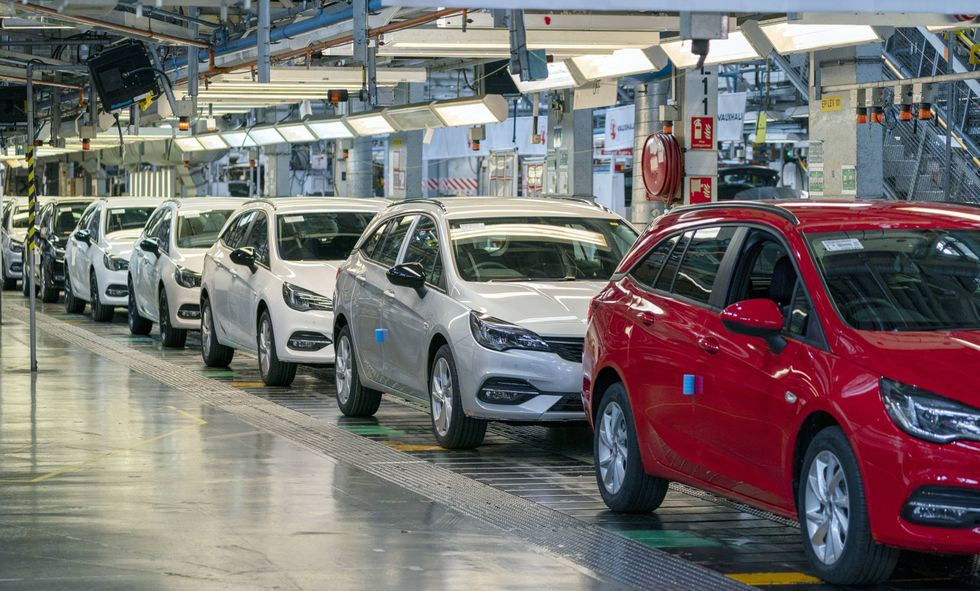
Labour could amend measures in the Zero Emission Vehicle mandate in the coming months
| PAThe planned pay-per-mile car tax will see electric car owners pay 3p per mile, while hybrid drivers face a 1.5p per mile fee when it is rolled out in 2028.
According to the CCC report, the eVED measures "risks confusing market signals for EVs before they have gained primacy in the market".
It highlights that the tax is intended to have electric vehicle owners pay a "fair share" for the upkeep of roads and replace revenue lost from fuel duty.
However, it notes that eVED could bring in an extra administrative burden, which may confuse drivers and impact how many motorists are looking to make the switch.
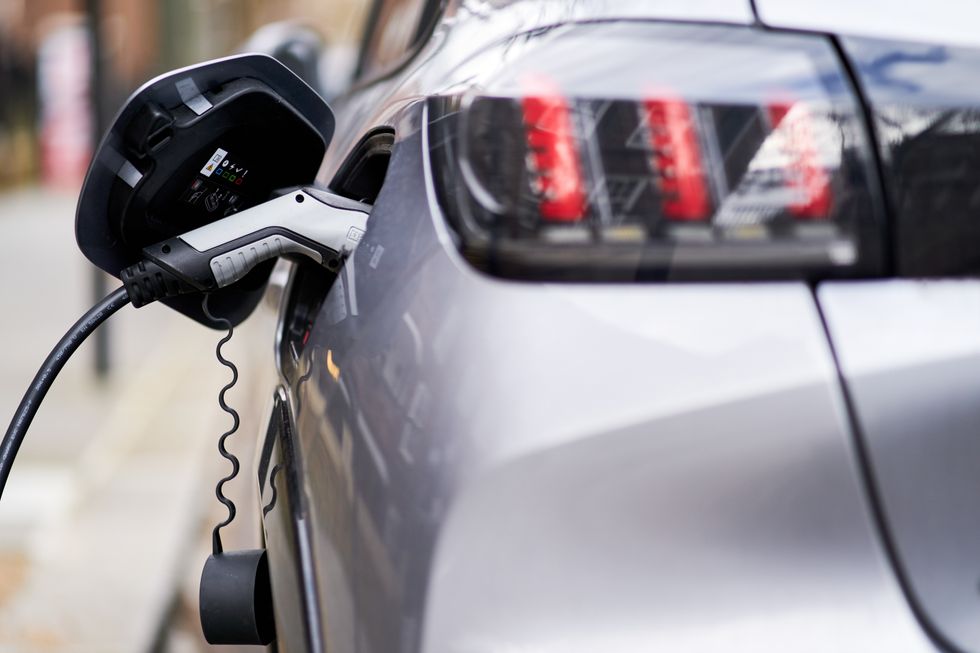
Only electric and hybrid vehicles will be charged per mile from 2028
| PAMatt Galvin, managing director of Polestar UK, stated that it would be an "extraordinary own goal" if the Government were to perform a U-turn on its electric car goals.
He said: "The events of recent years have exposed just how vulnerable British households are to global fossil fuel markets as a result of international conflicts, supply shocks and price volatility.
"That is why we should be accelerating the transition to zero-emission vehicles. It is cutting emissions, creating jobs, attracting investment and unlocking economic opportunities across the country.
"To sustain this progress, we need greater investment in charging infrastructure, particularly in underserved areas; action to end the unfair VAT disparity between public charging and domestic electricity and a pause on EV taxation until electric vehicles become the dominant vehicle type on UK roads."