The Prime Minister says increasing the personal allowance would be difficult because of the UK's financial position
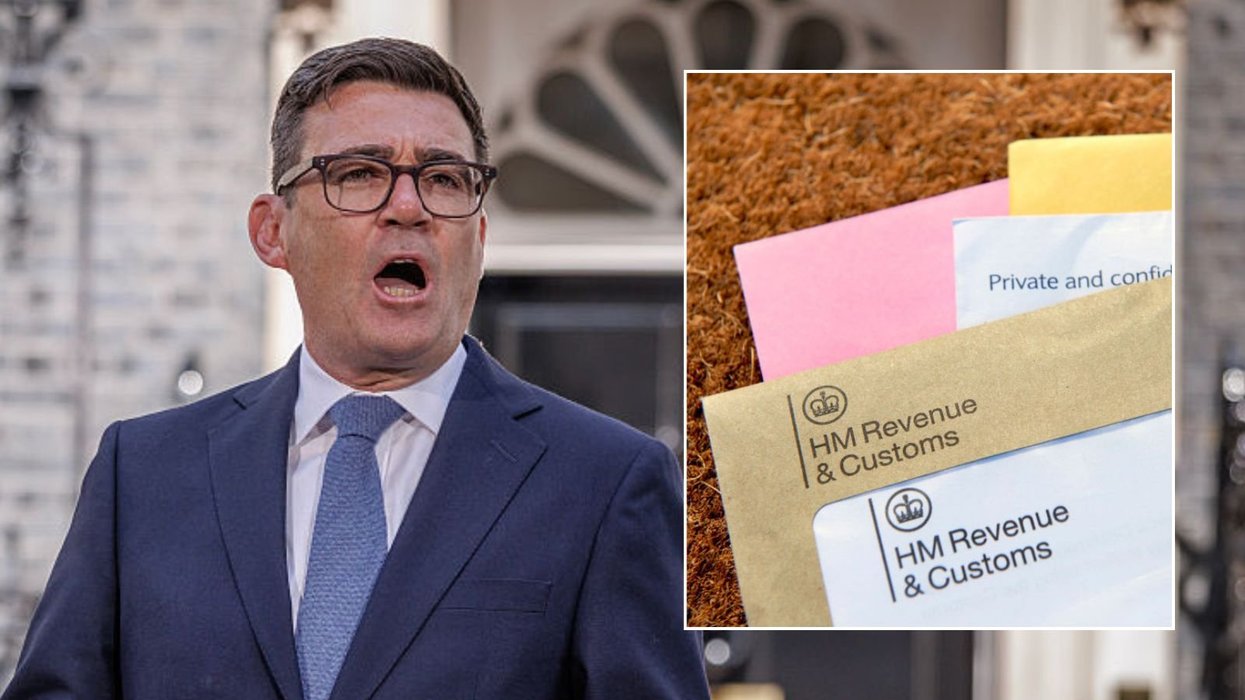
Prime Minister Andy Burnham has stepped back from suggesting raising the income tax personal allowance is a priority after acknowledging the cost of doing so.
Over the weekend, Mr Burnham told The Times the frozen personal allowance was "the thing I heard the most on the doorsteps" in Makerfield, adding it had become "lodged in my mind".
The personal allowance, which is the amount people can earn before paying income tax, has remained frozen at £12,570 since April 2021.
According to figures from the Office for Budget Responsibility (OBR), if the allowance had increased in line with inflation it would now stand at £16,070.
The difference of £3,500 means a basic-rate taxpayer could pay around £700 more in income tax each year than if the threshold had risen with inflation.
Analysis by AJ Bell suggests higher-rate taxpayers could pay as much as £3,500 more a year because of the freeze.
By Monday, however, the Prime Minister said increasing the threshold would be difficult because of the UK's financial position.
Mr Burnham said any increase would be "difficult given the financial circumstances in which we find ourselves".
By the time the freeze is due to end in April 2031, the additional tax paid by a typical basic-rate taxpayer is projected to rise to around £960 a year.
The OBR estimates the continued freeze will bring more than six million additional people into paying income tax while creating 4.8 million new higher-rate taxpayers by the end of the decade.
In 1990, around 1.7 million people paid the higher rate of income tax. That figure has since risen to 7.6 million.
Dan Neidle, founder of Tax Policy Associates, argued increasing the personal allowance may not be the most effective way to reduce taxes.
He said the estimated £6billion cost of increasing the personal allowance by £500 could instead fund a 1p cut to employee National Insurance.
That would save someone earning the median wage around £265 a year, compared with approximately £140 from a £500 increase in the personal allowance, according to Tax Policy Associates.
Mr Neidle also argued lowering National Insurance would reduce the tax paid on each additional pound earned, while increasing the personal allowance provides a fixed tax saving without changing marginal tax rates.
However, pensioners would not benefit from a National Insurance reduction, whereas they could benefit from an increase in the personal allowance if they have taxable income.
Instead of pursuing changes to the personal allowance, Mr Burnham has announced a £2 cap on most single bus fares in England from January and a temporary removal of VAT from domestic electricity bills.
Both policies have prompted questions over how they will be funded. Former Treasury minister Darren Jones described the electricity bill measure as "unfunded".
Transport secretary Heidi Alexander responded by saying his comments were "not the most timely or wise tweet that Darren has ever put out".
Ms Alexander said the bus fare cap would be funded through £454million of redirected spending, largely by converting international climate grants into repayable loans.
She added the electricity bill measure would be funded using £800million released after the Government scrapped the previous administration's Digital ID programme.
Conservative shadow chancellor Sir Mel Stride questioned those funding plans, arguing ministers were "not actually specifying where the money is going to come from".
Sir Mel also said Chancellor John Healey was "somewhat captive to a prime minister who seems to want to go back to the 1970s and huge spending and state intervention".
He accused the Government of pursuing "higher taxes, higher borrowing" and said opposition to welfare reforms among Labour MPs could further limit the Chancellor's options.
According to estimates cited by tax experts, reversing the personal allowance freeze alongside the equivalent National Insurance changes would cost around £44billion a year.
A more limited £500 increase to the personal allowance would cost an estimated £6billion annually while saving a basic-rate taxpayer about £140 a year.