Thank you for subscribing!
Homeowners remortgaging could be paying an extra £1,320 a year
British homeowners are being hit by one of the sharpest rises in mortgage rates across the world's biggest economies, the Bank of England has warned.
Borrowing costs have jumped by around 0.75 percentage points since the outbreak of the Iran war, leaving families remortgaging today facing hundreds of pounds more in repayments.
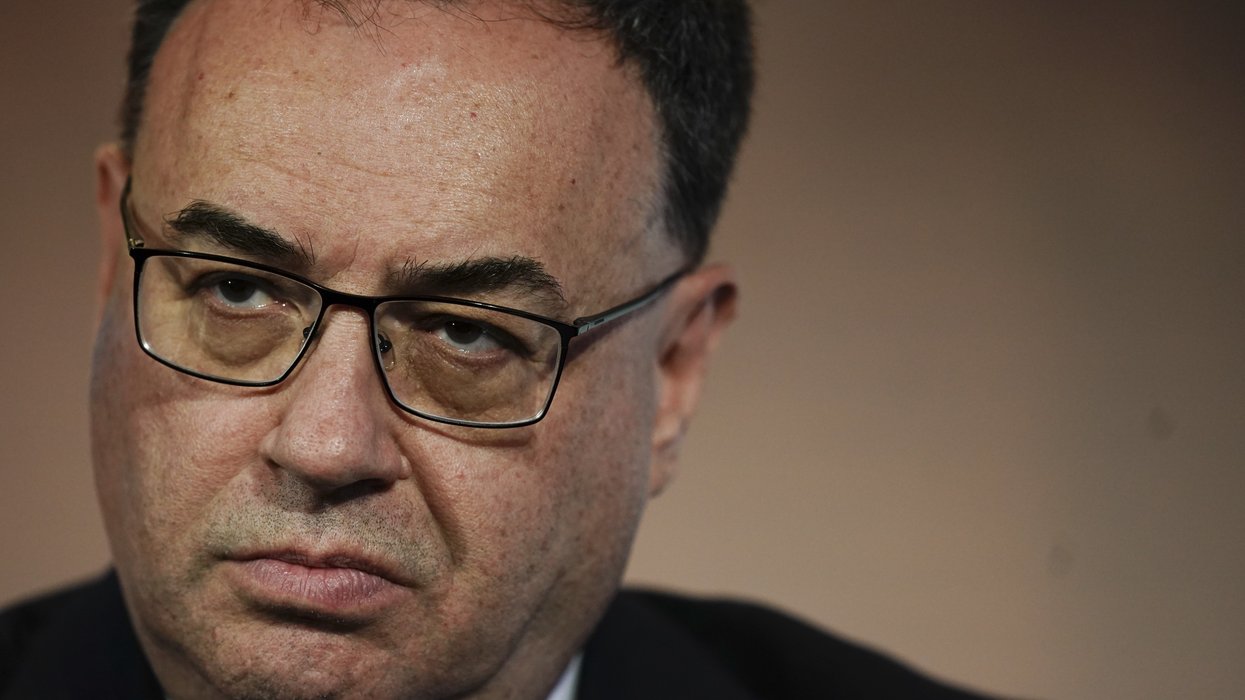
Bank of England Governor Andrew Bailey told MPs that the increase in UK mortgage rates since the conflict began was the largest across the G7, with the possible exception of Japan.
"UK mortgage rates typically are about 75 basis points, 0.75 percentage points, higher than they were at the point the conflict broke out," Mr Bailey told the Treasury Select Committee.
"I think with the possible exception of Japan, though that is a little hard to map, that is the largest increase in mortgage rates in the G7."
The impact is already being felt by homeowners coming to the end of existing deals.
A standard five-year fixed mortgage rate now stands at 5.7 per cent, according to Moneyfacts, up from 4.95 per cent before the conflict began.
Someone taking out a £250,000 repayment mortgage over 25 years at today's rate would face monthly payments of roughly £1,565.
That is around £110 more each month than they would have paid at the rate available before the war, adding approximately £1,320 to their annual mortgage costs.
The increase comes as households are already being squeezed by higher energy costs and inflation running above the Bank of England's two per cent target.
Mr Bailey acknowledged that the risks to inflation "are on the upside", with the conflict continuing to create uncertainty over the path of prices and borrowing costs.
Pointing to continued disruption in the Gulf, he said: "The conflict is still going on. It is also causing a high level of energy prices and also quite a bit of volatility in energy prices.
Inflation currently stands at 2.9 per cent, well above the Bank's two per cent target.
The nine-member Monetary Policy Committee, which Mr Bailey chairs, is due to meet next week to set interest rates.
When the committee last gathered in July, opinion was divided. Six members voted to keep the base rate at 3.75 per cent, while three preferred to raise it to four per cent.
Despite that split, traders expect policymakers to hold rates steady again at next week's meeting.
The Governor noted that higher mortgage costs had emerged even without the Bank actively raising its benchmark rate, as market expectations alone have been enough to tighten financial conditions for households across the country.
Markets are pricing in one rate rise to four per cent before the end of this year. Beyond that, traders are betting on as many as two further increases in 2027, which could push the base rate to 4.5 per cent by next September.
Should those expectations materialise, the squeeze on mortgage holders would deepen considerably. Borrowers coming off cheaper fixed deals in the months ahead would face even steeper repayments than those remortgaging today.
Mr Bailey made clear that the volatility coursing through financial markets can be traced almost entirely to events in the Gulf. "We have got higher energy prices. They could be higher still," he warned.
For millions of homeowners, the path ahead depends heavily on whether the conflict escalates or eases.