The BBC remains open to the idea as more households stop paying the licence fee
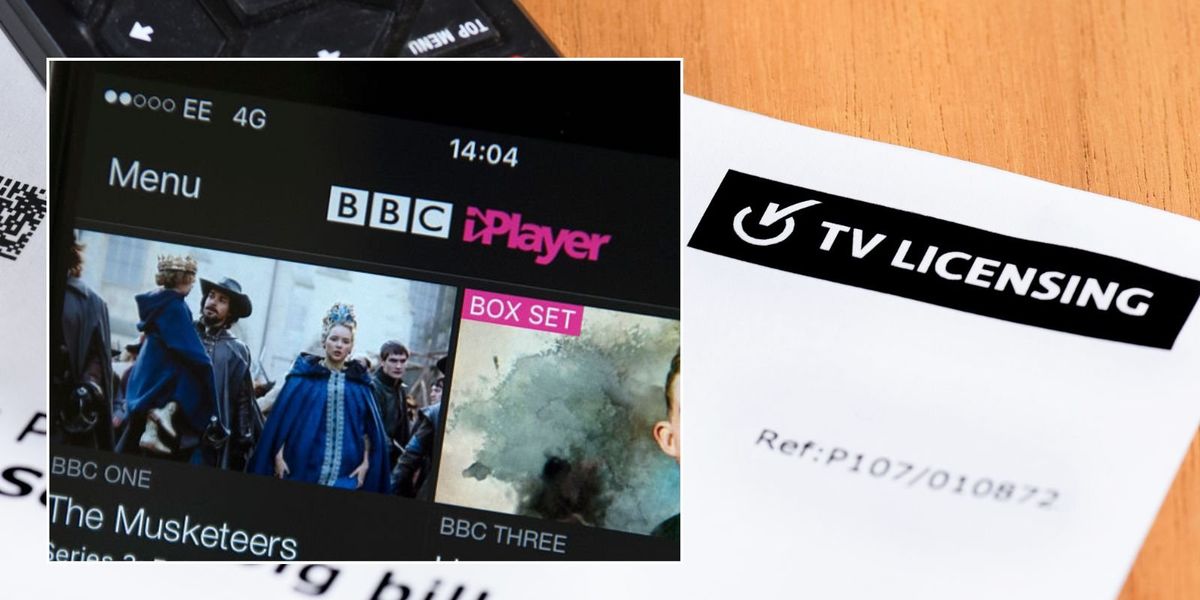
The BBC is weighing up whether to block iPlayer for viewers who dodge the licence fee.
It could mark a dramatic shift in how the corporation tackles non-payment.
Kerris Bright, the BBC's chief customer officer, raised the prospect during an all-staff call on Monday, describing a potential iPlayer lockdown as an "opportunity" the broadcaster may pursue in the years ahead.
Ms Bright indicated that the corporation remains open to the idea as it grapples with a growing number of households choosing not to pay for BBC services.
However, Ms Bright made clear that restricting access to the streaming platform does not make financial sense at present.
She told staff the BBC would continue to monitor the situation as streaming technology develops, keeping the option firmly on the table for the future.
Introducing a paywall would be unlikely to catch many licence fee evaders because iPlayer's audience is largely made up of households that already pay, according to Ms Bright.
She warned that the measure could instead penalise existing customers who contribute £180 a year to access BBC services.
"The vast majority of evasion is not on iPlayer," she told colleagues, according to audio obtained by Deadline.
"To put a gate in front of iPlayer, the data today says that you actually would make it a very difficult experience for people that are paying for the license."
Currently, iPlayer requires users to sign in and periodically asks whether they hold a valid licence, but no proof is needed. Ms Bright acknowledged that asking viewers to dig out their licence details would add unwelcome hassle.
She was blunt about the financial calculus: "There's probably more cost in it than revenue."
The scale of the BBC's funding challenge is stark. More than half a million people stopped paying the licence fee during the corporation's most recent financial year, deepening a financial crisis that has left it unable to fall back on cash reserves.
While 94 per cent of the UK population tunes into BBC content each month, fewer than 80 per cent actually pay for it, a gap the broadcaster is desperately trying to close.
The BBC's funding system could be overhauled as part of negotiations with the Government over the corporation's next charter.
Although the broadcaster has not endorsed a single replacement for the licence fee, it wants ministers to reconsider a compulsory household levy, despite the proposal having previously been rejected.
Director general Matt Brittin has argued that the existing system can no longer meet the BBC's future needs.
He said earlier this month: "We can and should be doing as much as possible on [enforcing] licence fee collection under the current model, but it's yesterday's model, it's a busted flush, it's no longer fit for purpose, and that's why we need to make the case for the BBC and a shift of the licence fee model."
One controversial proposal could require people who subscribe to Netflix, Disney+ or Prime Video to pay the BBC licence fee.
The Motion Picture Association, which represents major US studios and streaming companies, has strongly opposed the idea.
With the BBC reviewing its charter and facing growing financial pressure, the way it is funded could change significantly in the coming years. Restricting access to iPlayer is one of several options being considered.