Thank you for subscribing!
Mr Greer said the US remained willing to discuss the issue with the UK
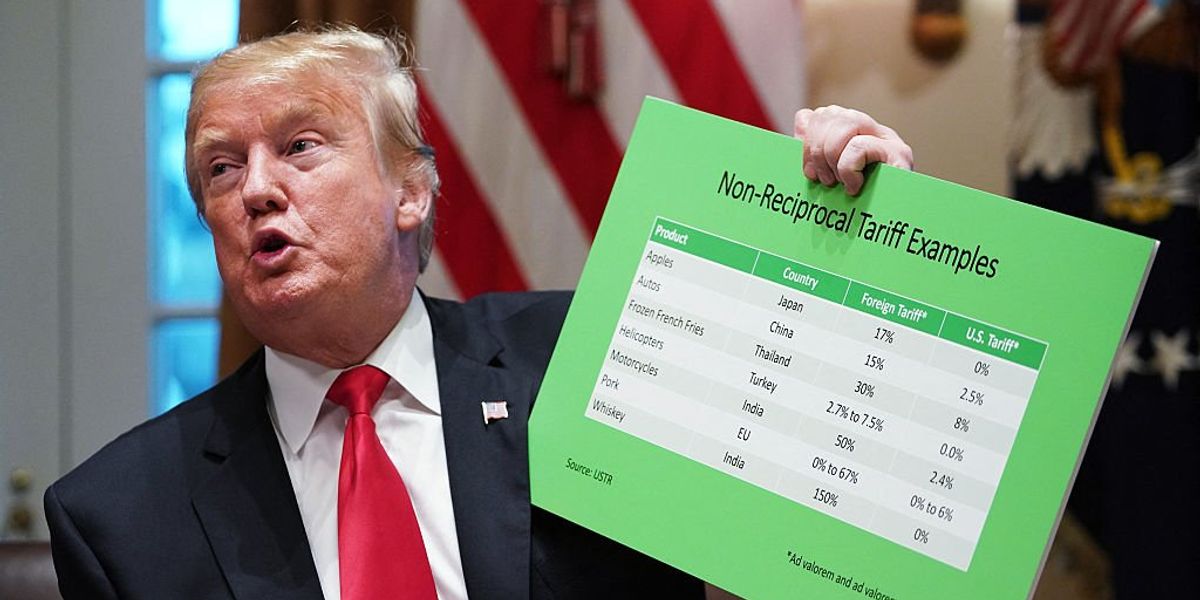
British consumers and businesses could be hit with tariffs of 100 per cent on goods sold to America as Donald Trump steps up pressure on the UK over its tax on major technology companies.
The move could make British products far more expensive in the US, threatening sales, profits and jobs at businesses that rely on American customers.
US Trade Representative Jamieson Greer has confirmed that Mr Trump's threat is "not a bluff", although he did not give Britain a deadline for avoiding the tariffs.
The dispute centres on the UK's digital services tax, which charges two per cent on revenues generated by large search engines, social media companies and online marketplaces.
It applies to businesses with global digital revenues of more than £500million, bringing major American companies including Apple, Google's parent company Alphabet and Facebook owner Meta within its scope.
The tax has become an important source of income for the Treasury. It raised around £800million in the 2024/25 financial year, up from £678million during the previous year.
However, both Mr Trump and his predecessor Joe Biden have objected to the levy, with the US arguing that it unfairly targets American companies.
Mr Trump first warned in May that Britain could face heavy tariffs unless the tax was removed. He escalated the threat the following month by suggesting a 100 per cent charge could be placed on UK imports.
When asked when the tariffs could be introduced, Mr Greer appeared to give Prime Minister Andy Burnham's new Government more time to find a solution.
He said: "I don't set artificial timelines. All I know is the president is eager to enforce our trade policy, he's eager to make sure our companies aren't discriminated against."
A tariff is charged when goods enter another country, meaning American importers would initially pay the extra cost.
They could pass this on to US customers through higher prices, demand discounts from British suppliers or stop buying some UK products altogether.
For British companies, that could mean weaker sales, squeezed profit margins and potential job losses. The impact of tariffs at this level could also outweigh the revenue Britain receives from the digital services tax.
Mr Greer said the US remained willing to discuss the issue with the UK, but stressed that Mr Trump was serious about getting digital services taxes removed.
In a June post on Truth Social, Mr Trump wrote: "Please let this statement serve to represent that any Country that imposes such a Tax will immediately be met with a 100 per cent TARIFF on any and all Goods sent to the United States of America."
Despite the tensions, Mr Greer indicated that diplomatic channels remain open. Speaking to The Times, he described his working relationship with UK business and trade minister Jonathan Reynolds as positive.
"We've had very constructive relationships, we'd love to keep talking to them about this issue," he said. "The president is quite serious about digital services taxes all over the world, we've had Canada roll back one, we've had other countries decline to move forward."
Mr Greer made clear that Washington's ultimate objective is the complete removal of the tax.
"We have a handful of countries in Europe and the UK who have these in place, so we're interested in seeing those eliminated," he said. "We're always happy to talk to our UK counterparts about the best way to do that."
The tariff landscape shifted further in July when the US imposed new levies on 60 nations, cutting rates for European Union member states from 15 per cent to 10 per cent, bringing them level with Britain's existing 10 per cent rate.
That equalisation prompted alarm from the head of the British Chambers of Commerce, who warned that the UK had surrendered its competitive edge over the EU in accessing the American market.
The stakes are considerable: the United States remains the single largest destination for British exports.
The dispute over the digital services tax added further pressure to the UK-US trade agreement struck last year, which was already showing signs of strain during Sir Keir Starmer's final months in office amid American criticism of his positions on North Sea drilling and migration.