Thank you for subscribing!
A barrel of oil topped £100 and gas reached its highest since the start of Russia's invasion
Gas prices hit their highest in almost four years as US forces struck Iranian tankers in the Gulf.
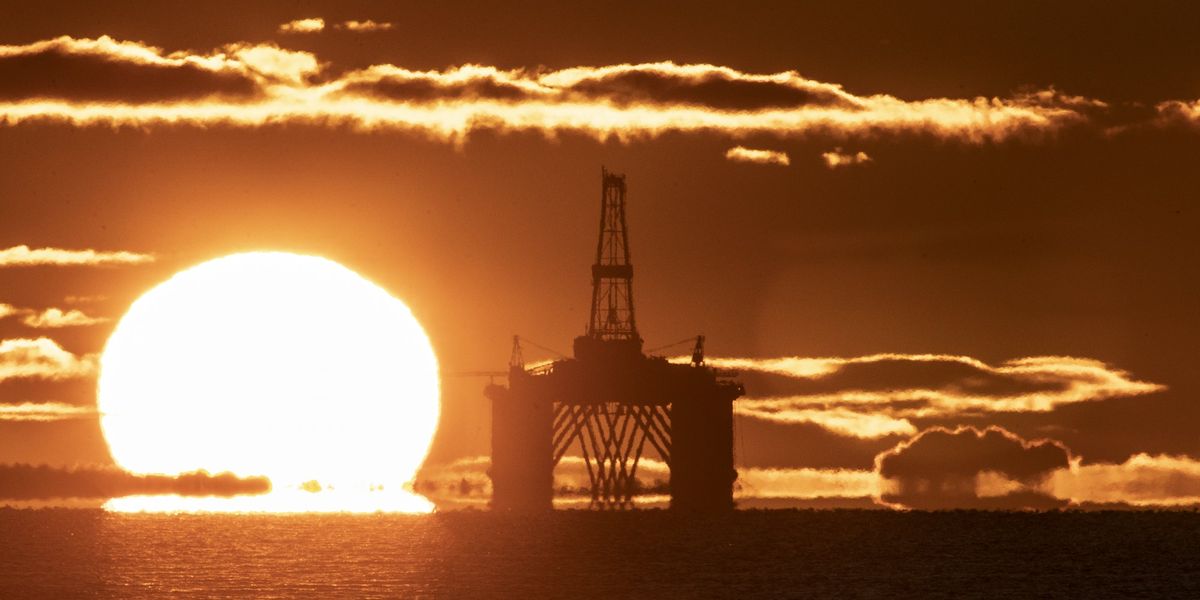
Oil topped £100 a barrel and gas reached its highest since the energy shock caused by the Ukraine invasion, with American warships and air bases targeted by the Iranian regime. Analysts warned sustained high prices will lead to soaring inflation, as well as rising energy bills this winter.
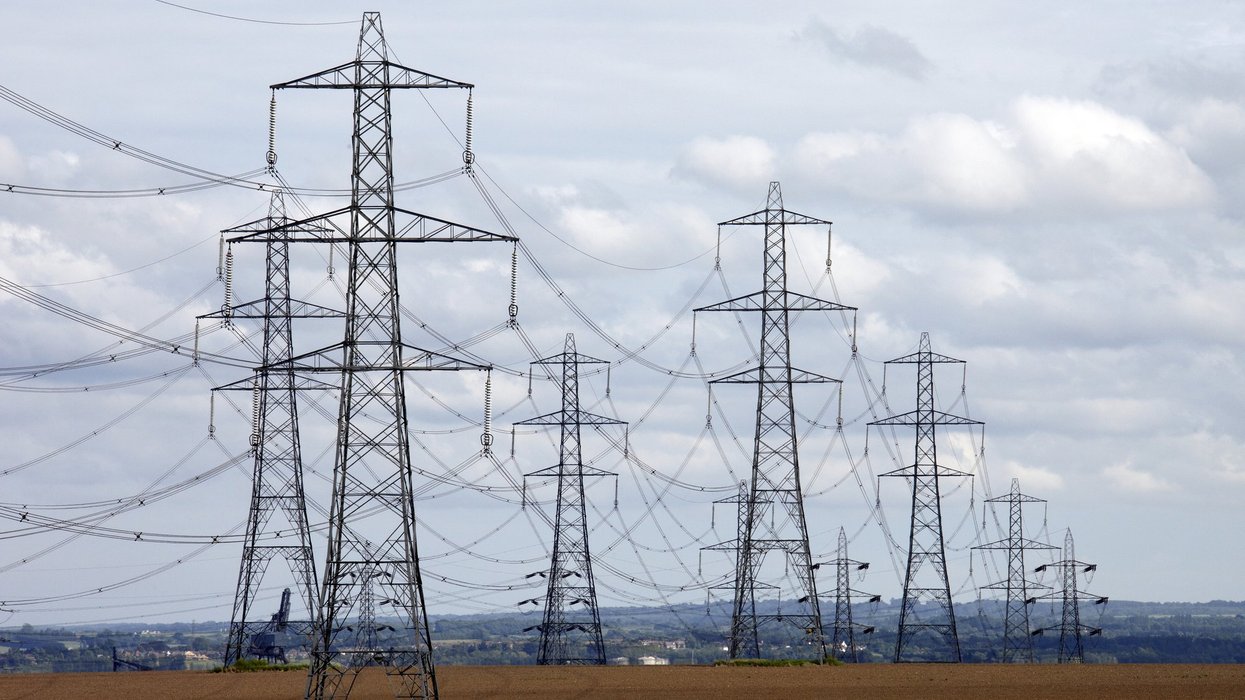
Gas storage in the UK and Europe is at its lowest in 13 years, meaning more imports could be needed. The cost of government borrowing is also likely to increase ahead of Chancellor John Healey’s Budget, due next month, it was warned.
Strikes between the US and Iran have escalated this week. America hit four tankers in the Gulf of Oman and a fifth near Kharg Island, the central export hub of Iran’s oil sector. Iran then launched missiles at an American base in Jordan.
The majority were shot down with the others missing their target, Jordanian authorities said. Tehran also claimed to attacked two US ships and eight tankers in the Strait of Hormuz, the vital oil waterway that has been central to the conflict.
This followed Tuesday’s attacks on Saudi Arabia, launched by Houthis rebels in Yemen. In the UK, gas contracts climbed four per cent, reaching their highest since 2022, when Russia’s invasion of Ukraine caused an energy crisis.
They have risen 88 per cent since the start of July. Oil rose above $100 a barrel for the first time since July.
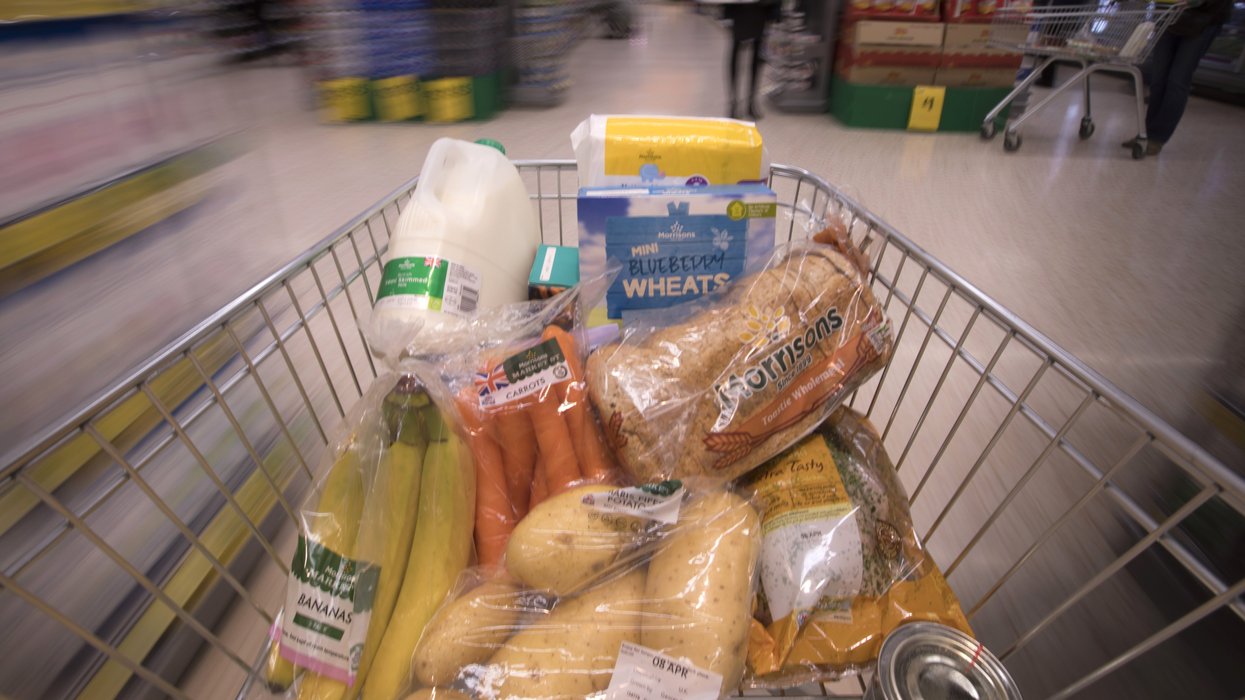
Petrol at the pump has risen by 4.4p a litre and diesel by 4.1p a litre since September 1, according to the AA. Experts said the rising tension was adding to a “toxic cocktail of inflationary pressures”.
Susannah Streeter, chief investment strategist at Wealth Club, said: “Far from showing signs of resolution, the conflict in the Middle East appears to be becoming more entrenched, creating chronic supply concerns around crude and gas, while intensifying trade battles threaten to push up the cost of goods just as central banks are trying to get inflation under control.
"Given the sustained impact of higher energy prices, the worry is that firms will have little choice, other than to raise prices, which risks creating another inflationary spiral.
“The prospect of higher rates is showing up in the bond markets, with gilt and Treasury yields shifting up yet again, making borrowing more expensive for governments, increasing the prospect of higher interest payments on the huge debts already piled up.”
Although other nations had increased their oil production, this was unlikely to counter the chaos in the Middle East, she said, predicting prices could stay “stubbornly around $100 a barrel”.
She said: “UK and European gas prices have also risen again to levels not seen since December 2022. Usually, weaker demand for gas and lower prices during the summer months means stocks can be replenished, but the crisis has kept this process on go slow, and as we head towards the colder winter months, storage levels in the UK and Europe are the lowest for 13 years, keeping nations reliant on imports of expensive supplies.
“It’s set to add to the bill burden of households this winter, with domestic energy prices set to ramp up if a resolution to this conflict remains elusive.”
Richard Hunter, head of markets at Interactive Investor, said: “The outlook in the Middle East has recently worsened once more, with any signs of detente looking elusive. Fresh fighting in the region has seen Iran targeting a US base in Jordan as retaliation for US strikes on some of its oil tankers, while Iranian-backed Houthis struck several cities in Saudi Arabia.
“Such focus comes at a time when consumers could be affected by the lack of supply as the colder seasons approach. This adds another level to the inflationary concerns which have blighted investor thinking over recent weeks.”
Dr Simon Cran-McGreehin, of the climate think-tank the Energy and Climate Intelligence Unit, said the crisis demonstrated the need to ditch fossil fuels for renewables.
He said: "With gas prices never fully recovering from the crisis caused by Putin's invasion of Ukraine, the ongoing US war with Iran is dragging us back into the ominous territory of wholesale gas prices last seen in 2022, which – alongside high oil prices – are pushing up bills and driving wider inflation.
"The cost to the UK of this fossil fuel rollercoaster exceeded £180billion in four years, and the first six months of the Iran war added another £10billion in energy costs, and now households and businesses are facing another winter with rising bills.
"Only by getting off gas and oil can we protect ourselves from volatile international fossil fuel markets.”