



HM Revenue and Customs (HMRC) is stepping up its efforts to tackle criminal activity on Britain's high streets, with more than 30,000 enforcement actions planned during the current financial year.
The tax authority is significantly expanding its campaign against tax evasion, money laundering and illicit trading carried out through businesses operating across the UK.
Exchequer Secretary to the Treasury Dan Tomlinson issued a warning to those involved in illegal activity.
Mr Tomlinson said: "HMRC is stepping up its action to go after illegal activity on our high streets. Owners of dodgy shops that are evading tax: we are coming for you."
He said criminal enterprises had harmed local communities and unfairly disadvantaged legitimate businesses for too long.
Mr Tomlinson added: "This is a sustained, nationwide effort and HMRC and its partners will use every power available to dismantle these criminal networks."
At last autumn's Budget, the Chancellor announced the creation of a specialist team of 350 criminal investigators to target tax evasion involving smaller businesses.
HMRC said the unit is now fully operational and deployed nationwide.

'We are coming for you': HMRC launches major crackdown with 30,000 high street enforcement actions planned
|GETTY
Around half of the team's investigations focus on businesses suspected of acting as fronts for wider criminal activity.
HMRC and partner agencies are carrying out inquiries into individuals believed to be organising and facilitating high street crime.
Investigators are examining vape shops, barbers, souvenir stores, sweet shops and convenience stores suspected of being used to launder criminal proceeds or evade tax liabilities.
Cash-intensive businesses with suspected links to organised crime are also facing increased scrutiny.
LATEST DEVELOPMENTS
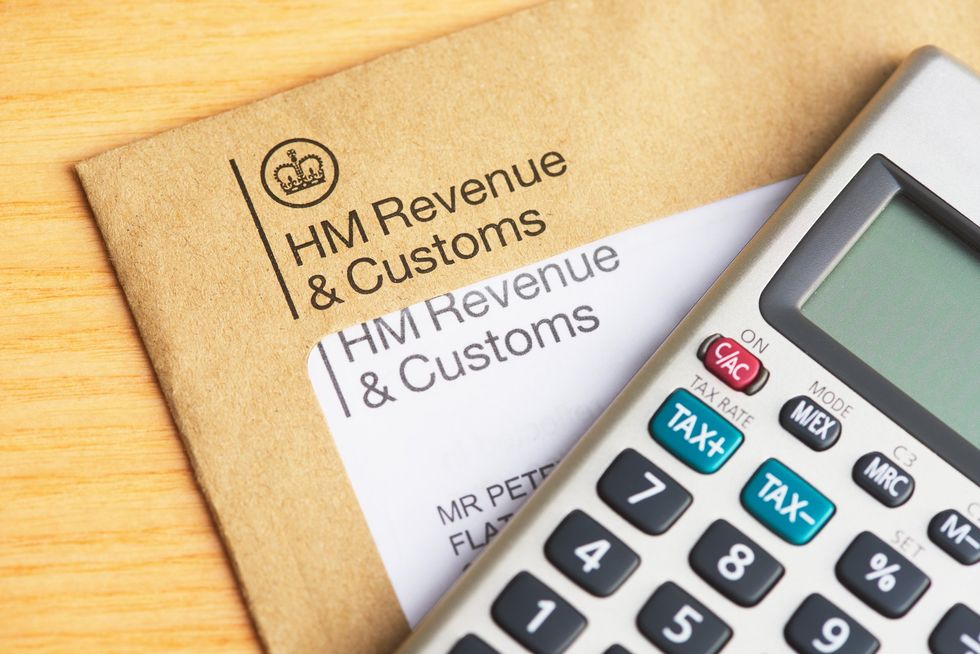
The crackdown extends to company directors who repeatedly dissolve businesses before setting up new firms, as well as those using electronic tools designed to manipulate sales records
| GETTYRecent enforcement activity included unannounced visits to six souvenir shops in central London.
HMRC officers were joined by officials from Home Office Immigration Enforcement, Westminster City Council Trading Standards and the Metropolitan Police.
The businesses sold royal family memorabilia, London-themed gifts and wizard-themed merchandise.
Investigators downloaded till records from each premises and tax compliance investigations are now under way.
Immigration officers arrested three people for alleged immigration offences during the operation.
One business was issued with a £40,000 civil penalty after employing an individual who did not have the legal right to work in the UK.
Trading Standards officers seized goods worth £5,433, including 289 disposable vapes, 173 squishy toys, counterfeit bags, hats, scarves and travel adaptors considered unsafe.
HMRC said intelligence gathered during the operation will help inform future enforcement activity.
The Home Office launched a High Street Organised Crime Unit last month, supported by £30million of funding.
The unit brings together HMRC, police forces, Trading Standards, the National Crime Agency and other Government departments to target criminal networks operating through legitimate-looking businesses.
The initiative follows Operation Machinize 2, which was led by the National Crime Agency in November.
HMRC deployed more than 160 officers as part of the nationwide operation.
The agencies involved reported 924 arrests and seized £13million in suspected criminal assets.
HMRC has also pledged to take action against businesses using electronic till suppression tools, targeting both suppliers and operators of systems designed to conceal sales.
Companies found to be breaching National Minimum Wage legislation may also face investigation as part of the wider enforcement programme.