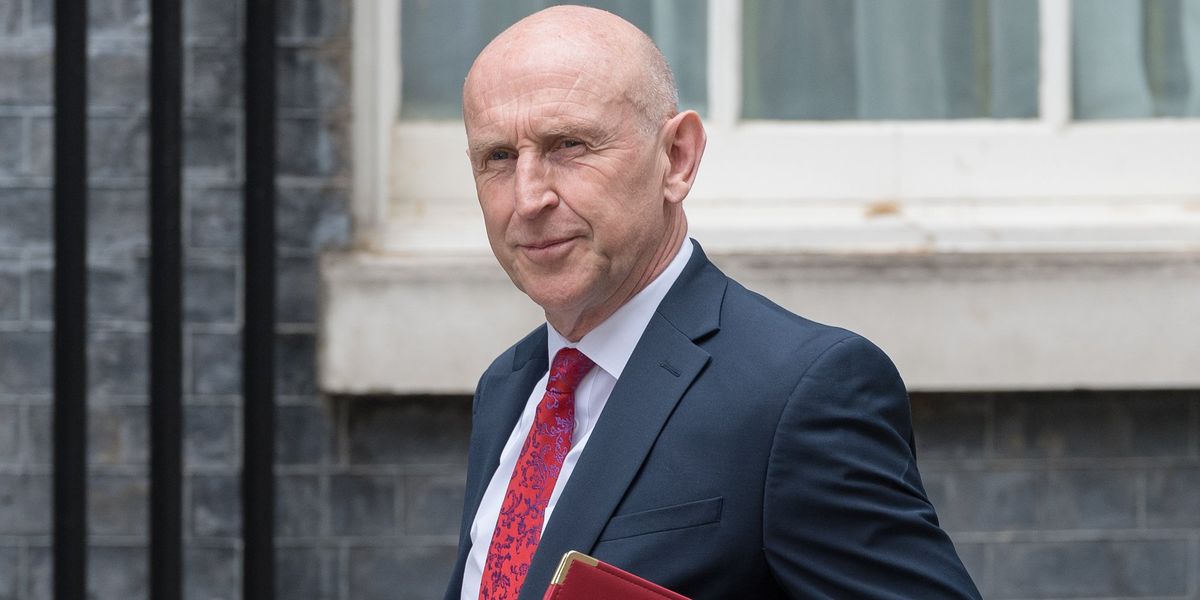
Chancellor John Healey has said he will deliver his first Budget on Wednesday October 28, 2026.
The announcement comes after Labour announced a succession of spending commitments, including the £2 bus fare cap, reforms to social care and the temporary removal of VAT from electricity bills.
Economists have suggested these spending commitments will need to be met with higher taxation, with No. 11 having very little room for extra borrowing within the current fiscal rules.
Announcing the date, Mr Healey promised plans would be “built on fiscal discipline”.
He said the Budget would “meet our fiscal rules” and “give businesses and families some of the stability they need to plan for the future”.
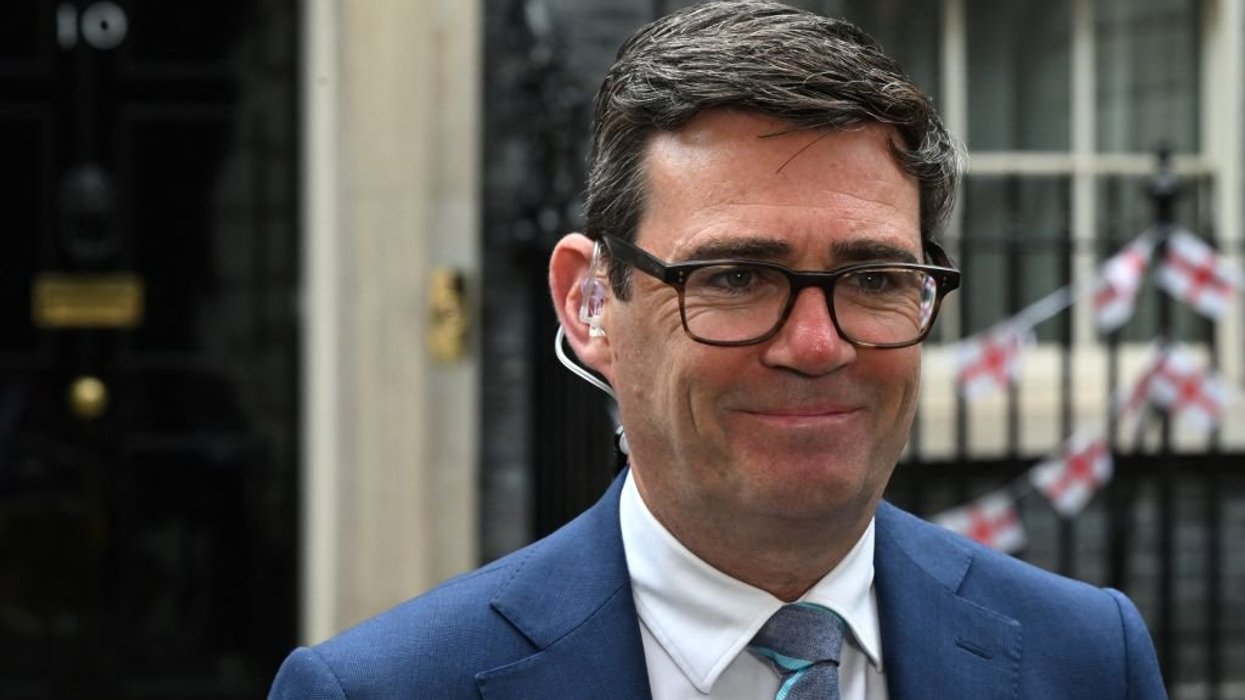
Looking back at Andy Burnham’s first two weeks as Prime Minister, Mr Healey said the new Government was “working fast to restore hope and back Britain’s communities” and had “begun to kickstart growth in every postcode”.
Mr Burnham has faced growing pressure to raise income tax after a leading economic think tank identified a £24billion shortfall in the Government's spending plans.
The National Institute of Economic and Social Research (NIESR) warned that persistent inflation is rapidly eroding the real value of planned spending on public services, including hospitals and schools, through to the end of the decade.
The think tank said the Government should increase income tax to close the funding gap, a move that would break Labour's commitment made to voters at the 2024 General Election.
Its findings leave Mr Burnham and Chancellor John Healey facing a choice between finding billions of pounds in additional revenue or accepting real-terms reductions to departmental budgets.
NIESR forecasts inflation will reach 3.8 per cent by February 2027 and does not expect it to return to the Bank of England's two per cent target before 2029.
Stephen Millard, deputy director at the National Institute of Economic and Social Research, said: "Corporation tax in particular has a negative effect on growth.
"Increases in VAT have effects on expenditure and demand, so you probably don't want to be increasing that at a time when demand is possibly weakening anyway.
"And, of course, VAT is highly regressive, it affects poorer people much more."
Mr Millard added: "Rises in income taxes do have some effect on growth, but the effects tend to be very small."
HM Revenue and Customs (HMRC) estimates suggest adding one penny to the basic rate of income tax would raise £8.2billion a year.
Increasing the higher rate by one percentage point would generate £2.1billion, while a comparable rise in the additional rate would raise £230million.
Income tax is already the Treasury's largest source of revenue, with receipts projected to reach £360billion this year.
Rising inflation is increasing the cost of Government borrowing, with the Treasury now paying more than 4.9 per cent on 10-year gilts, a higher rate than any other G7 nation.
Investment managers Invesco and Rathbones have reportedly reduced their holdings of UK Government bonds because of concerns over inflation.
British households are also expected to face weaker income growth over the coming years.
Disposable incomes are forecast to increase by just one per cent this year before slowing to 0.1 per cent in 2027 as wage growth struggles to keep pace with rising prices.
NIESR forecasts unemployment will rise from 4.9 per cent to 5.3 per cent by the end of the year.
Annual pay growth is also expected to slow from 4.3 per cent to 3.3 per cent next year.
The think tank also warned that more than one million people aged between 16 and 24 who are not in employment, education or training are expected to remain outside work or study through to the end of the decade.
Poor mental health is frequently identified as a key factor preventing many young people from entering or returning to the workforce.
Mr Burnham has pledged to reform the school curriculum by placing greater emphasis on technical education in an effort to improve employment prospects for young people.
A Treasury spokesman said: "Fiscal discipline is the bedrock of economic stability and national security. That is why we will meet our fiscal rules, while continuing to invest in the public services people rely on."