Consumer finance expert says forecast energy price cap increase is expected to outweigh the Government's tax cut
Martin Lewis has warned Prime Minister Andy Burnham's decision to scrap VAT on electricity bills will leave households seeing little tangible benefit.
The consumer finance expert described the £850million measure as "a good totemic step and very welcomed", but cautioned a forecast 3.1 per cent rise in the energy Price Cap from October 1 would largely wipe out the promised £45 annual saving.
On an annual basis, the anticipated Price Cap increase amounts to more than £50 on a typical household bill, comfortably exceeding the value of the tax reduction.
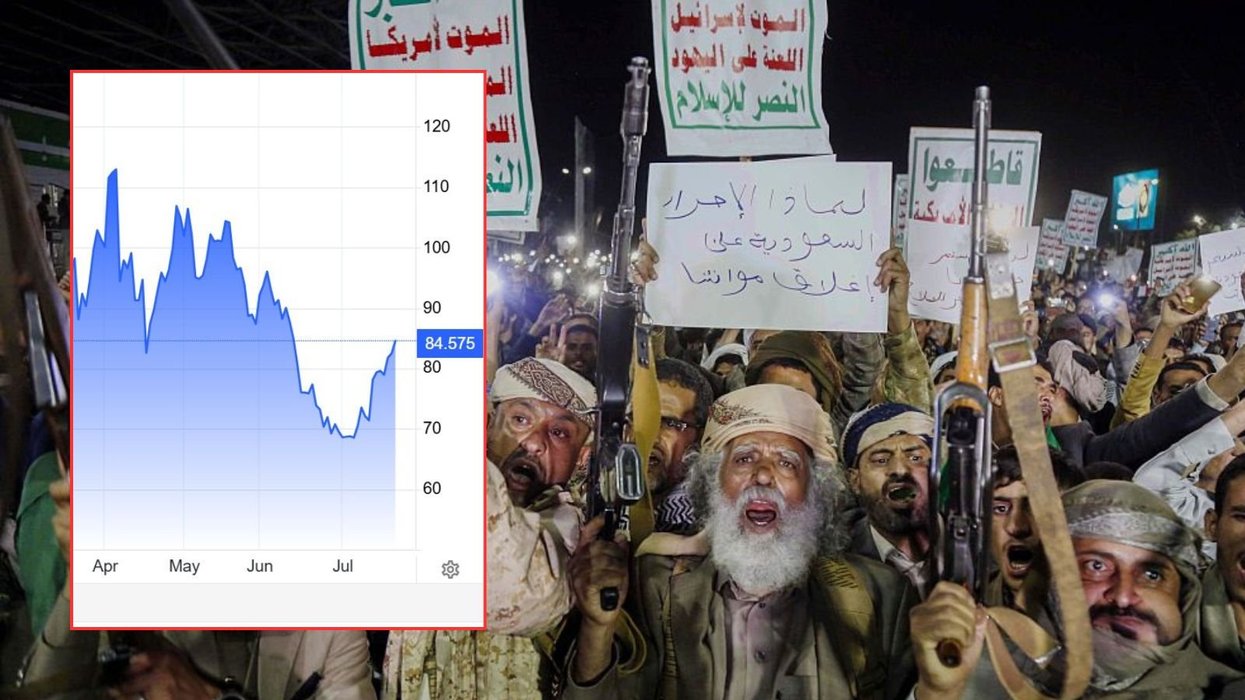
With further price rises predicted for January and wholesale energy costs climbing amid ongoing instability in the Middle East, Mr Lewis said households were unlikely to feel a significant improvement in their finances despite the Government's intervention.
Andy Burnham, the Prime Minister and former Greater Manchester mayor, entered Downing Street on July 20 as Britain's 59th Prime Minister following Sir Keir Starmer's resignation.
He announced the policy on his second day in office, confirming VAT would be removed from household electricity bills for six months from October 1.
Labour estimates the measure will reduce electricity bills by 4.8 per cent during the six-month period.
The tax cut applies only to electricity rather than gas, with energy suppliers expected to pass the saving on to all customers, including those on fixed-rate tariffs.
Funding for the policy will come in part from scrapping Sir Keir Starmer's digital ID programme, which had an estimated annual cost of £600million over three years.
He said: "We're taking immediate action to cut taxes on energy bills, put more money in people's pockets and bring back hope."
Mr Lewis outlined his concerns in a post on X, telling his 3.2 million followers the six-month VAT saving would be "mostly eaten up" by the expected October Price Cap increase.
He said analysts were already well into the assessment period used to calculate the autumn cap, making the current 3.1 per cent forecast a credible estimate.
Mr Lewis wrote: "Another way to put it in context of what '4.8 per cent' means. Ten days ago the cheapest fix was 14 per cent less than the Price Cap, now it is eight per cent less as wholesale rates have jumped due to the Middle East conflict."
He added while another increase in the Price Cap was expected in January, that prediction remained "far more crystal ball gazing".
The warning comes as households continue to face elevated energy costs.
A £221 increase to the energy Price Cap took effect on July 1, taking the annual bill for a typical household to £1,862.
Analysis from Cornwall Insight suggests the Price Cap could fall by around 0.5 per cent in October compared with July, although forecasts remain subject to changes in wholesale markets.
Geopolitical uncertainty continues to influence wholesale energy prices, with developments surrounding the Strait of Hormuz, ongoing conflict in the Middle East and uncertainty over regional infrastructure all contributing to market volatility.
The October Price Cap adjustment will also coincide with the period when many households begin increasing their energy usage as temperatures fall.
Although Mr Lewis said removing VAT from electricity bills would still leave consumers paying less than they otherwise would have done, he argued further action would be needed before households noticed a meaningful reduction in living costs.
Mr Lewis wrote: "It is going to need a lot more policy cost reductions, likely at the budget, for things to feel materially cheaper."
He also welcomed the Government's decision to focus the tax cut on electricity rather than gas.
Mr Lewis said it had long appeared contradictory for policy to encourage households to move away from gas while electricity remained comparatively more expensive. Although the VAT cut helps address that imbalance, it is unlikely on its own to transform household finances.