Rising living costs and longer retirements are forcing older households to rethink their housing plans
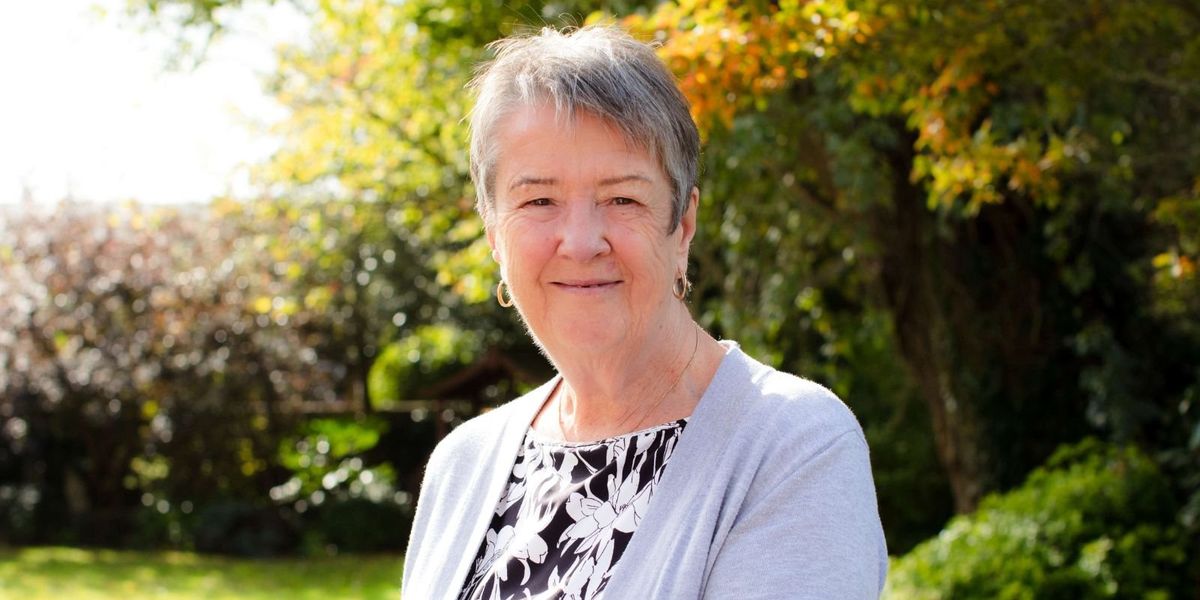
Selling the family home allowed one pensioner to help her son onto the property ladder while reducing the pressures she faced in retirement.
Her decision reflects a wider shift that could see one in three pensioner households renting by 2044, new figures show.
Many retirees hold a large proportion of their wealth in their property but cannot access that money without selling or downsizing.
Longer lives, changing housing needs and rising living costs could therefore encourage more pensioners to consider renting.
The former legal secretary sold the property and moved into a rented apartment at Homeshore House, a retirement community in Seaford, East Sussex.
As well as seeking a quieter life by the coast, Ms Wray wanted to release money from her home to support her family.
She said: "I used to own a lovely house but maintaining it was getting harder. I also wanted to free up some money so I could help our son with a deposit for his own place."
One in three pensioner households could be renting by 2044, according to projections from the Pensions Policy Institute published in a report by the Association of British Insurers.
The findings challenge the traditional view that owning a mortgage-free home is essential for financial security in retirement.
My Future Living, a retirement rental specialist, said the changing housing landscape could prompt more older homeowners to reconsider whether remaining in the family home is their best option.
Ms Wray said renting had also removed the stress of dealing with repairs herself.
She added: "I now have a worry-free life, and if something needs fixing, it's sorted very quickly with no stress."
"It was a great decision to move and now every day I enjoy stress-free living."
Joanne Couch, Director of Finance and Operations at My Future Living, believes the traditional model of retirement is shifting fundamentally.
"For generations, owning a home has been viewed as the ultimate retirement goal. But retirement is changing," she said.
"People are living longer, housing needs are evolving and many older homeowners are now asset rich but cash poor."
Ms Couch acknowledged that selling up or renting will not suit everyone. However, for those it does work for, the advantages can be significant.
"Downsizing or renting will not be the right choice for everyone, but for some people it can release money tied up in their home, reduce financial pressures and provide a lifestyle better suited to their retirement years," she said.
"Renting in a retirement community offers the independence of your own home, with the reassurance of a friendly, supportive environment whenever you need it."
With the number of pensioners renting expected to rise sharply over the next two decades, retirement rental properties could become a more important part of Britain's housing market.