Thank you for subscribing!
The increase would push the full new state pension above £13,000 a year
State pensioners could be handed an annual boost of around £515 from next April under the triple lock.
The increase would push the full new state pension above £13,000 a year for the first time, if wage growth remains at its current level.
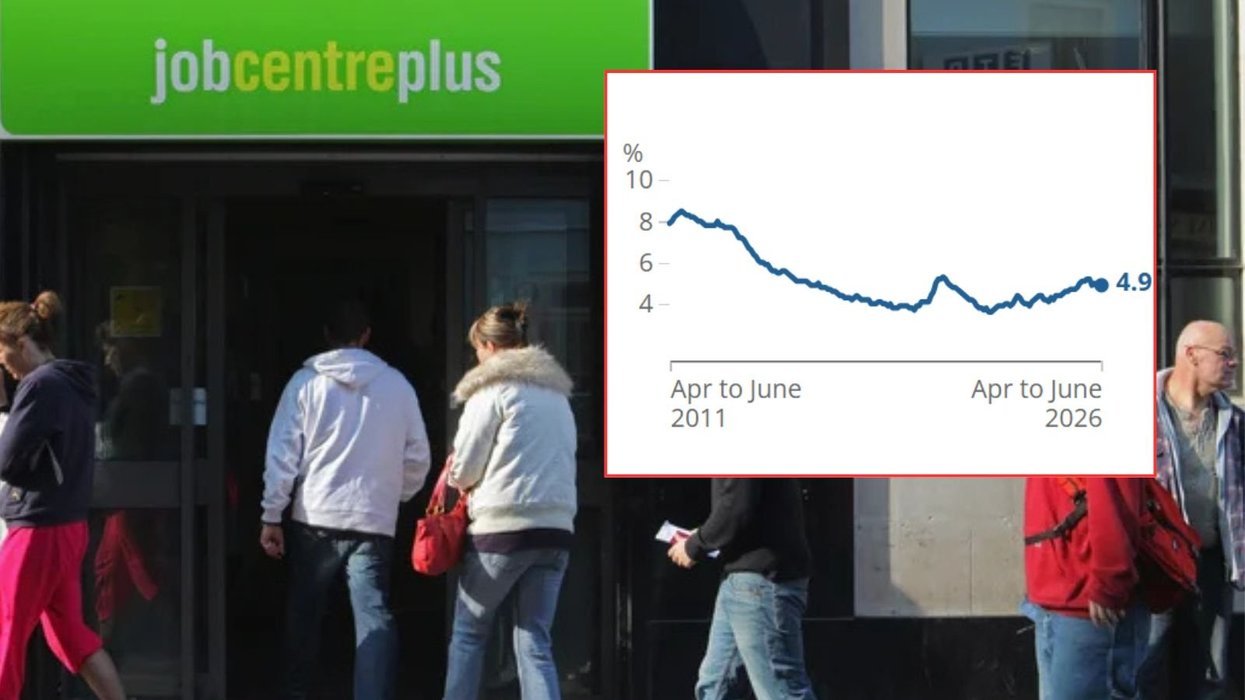
Average earnings, including bonuses, rose by 4.1 per cent between April and June, comfortably ahead of CPI inflation, which currently stands at 2.6 per cent.
The state pension triple lock guarantees that payments rise each year by whichever is highest: average wage growth between May and July, September's CPI inflation figure, or 2.5 per cent.
Next month's wage growth figure will be crucial in determining how much pensioners receive from April 2027. Unless inflation rises sharply or earnings growth falls, wages look likely to trigger the triple lock increase.
If wage growth remains at 4.1 per cent, the full new state pension could rise from £241.30 to around £251.20 a week, leaving recipients roughly £515 better off over the year.
The full basic state pension could increase from £184.90 to approximately £192.50 a week.
That would be slightly more generous than the Office for Budget Responsibility's latest forecast. Its March Economic and Fiscal Outlook assumed the state pension would rise by 3.7 per cent next year.
Steve Webb, partner at pension consultants LCP, said it was "highly likely" that average earnings growth would determine next year's increase.
He said: "Unless things change sharply in the next month, those on the new state pension can expect to see an increase of around £500 per year next April."
However, Mr Webb warned of a "sting in the tail", as the increase would push the standard new state pension above the income tax threshold.
He called on the Government to explain urgently how it would honour its pledge to ensure pensioners who depend entirely on the new state pension are not charged income tax next year.
Helen Morrissey, head of retirement analysis at Hargreaves Lansdown, said: "This could prove to be an interesting figure for state pensioners as next month's data is a key part of the formula for the state pension triple lock."
"With inflation standing at 2.6 per cent, this suggests, barring a shock inflation spike over the next couple of months or collapse in average wage growth, that wages will be the element used."
Ms Morrissey described the potential rise as an "inflation-busting increase" that would be welcomed by pensioners, but warned that the state pension on its own "does little more than cover the essentials".
"If you want more from your retirement, then you need to make the most of your workplace and personal pensions," she said.
The state pension was increased by 4.8 per cent this past April, taking the full new weekly amount from £230.25 to £241.30, equivalent to roughly £12,547 a year.
The full basic state pension rose from £176.45 to £184.90 per week, or £9,614 annually.
While automatic enrolment has significantly expanded the number of people saving into a pension, Ms Morrissey warned that contributing only at the minimum level is unlikely to sustain most people's desired standard of living in retirement.
Ms Morrissey encouraged people to take advantage of online tools offered by pension providers, including calculators that show projected retirement income and allow users to model the effect of raising contributions over time.
"Taking small steps, such as increasing your contributions every time you receive a pay rise, can make a huge difference," she said.
She also highlighted employer matching schemes, noting that while many firms contribute at auto-enrolment minimums, some will put in more if employees do the same, a benefit worth exploring for those with spare cash.
For pensioners who do not need their state pension immediately, deferral remains an option.
Delaying payments yields a one per cent increase for every nine weeks of deferral, equivalent to 5.8 per cent over a full year.
However, any deferred sum does not benefit from future triple lock increases.