The broadcaster wheeled out some of its highest-paid figures to convince Britons the state-funded corporation is worth the money
The BBC has sparked backlash after halting its coverage of the final game of the World Cup to run an ad demanding Britons to pay the licence fee.
Featuring the highest-paid names from the broadcaster, the almost-four-minute-long self-promotion features top celebrities from the corporation, reflecting on "what the BBC has done for you".
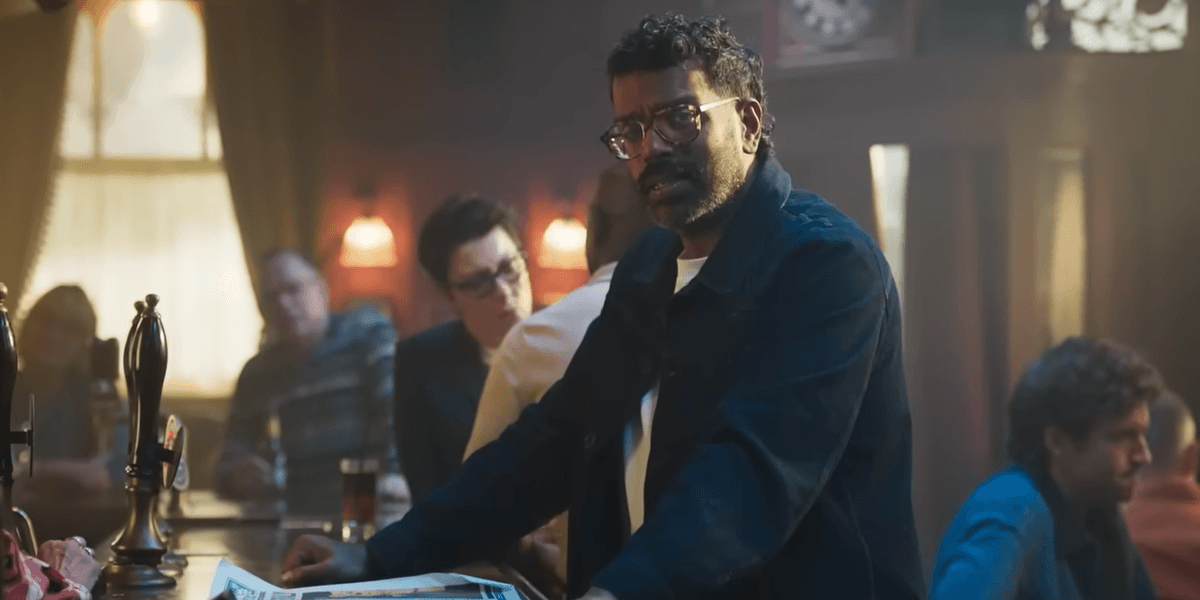
Produced by BBC Creative, the ad shows off 90 familiar faces, including stars Claudia Winkleman, Graham Norton and Clare Balding - and led by comedian Romesh Ranganathan.
The advert sets out the values and virtures of the broadcast and heaps praise onto its "thorough" news verification process.
The film also features iconic BBC filming locations such as the Queen Vic pub from EastEnders, as well as fan-favourite TV characters such as David Jason as Del Trotter and the Daleks from Doctor Who.
Greg James, the Radio 1 breakfast host - and the second-highest paid at the broadcaster with a hefty £445,000 salary - also features in the ad.
The latest campaign for the BBC shows Mr Ranganathan in the Queen Vic pub reading a newspaper donning the headline: "Is the BBC really worth it?"
He says: "It's a good question... You have got to ask – what has the BBC ever done for me?
"If you’re a fan of Ian Beale, or if The Traitors has any appeal, who cares if they’ve raised two-and-a-half billion for charity, what has the BBC ever done for me?"
The star then attributes the BBC for "introducing the nation to Adele" as well as a series of national treasures, including Dame Mary Berry.
The latest advert for the national broadcaster took inspiration from one of its previous ads back in 1986 which proclaimed: "There's a BBC for each of us. Funded by all of us."
The decision to pause its coverage of the World Cup final between Spain and Argentina has come just a few days after the number of Britons paying the fee was revealed to have fallen.
LATEST FROM THE BBC:
The short film appeared to take aim at Britons who refuse to pay the fee - with Mr Ranganathan asking while passing Pudsey Bear: "Who cares if they've raised £2.5billion for charity? What has the BBC done for me?"
Last week, the BBC suffered a critical blow as hundreds of thousands more households were revealed to have stopped paying the TV licence fee over the past year.
The latest figures indicate the broadcaster has recorded its biggest annual drop in licence fee payers since the pandemic.
The BBC's annual report, published on Tuesday, showed that 23.3 million households held a valid TV licence at the end of the 2025/26 financial year, the lowest total since 1999.
The number of licence holders fell by almost 540,000 over the year, marking the steepest annual decline since the pandemic, when 738,000 households stopped paying the fee.
Since the start of the decade, the number of households paying the licence fee has dropped by more than 2.5 million, falling from 25.9 million.
At the same time, the number of households declaring they do not need a TV licence increased by 62,000 to 3.7 million.
The decline comes after a turbulent year for the broadcaster, which has been burdened with a series of high-profile controversies.
The BBC's director general said the broadcaster must prepare itself to be "open to all options" while ministers consider a review of the state-funded body's funding model.
In the past, Matt Brittin branded the current model as a "busted flush" and declared that it was "no longer fit for purpose".
A BBC spokesman said: "For more than 100 years the BBC has helped shaped who we are as a country and how the world sees us.
"It is a priceless asset for the UK which has never been more needed and this film showcases the breadth of programmes, services and value the BBC delivers, helping audiences across the UK understand its role and impact as we make the case for its future."