Britons who defend women's rights or speak out against grooming gangs could be at risk
Anti-transgender views have been labelled "misinformation" in a Government-commissioned report.
The 136-page document, produced by academics for the Office for Science, outlines how ministers can use pyschology to fight so-called "false" narratives.
It even recommends these techniques be applied in schools and public messaging.
Published in May, the research identifies 11 categories of "misleading information" circulating in Britain, drawing on data from EU-funded fact-checkers.
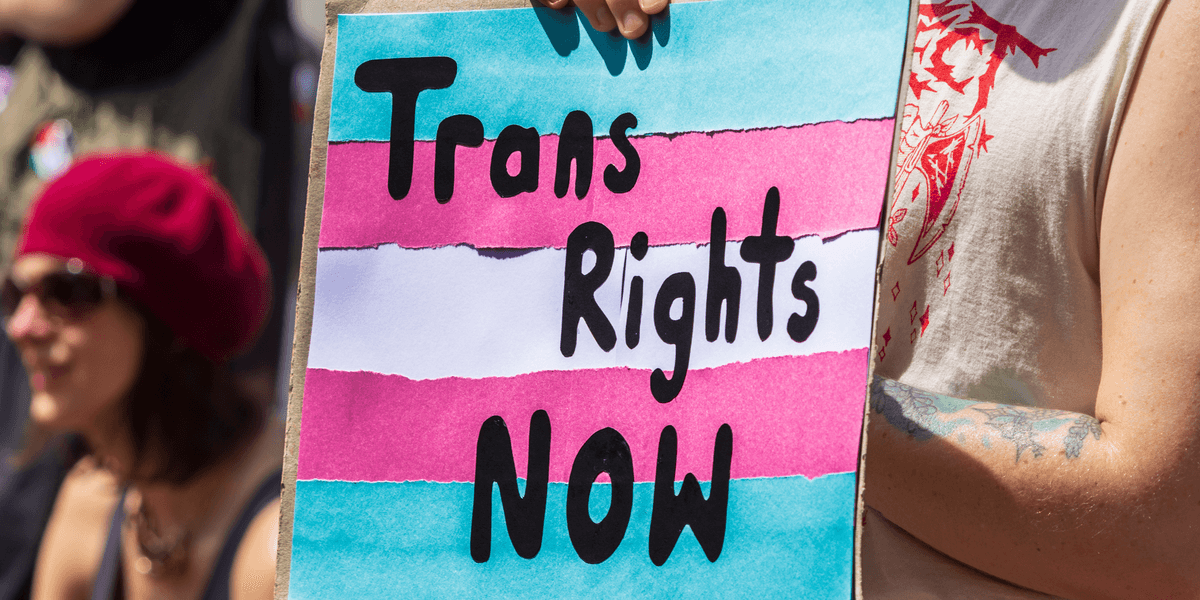
One of those is "anti-LGBTQ+ narratives, 'gender ideology' claims targeting schools and public institutions, Pride event misrepresentation and transgender athlete controversies".
Among the examples is coverage of Olympic boxer Imane Khelif, with claims about the athlete's biological sex listed as potential "racist or Islamophobic misinformation."
Khelif was disqualified from the 2023 World Boxing Championships by the International Boxing Association (IBA) for allegedly failing gender eligibility tests.
"I'm not transgender. I'm a woman," the athlete later told CNN - though Donald Trump has referred to Khelif as a "male boxer"
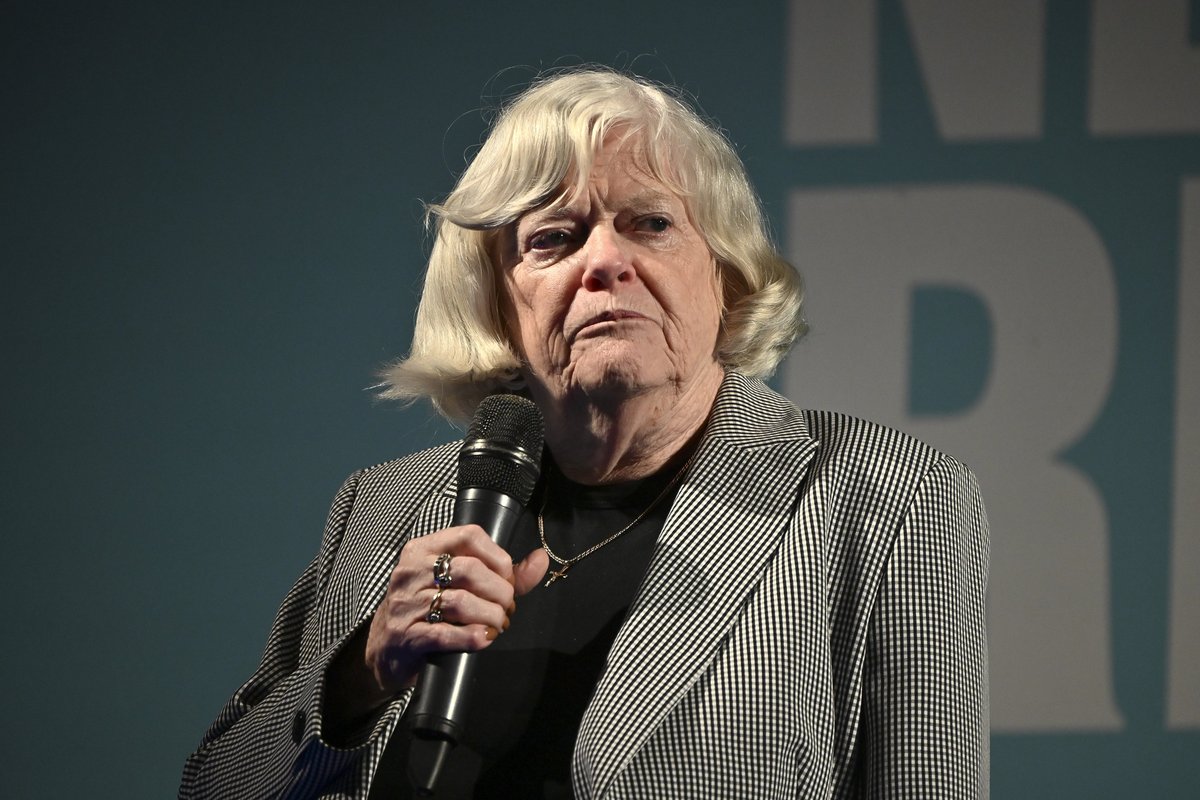
The Shadow Chancellor of the Duchy of Lancaster, Alex Burghart, has now raised fears of "Orwellian thought police".
"While Labour claim to be combating misinformation, they are in fact preparing to usher in an Orwellian thought police with the power to censor common-sense values and opinions held by millions of people," he said.
"It's little surprise that a Government so wedded to cover-up and concealment should seek to suppress dissent.
FREE SPEECH FEARS - READ MORE:
Mr Burghart warned the proposals could restrict speech from campaigners defending biological women's rights or speaking about grooming gangs, and has called on Andy Burnham to reject the report.
The report advocates for "prebunking" as a primary defence against misleading claims taking root in society.
Central to this approach is "psychological inoculation," which involves exposing people to weakened versions of false claims to build "resistance" against future "manipulation".
Academics beind the report also urge ministers to establish a massive database of "false narratives", updated every month, so so-called misinformation can be tracked as it spreads across Britain.
Through this, they can prioritise tackling the "harms" caused by certain claims, rather than focusing on the "intent" behind them.
The Government has tried to distance itself from the report, insisting it "is an independent review and does not represent Government policy."
"It is, and always will be, an absolute priority for the Government to protect our democratic processes, including freedom of expression," a spokesman said.